277 Fairfield Rd Ste 310- Fairfield, NJ 07004
Logo for Inspired Funding - Commercial Truck Financing
277 Fairfield Rd Ste
310- Fairfield, NJ 07004

Archives January 2025

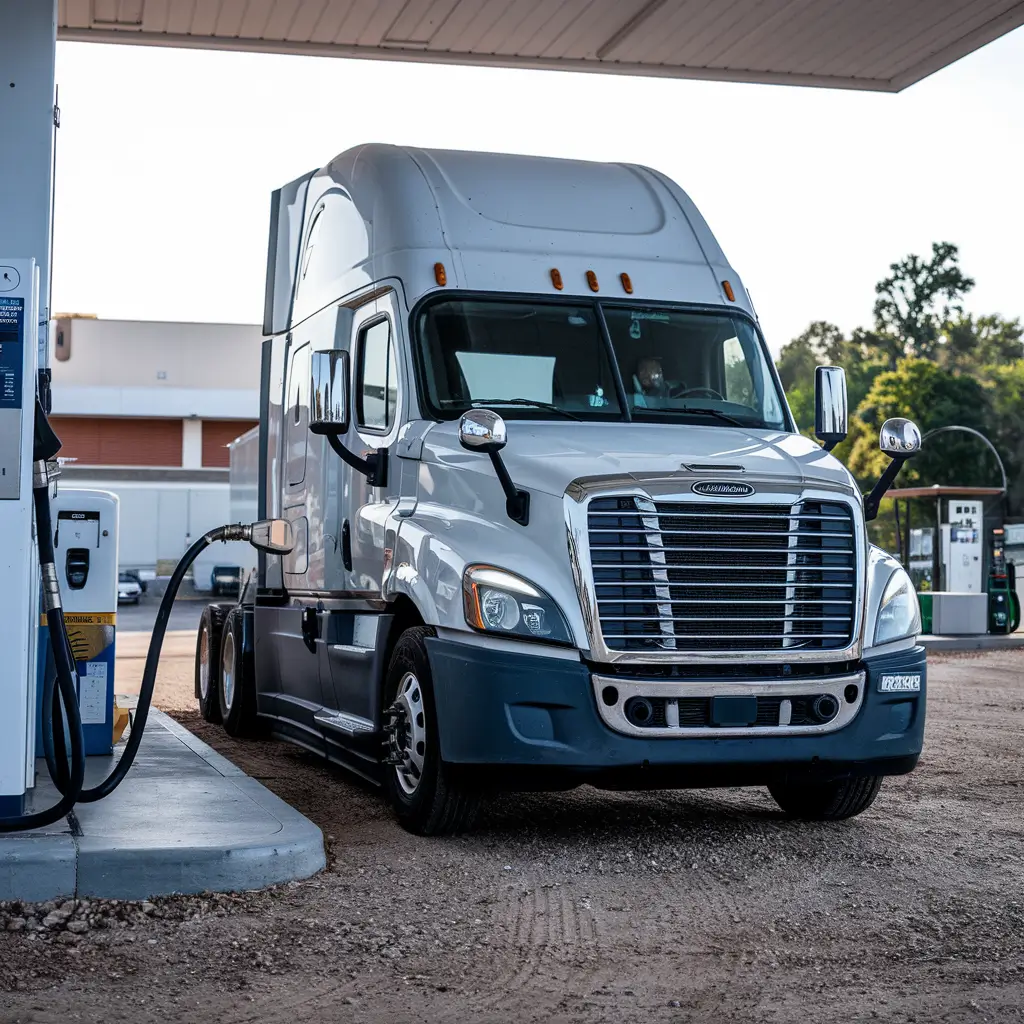
image-of-a-semi-truck-filling-up-at-a-gas-station

11 TIPS ON HOW TO IMPROVE FUEL EFFICIENCY IN YOUR SEMI-TRUCK

Improving fuel efficiency in semi-trucks has become more and more important today. According to the U.S. Environmental Protection Agency, the Greenhouse gas emissions from the transportation industry accounts for about 28% of the U.S’ total greenhouse emissions. Therefore, increased fuel consumption is not safe for the economy. 

High fuel consumption also means spending more on fuel. For instance, on average, semi-trucks in the U.S. consume 36.5 billion gallons of diesel annually. This amount can be significantly reduced by following some selected tips that we have outlined in this article. By following this guide, you can begin to see more changes in how much your semi-truck consumes fuel.

PRO TIPS TO IMPROVE FUEL EFFICIENCY IN YOUR SEMI-TRUCK

AVOID IDLING YOUR TRUCK

There are many reasons why idling your truck might sound like a better option —- to grab a quick meal, maintain temperature during winter, or just to avoid restarting after a quick errand. Idling your vehicle is one of the easiest ways to burn off fuel. 

According to research, your semi-truck burns 0.8 gallons of fuel for every hour it sits idle. When you calculate how much fuel it burns over a period of time, you would realize how much fuel and money you waste while your truck sits idle. So don’t keep your truck idle for too long to improve fuel economy.

KEEP UP WITH TRUCK MAINTENANCE

Lack of regular truck maintenance can lead to increased fuel consumption. Ensure that certain parts of your truck are subject to frequent check-ups by you or a professional. For example, unclogged air filters and improperly inflated tires can greatly impact fuel consumption. Similarly, changing oils regularly can help your truck run with lesser energy. 

Semi-truck maintenance also covers managing speed, and reducing truckload. When you make efforts to handle your semi-truck with great care and keep up with regular maintenance, you’ll be shocked at how much fuel you’ll save.

DON’T OVERFILL YOUR TANK

Overfilling your fuel tank with more than what’s necessary has a couple of disadvantages. An overfilled tank can lead to tank expansion when the fuel is heated. Also, overflow leads to fuel wastage, which defeats the purpose of maximizing fuel efficiency. Pro tip? Don’t fill your tank with more than what it can take.

AVOID EXCESSIVE BRAKING

Low fuel efficiency can be linked to excessive and sudden brakes. Here’s why: every time you use the brake, your truck consumes more fuel to get back on. So every time you hit the brakes, you expend more fuel. While making some stops at intervals is necessary, consider exploring other techniques that would require less use of brakes.

MANAGE SPEED

Trucks have a speed limit of 65 mph. While it can be tempting to go higher than that on a free road, we recommend you don’t. Overspeeding and inconsistent speed can result in higher fuel consumption. On the other hand, if you drive steadily and regulate your speed, you can cut down on fuel usage. So regulate speed and drive within the speed limit, your semi-truck will thank you.

OPTIMIZE TRUCKS AERODYNAMICS 

You can cut down on fuel usage by simply improving your truck’s aerodynamics. This includes some modifications to reduce aerodynamic drag. Modifications can consist of removing accessories such as top bars, air horns, bull bars, and additional light. Other modifications done by an expert can consist of adding wheel covers, fuel tank fairings, side skirts,  trailer tails, and cab extenders.

INFLATE YOUR TIRES PROPERLY

Tires play a huge part in managing fuel economy. When your truck is incorrectly inflated,  your engine will require more energy to keep your tire in motion, thus resulting in additional fuel expenditure. To put in context 1 psi drop in tire pressure can reduce gas mileage by 0.2%. A well inflated tire on the other hand can help you save up fuel. 

USE CRUISE CONTROL

Cruise control helps you drive at a consistent speed that can make a significant difference on fuel saving. When navigating uneven roads and accelerations, employing the cruise control can provide up to 6% reduction in fuel consumption. Cruise control does not only help you regulate your speed, it can provide fuel efficiency. 

USE GPS TO FIND ALTERNATIVE ROUTES

Some routes tend to impact fuel consumption, and you should avoid them. Longer routes, roads with high traffic, poor conditions, or uneven terrains can make your truck burn more fuel. By exploring shorter routes and roads with better conditions, your truck can decrease fuel consumption. 

DRIVE WELL

Being intentional about driving smoothly can make a lot of changes to how your semi-truck consumes fuel. Practise gradual acceleration and deceleration, and maintain a steady speed to allow the engine to operate more efficiently. In a nutshell, how you drive can determine whether you burn or save more fuel. 

FINAL THOUGHTS

Improving fuel efficiency in semi-trucks is not only beneficial for reducing operational costs but also critical for minimizing environmental impact. By adopting the tips outlined in this guide, such as avoiding idling, maintaining your truck, managing speed, and driving intentionally, you can cut down on fuel consumption and expenses. Also small, but effective adjustments, like inflating tires properly or optimizing aerodynamics, can lead to substantial savings over time.

ABOUT INSPIRED FUNDING

If you’re looking for the best financing for your truck business, Inspired Funding is here for you. With tailored financing plans and a range of flexible options, we make it easy for you to get the truck you need and make paying for it a breeze.

Inspired Funding has been helping businesses finance various commercial vehicles, including semi-truckscargo vansdump trucks, and other essential heavy equipment to keep your business moving. We offer competitive interest rates and affordable down payments to fit your budget.

Worried about credit? No problem! We can help you navigate credit score challenges by providing financing solutions designed to get you on the road faster.

Ready to finance a bulldog or a dragon wagon? Give us a call today to get started!
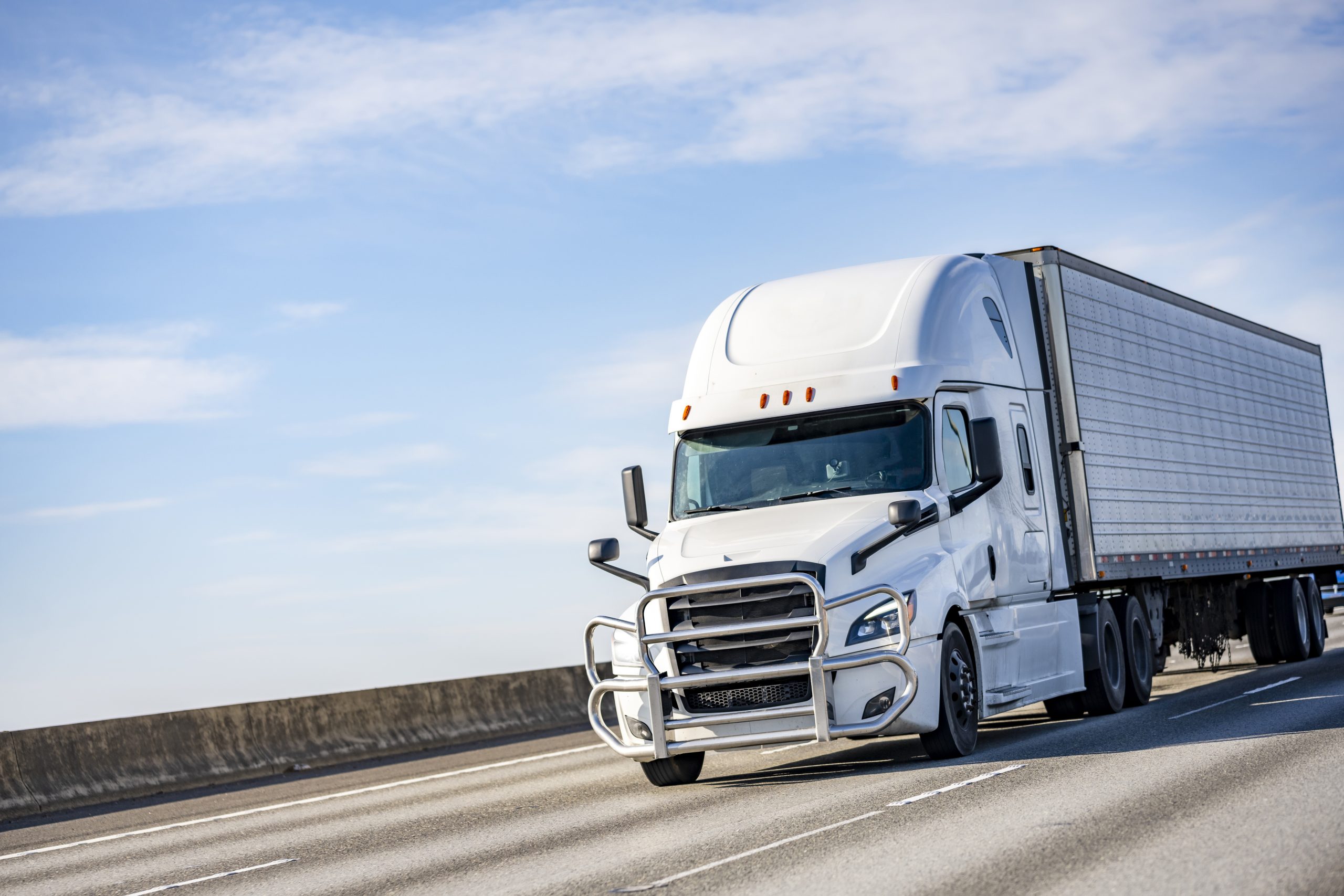

picture-of-a-commercial-truck-on -the-road

WHAT ARE THE DIFFERENT CLASSES OF COMMERCIAL VEHICLE?

Every industry today relies on commercial vehicles. Sectors like telecommunications, construction, food, and agriculture, to name a few, depend on these trucks to carry out daily operations. They aid in hauling, logistics, and transportation, making their operation efficient and fast.

These trucks are built differently to help accommodate these various needs. From dump trucks and tow trucks to semi-trucks, commercial vehicles come in different sizes and capabilities and are categorized into classes.

The Federal Highway Administration classifies all commercial vehicles into eight, ranging from light-duty, medium-duty, and heavy-duty. In this article, we break down these classifications, providing examples and models to give you a clear understanding of what each category entails.

WHAT IS A COMMERCIAL VEHICLE?

The Federal Motor Carrier Safety Administration defines commercial vehicles as self-propelled vehicles that operate on the highway, and are used to transport people and goods across states. Ideally, commercial trucks have a rating gross vehicle weight rating and are categorized based on various criteria to ensure appropriate usage, compliance with regulations, and safety standards. 

WHAT IS GROSS VEHICLE WEIGHT RATING (GVWR)?

Trucks in the United States are categorized by their Gross Vehicle Weight Rating (GVWR), often found inside the driver’s side door. The GVWR is the metric used to categorize vehicles based on their maximum loaded weight. 

In simple terms, it determines the total weight a truck can operate at. It is specified by calculating the vehicle’s weight at its fullest capacity, including fuel, cargo, complete passengers, and drivers.

CLASSIFICATION OF COMMERCIAL VEHICLES BY WEIGHT

Commercial vehicles are classified by weight, ranging from class 1-8. These are then sub-divided into three: light, medium, and heavy-duty. In this section, we will consider each category and their sub-divisions.

LIGHT DUTY VEHICLES

Light duty vehicles fall within the GVWR of 0-14,000 pounds. These are small trucks used for daily operations. They include vans and pickup trucks used for transporting light goods. They are broken down into three and expatiated below:

CLASS ONE (GVWR: 0 to 6,000 LBS)

These include small pickup trucks, SUVs, and minivans weighing up to 6,000 pounds (2,722kg). Class one trucks are more often utilized for personal uses to transport lightweight items, or for small-scale deliveries. Examples include the Ford Ranger and the Chevrolet Colorado.

CLASS TWO (GVWR: 6,001 to 10,000 LBS)

Class two vehicles include standard full-size and heavy-duty pickup trucks, larger SUVs, and some cargo vans. They are subdivided into 2A (6,001 – 8,500 pounds) and 2B (8,501 – 10,000). These trucks are used for moving heavier items and are used by different industries like construction and emergency services for ambulances. Popular examples include Ford F-150, and GMC Sierra 1500.

CLASS THREE (GVWR: 10,001 to 14,000 LBS.)

Vehicles like larger pickups, cargo vans, utility trucks, small box trucks, and school and city buses fall here. These trucks are often utilized by delivery services moving companies, construction, and maintenance. The Ford-350, RAM 250,0, and GMC Savana belong to this category. 

MEDIUM-DUTY VEHICLES

Medium-duty vehicles comprise classes three to six. They are built for more tedious tasks compared to the light-duty category. 

CLASS FOUR (GVWR: 14,001 – 16,000 LBS)

Class four trucks  have a GVWR within 14,001 to 16,000 lbs. They are used by various industries for transporting items like furniture, appliances and construction equipment. Examples include flatbed trucks, delivery trucks, and larger box trucks. The Ford-450, Chevrolet Silverado 4500HD, and Isuzu NPR-HD are popular models in this class. 

CLASS FIVE (GVWR:16,001 – 19,500 LBS)

In this category, you will find small-sized dump trucks, some school buses, large delivery trucks, and bucket trucks. They are popular in industries like waste management, and construction, among others. Examples of models in this include the Ford F-550, Chevrolet Silverado 5500HD, Freightliner M2 106, and the RAM 5500. 

CLASS SIX (GVWR: 19,501 – 26,000)

Vehicles in this division are built for transporting various items like food, beverages and some heavy construction or industry equipment. They include single-axle trucks, some school buses, and beverage trucks. Ford F-650, International MV607 and Peterbilt 220 fall into this category. 

HEAVY-DUTY VEHICLES

Heavy-duty vehicles are designed to handle heavy loads and perform tougher tasks. They are essential machinery commonly found in the logistics and transportation industry and comprise of Class 7 and 8 vehicles. Their GVWR ranges from 26,001 to above 33,000 pounds. 

CLASS SEVEN (GVWR: 26,001 and 33,000 LBS.)

Refuse trucks, cement mixers, and city transit buses are class seven vehicles. Not only can they handle some tough jobs, they are also rugged and can be relied on in situations that require high maneuverability and versatility. 

Examples of models you will find in this category include the Peterbilt 348, Mack Granite MHD, and the International HX. 

CLASS EIGHT (GVWR over 33,000 LBS.)

If you think class seven vehicles are tough wait till you discover the heaviest trucks in the eighth category. These trucks  are typically used for heavy hauling, mining, and large-scale construction projects. Think of cement trucks, dump trucks, and tractor-trailers. Examples include the Peterbilt 579,  Freightliner Cascadia, and the Kenworth T680. 

CONCLUSION

If you work in the trucking industry or aspiring to, then understanding the different classes of commercial vehicles is vital. It helps you navigate selecting the appropriate truck for the job. For example, while light-duty trucks are more suitable for local deliveries, they are not designed for long-haul freight and heavier cargo. Heavy-duty trucks are also not ideal if you’re transporting lighter loads as they consume more fuel and cost high to maintain. 

Ultimately, understanding vehicle classifications aids in budget considerations. The heavier the truck, the higher the expenses. By properly aligning your class of vehicle with your business needs, you can conveniently plan for financing and save costs. The good thing is that Inspired Funding helps truckers to get the best commercial truck financing. With just one contact, you can get the financial support you need to purchase the right truck for your business.

ABOUT INSPIRED FUNDING

If you’re looking for the best financing for your truck business, Inspired Funding is here for you. With tailored financing plans and a range of flexible options, we make it easy for you to get the truck you need and make paying for it a breeze.

Inspired Funding has been helping businesses finance various commercial vehicles, including semi-truckscargo vansdump trucks, and other essential heavy equipment to keep your business moving. We offer competitive interest rates and affordable down payments to fit your budget.

Worried about credit? No problem! We can help you navigate credit score challenges by providing financing solutions designed to get you on the road faster.

Ready to finance a bulldog or a dragon wagon? Give us a call today to get started!
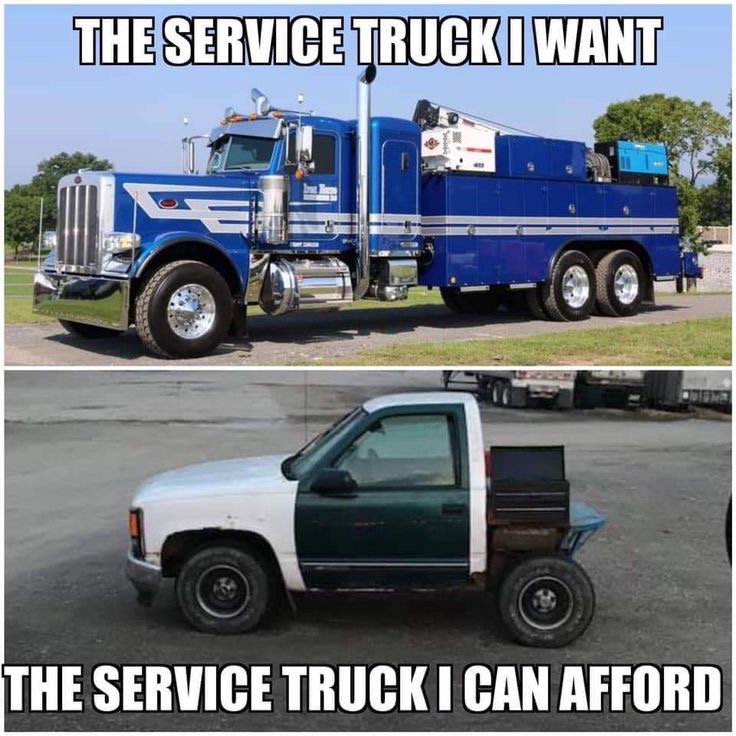

a-picture-of-a-trucker-meme-inspired-funding

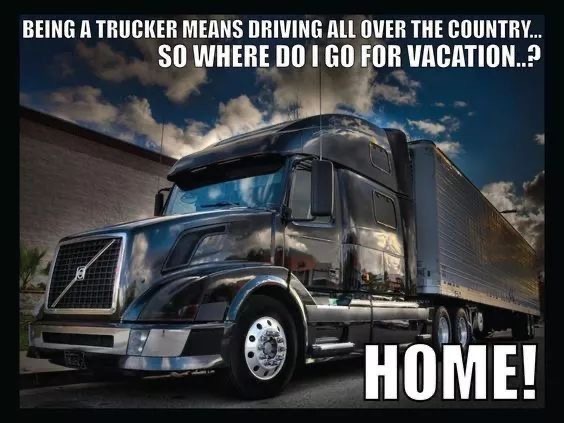
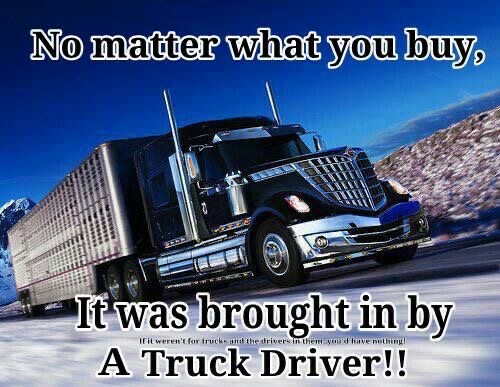
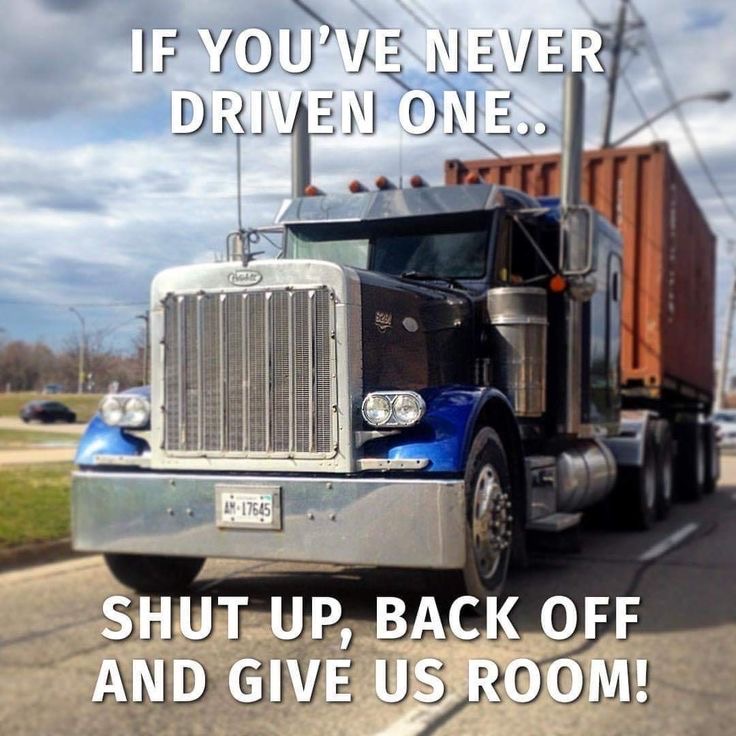
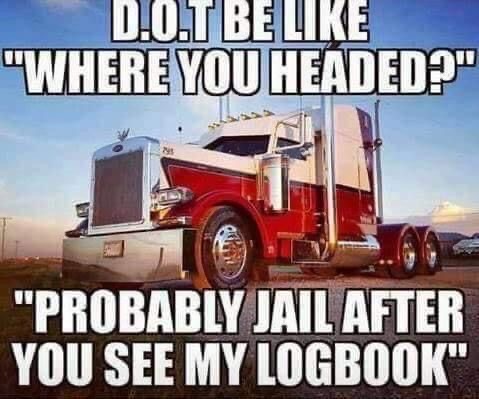
50 RELATABLE TRUCKER MEMES

Truckers have one of the toughest jobs in the world, but they never lose their sense of humor. Here are some of the best trucker memes on the internet that capture the unique challenges and quirks of life on the road.

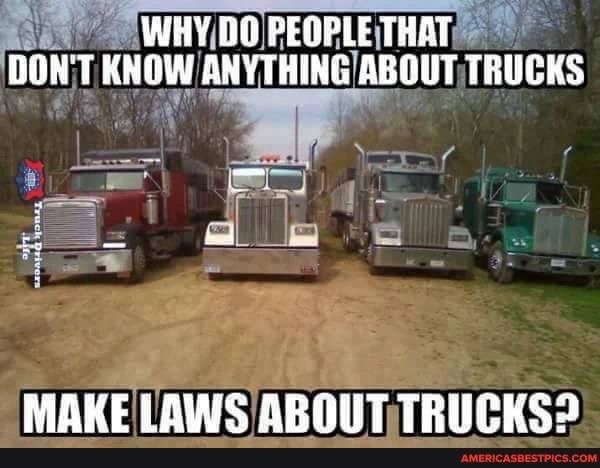
1. Right?! Every time someone drafts a new regulation, I can’t help but wonder if they’ve ever even seen a truck up close.

2. Been there. You’re just driving along, thinking it’s a puddle, and the next thing you know, you’re starring in ‘Truckers Gone Swimming.’

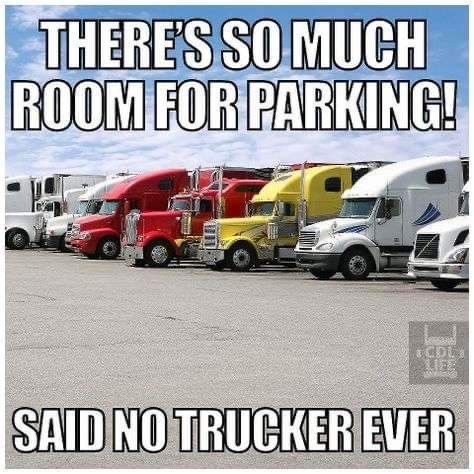
3. The universal truck stop struggle. Finding parking always feels like winning the lottery

4. Oh sure, let me just teleport through the snowstorm, dodge the road closures, and deliver your load with a smile. 

5. It’s the unspoken rule of the road. Doesn’t matter how long your day’s been or how heavy your load is, if a kid gives you the arm pump, you’re bound to honk.

6. Little did they know I’d be getting paid to do just that, only from the cab of an 18-wheeler. Best office view in the world, if you ask me. 

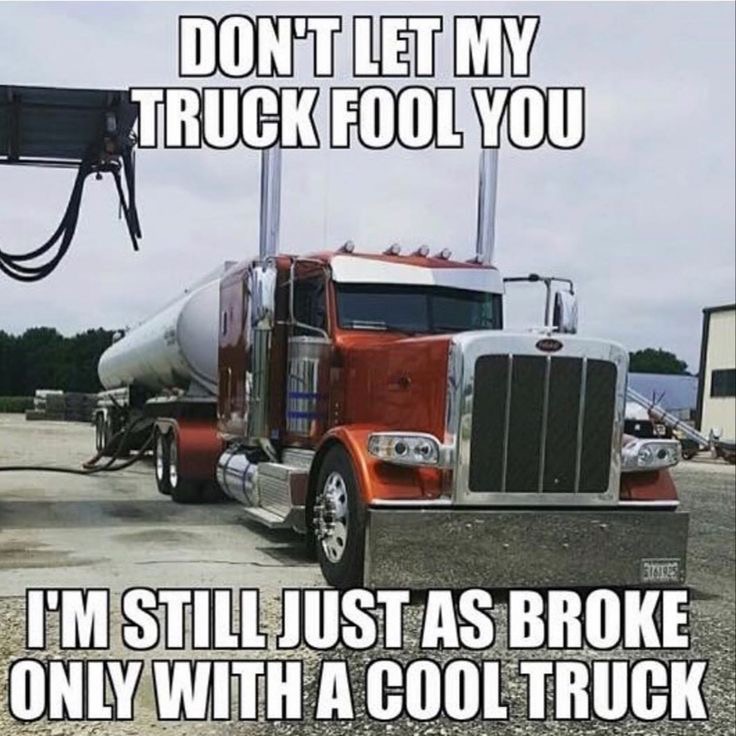
7. Ain’t that the truth? Sure, the rig looks like a million bucks, but my wallet is crying in diesel fuel and maintenance costs. 

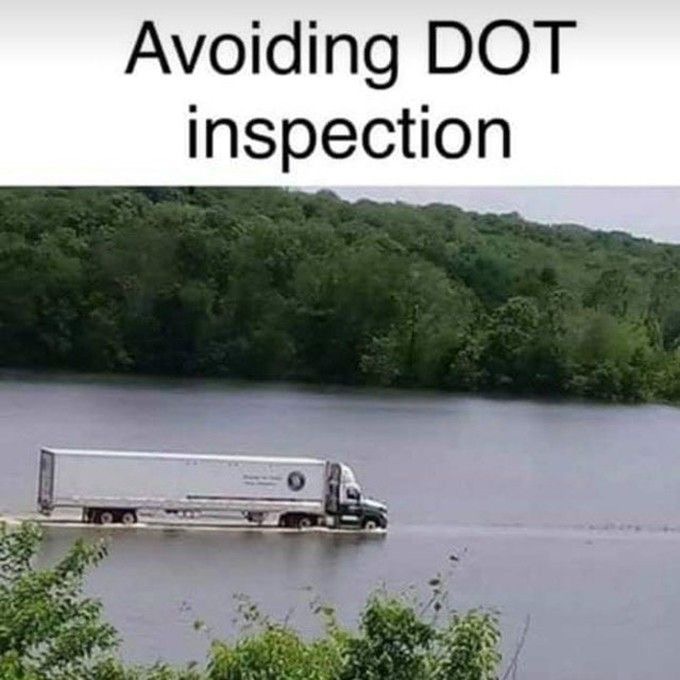
8. If only we could go full invisible mode to skip those weigh stations. DOT inspectors can’t inspect you if you’re cruising on water… right?

9. Sometimes the only defense is to play dead. ‘No officer, this truck definitely isn’t operational anymore. Guess you can’t inspect it!’”

10. That’s called thinking outside the box—or in this case, above it. Problem solved, honey!

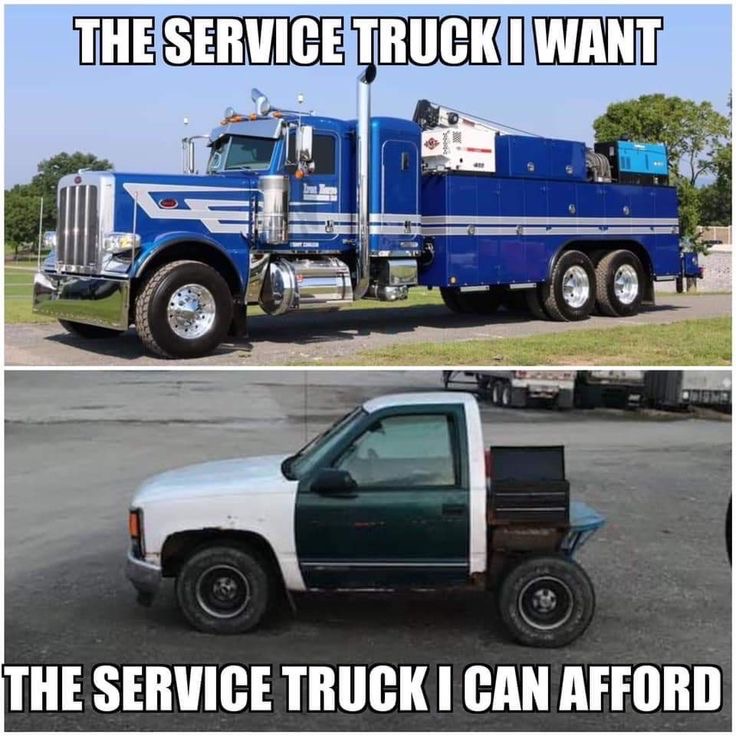
11. Dream big, spend small. One day, I’ll have that heavy-duty beast… but for now, it’s duct tape and hope holding things together.

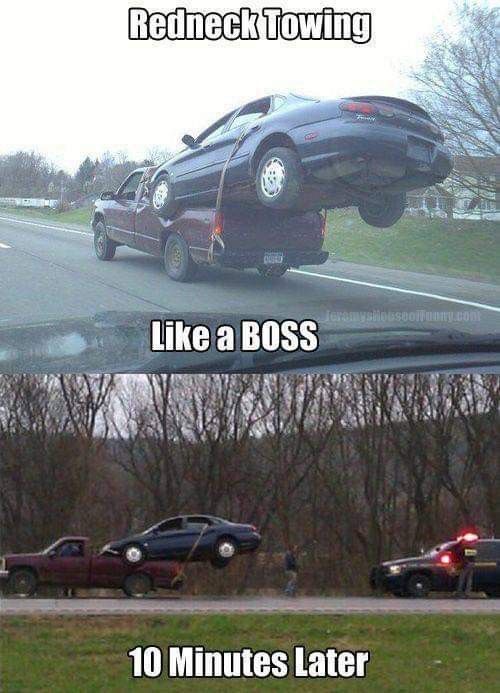
12, Step 1: Tow it like you own it. Step 2: Explain to the officer why your truck broke every road regulation in the book.

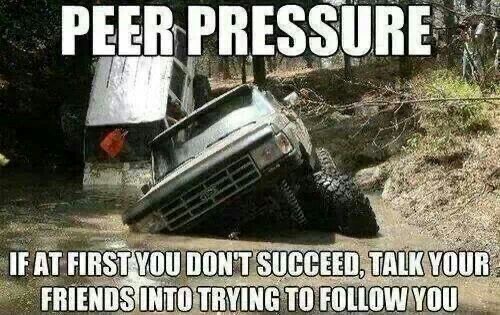
13. Nothing bonds truckers faster than poor decisions. You know it’s bad when you all end up on the same tow truck.

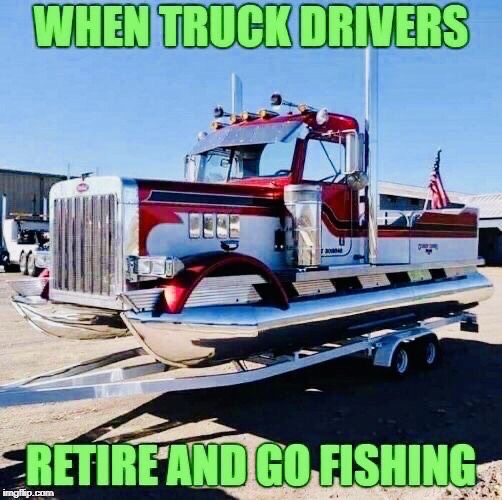
14. They say you can’t take your truck with you, but why not turn it into a fishing boat? Gotta keep the rig spirit alive, even on the water!

15. Nothing makes you feel more ridiculous than hopping into your tiny sedan after a week of hauling 80,000 pounds. Where’s my air horn?!

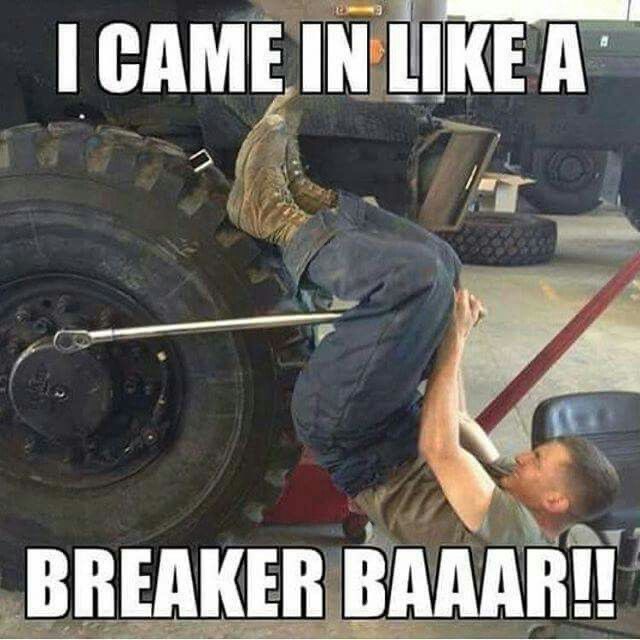
16. Changing tires is a full-contact sport. If you haven’t sweated through your shirt and cursed at least twice, you’re not doing it right.

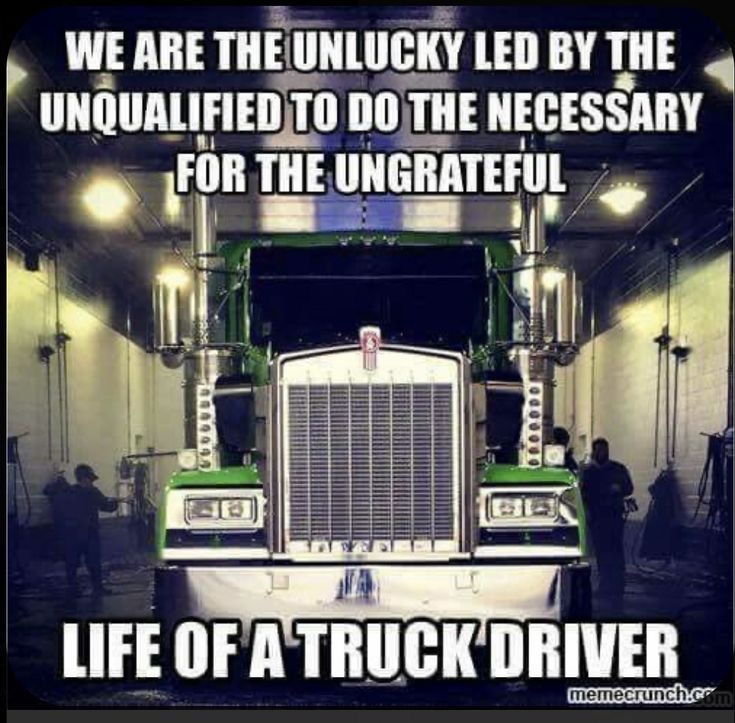
17. Trucking: where the gratitude is low, the workload is high, and you keep doing it because someone’s gotta keep the country running.

18. At least out here, the scenery changes and the only annoying co-worker is the dispatcher calling for updates!

19. There’s nothing like 60 minutes of traffic, bad weather, and dispatch calls to age a driver by a decade. Forget coffee, I need a miracle.

20. Not sure if I’d recommend trying this, but it’s good for a laugh. Checkmate, officer!

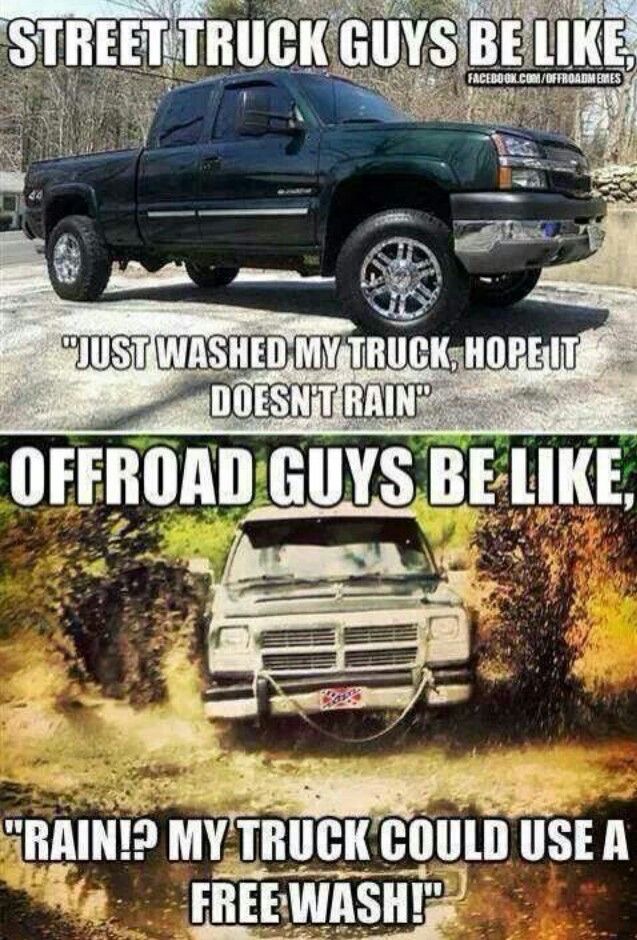
21. Different strokes for different folks. But we all know, the dirtier the truck, the better the story.

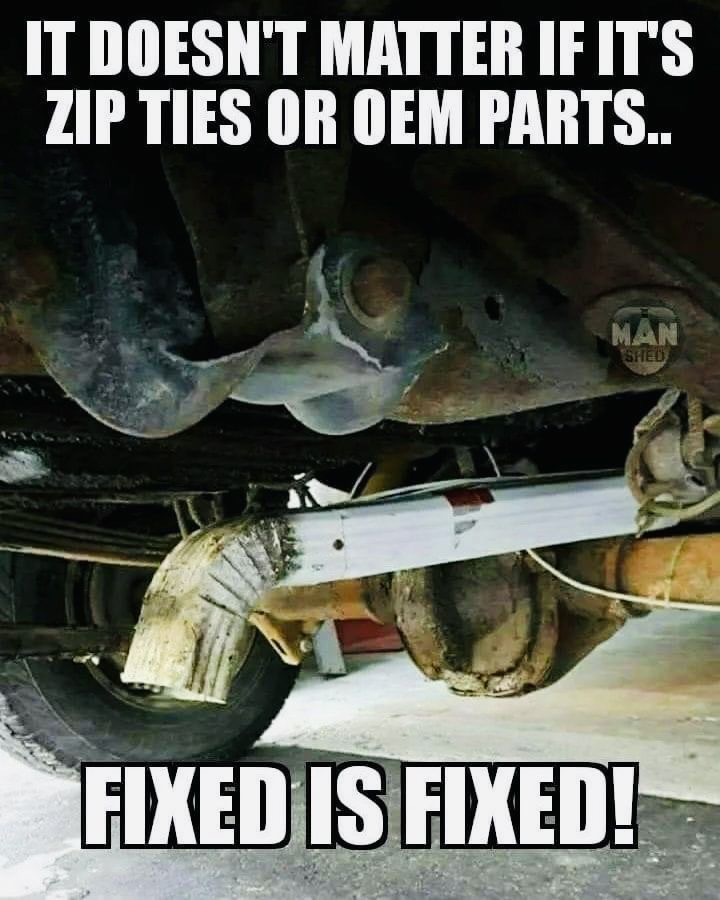
22. Function over form every time. If it holds together on the road, it’s good enough for me. Who needs fancy parts anyway?

23. Buddy, that tunnel is bigger than the side of a barn! Precision driving? Not his strong suit!

24. Desperate times call for creative measures! If only DOT inspectors graded on artistic talent—this guy would be rolling away with an A+ instead of a citation!

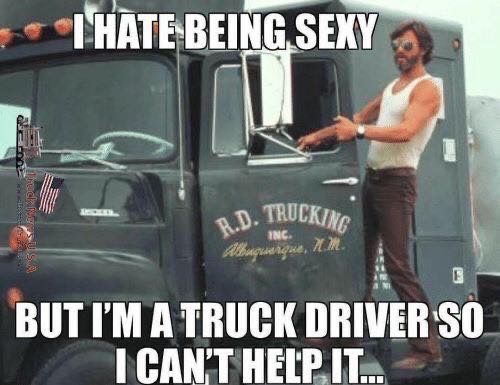
25. Listen, we don’t choose the trucker life; the trucker life chooses us—and apparently, it comes with a side of irresistible charm. 

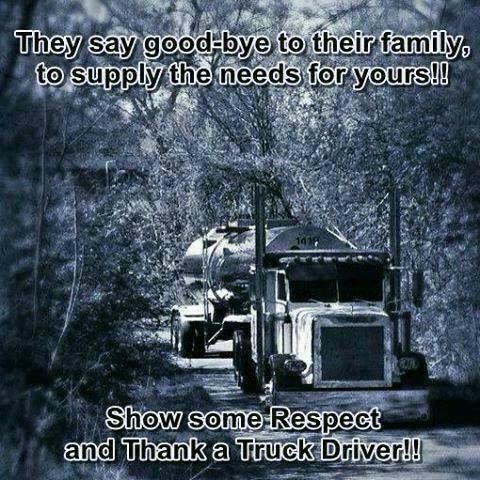
26. Behind every mile we drive is a sacrifice—missing birthdays, holidays, and family dinners. Truckers don’t just haul goods; they carry the backbone of the economy.

27. Look, I’m doing my job, and those reverse lights are my fair warning. If you still wanna test your luck back there, well… may the Lord be with you!

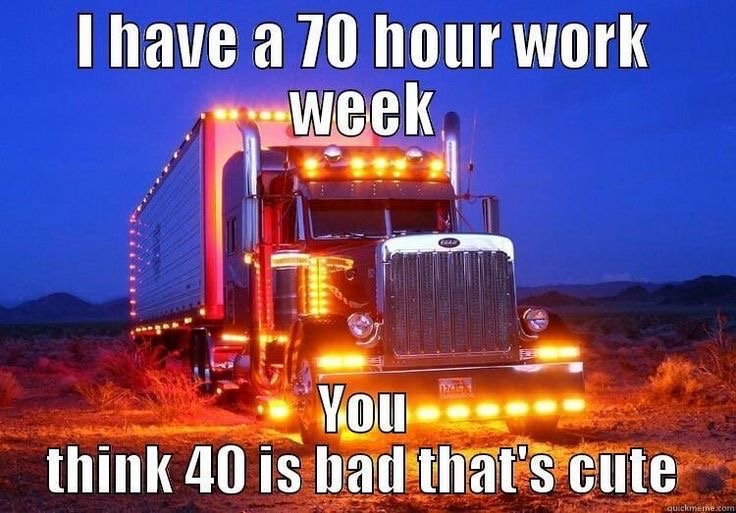
28. 40 hours? That’s what we call ‘part-time’ in the trucking world.

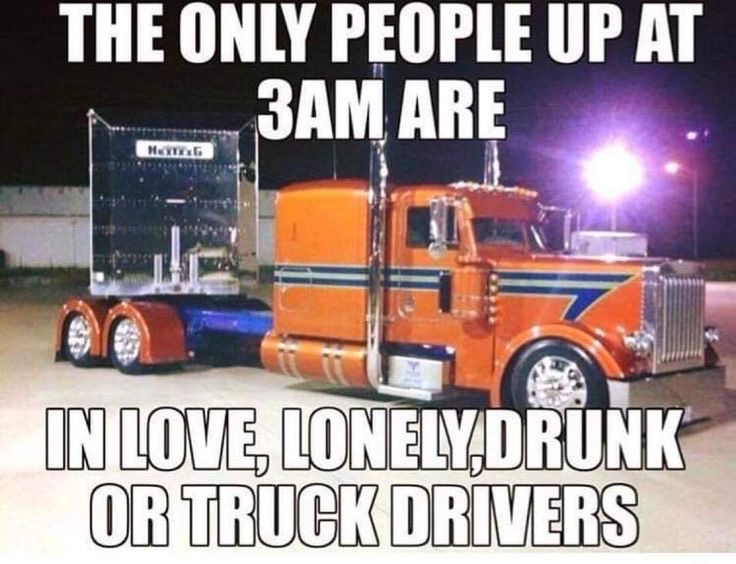
29. And if you’re a truck driver, you might just be all four at once.

30. Turns out, the dream wasn’t a corner office or a white picket fence—it was a cab full of coffee cups, a logbook, and the right to complain about everything from dispatch to weather. 

\

31. After weeks on the road, the ultimate getaway is your own couch, a fridge you don’t have to share, and the sweet sound of silence. 

32. From your morning coffee to that fancy gadget in your hand if it’s in your life, a trucker brought it there. 

33. Until you’ve wrangled 80,000 pounds through tight turns and chaotic traffic, keep your advice and your car far away..

34. Rules are great and all, but when you’re a truck driver and your eyes are on that sweet spot, you get creative. Who needs parking lines when you’ve got skills?

35. That moment when the DOT asks about your route, and you’re already mentally preparing for a lengthy chat about ‘creative’ logbook entries. Hope they like a good story!

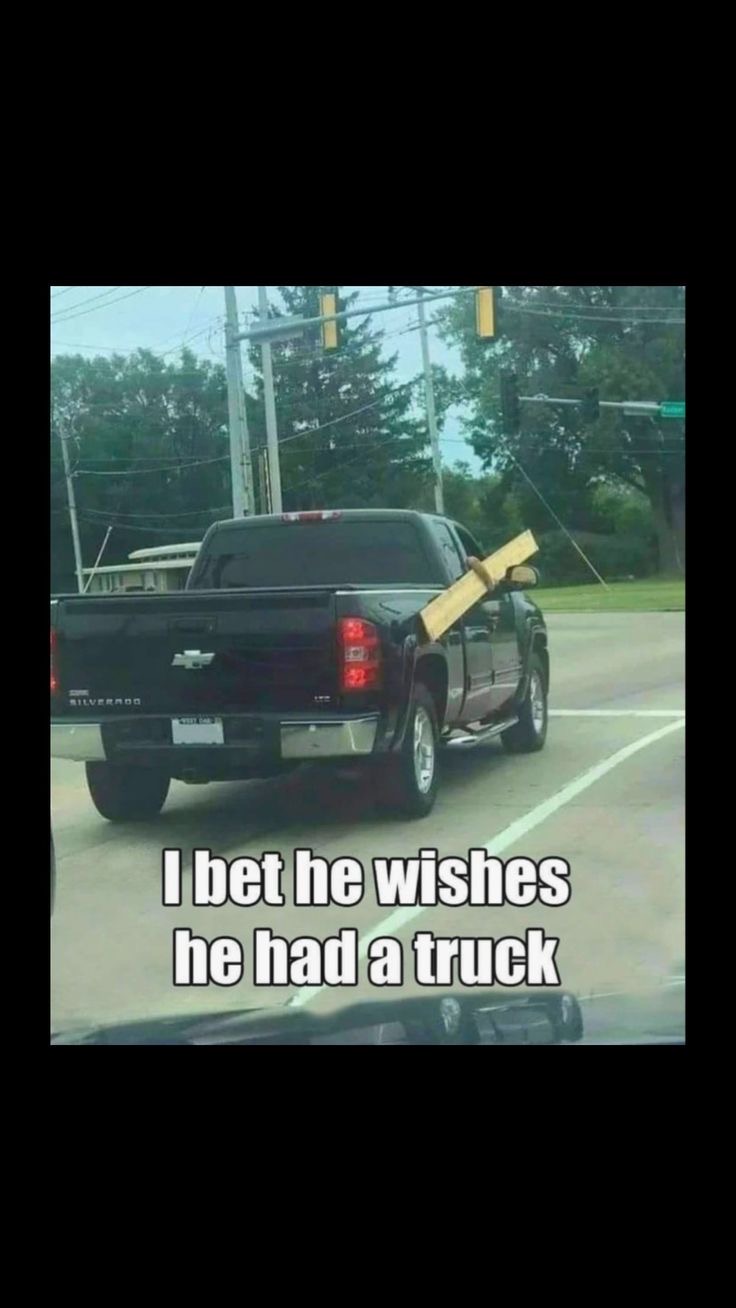
36. He’s out here playing the human forklift while that empty truck bed is just begging for a load. If only he had a clue

37. When the GPS shows ‘time of arrival,’ I see a challenge. Beat the clock? Oh, you bet I can. 

38. Truck drivers don’t rely on handouts or shortcuts. It’s all about the grind, the hustle, and the open road. 

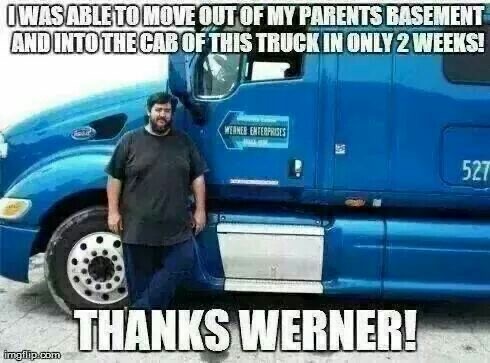
39. Who needs a house when you’ve got wheels and freedom? 

40. When the DOT inspector’s mission becomes ‘find something wrong, no matter what.’ It’s like they’re on a treasure hunt, and your truck is the prize. 

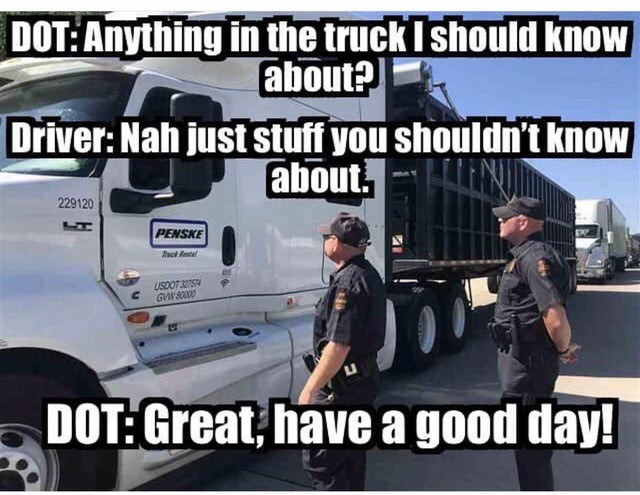
41. When the DOT asks if there’s anything they should know, and you hit them with the ‘just stuff you shouldn’t know about’ response. Guess they appreciate a little mystery on the road! 

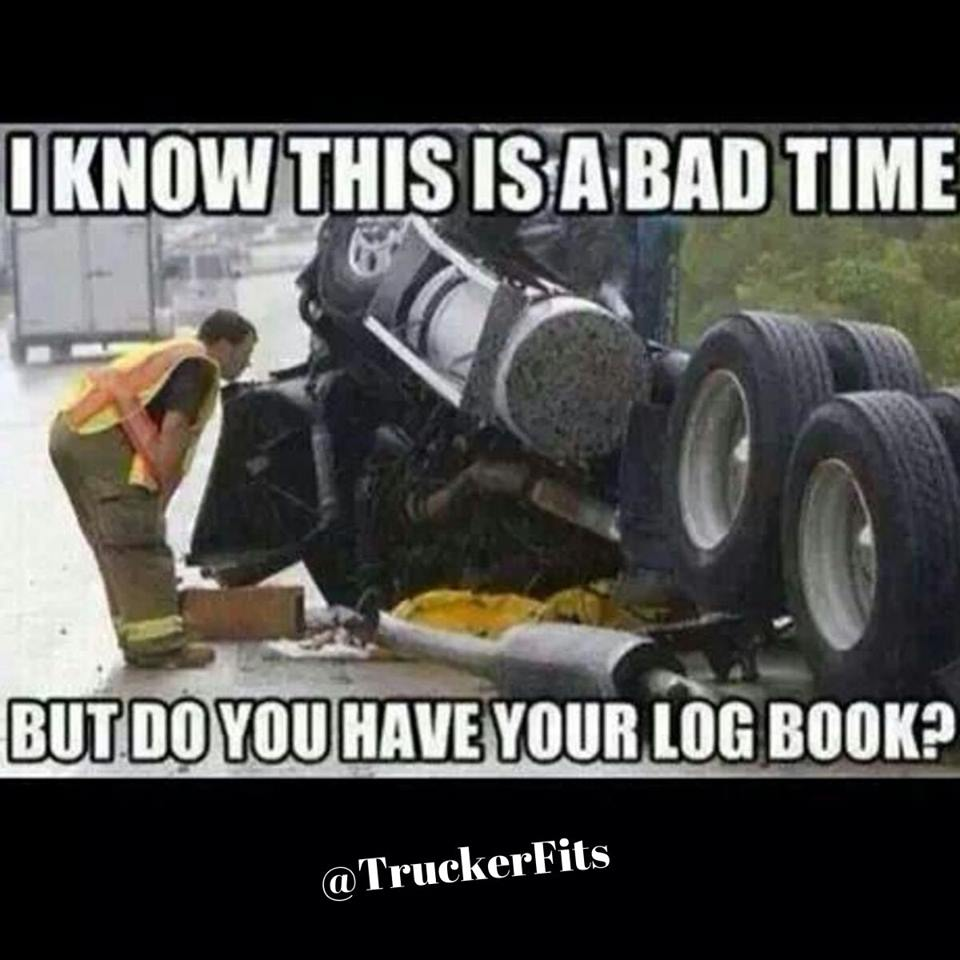
42. Only a true DOT inspector would ask for your logbook while you’re literally stuck in the middle of a disaster. Priorities, right?

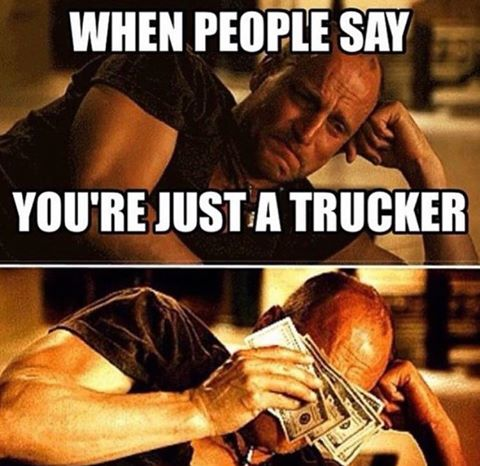
43. Being ‘just a trucker’ might not sound glamorous, but when you’re out here hustling, hauling, and making moves, that cash makes it all worthwhile.

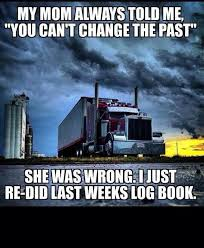
44. Ah, the magic of a trucker’s ‘do-over.’ Who says you can’t rewrite history?

45. Talk about irony! The truck’s got all the motivational quotes, but here it is, stuck under a bridge. Guess success really doesn’t have shortcuts.

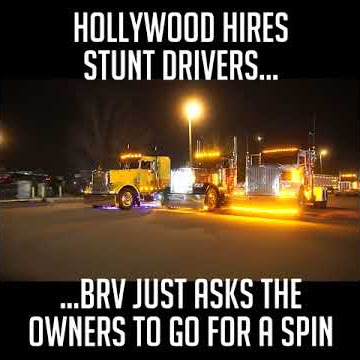
46. Hollywood’s got stunt drivers, but truckers? We’ve been pulling off stunts every time we squeeze through tight spots or make a last-second maneuver. Forget the movie magic—this is the real deal!

47. Not today, Satan. I’ve got traffic court to attend! Surviving a wreck like this is nothing short of divine intervention. Guess I’ll live to fight another day… and probably argue with the judge too.


48. Funny how a 70-hour reset feels like a nap, but an 11-hour shift feels like you’ve been awake for a week. The trucking life really flips the sleep schedule upside down!

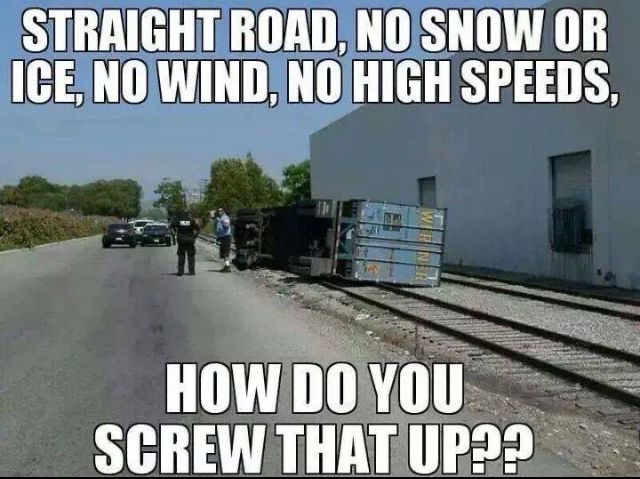
49.  Sometimes it’s not the conditions; it’s just… fate? Or maybe a distracted squirrel crossing the road. Either way, this one’s going down in the ‘you had one job’ trucker files.

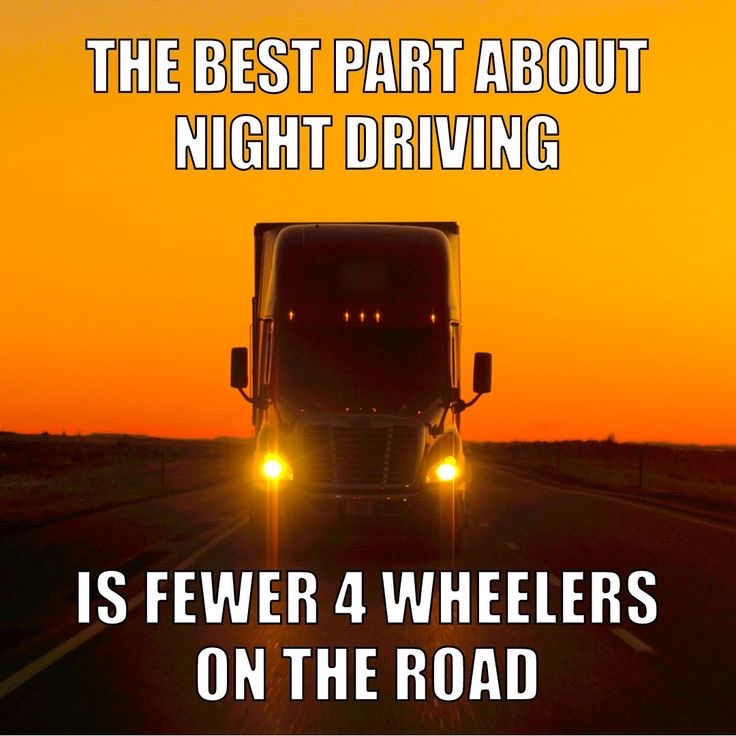
50. Finally, some peace and quiet on the highway! No surprise lane changes, no brake-checks—just me, the open road, and the hum of the engine. Night driving has its perks.

CONCLUSION

Enjoying these memes is a great reminder of the humor that comes with trucking life, but nothing beats having the right support to stay on the road. That’s where Inspired Funding comes in with flexible financing plans designed to help truckers, no matter their financial background or credit history. Get started today by giving us a call!

ABOUT INSPIRED FUNDING

Inspired Funding has helped hundreds of truck companies secure the vehicles they need to succeed. Whether you’re expanding your fleet, starting a new business, or navigating bad credit, we’re here to make financing simple and stress-free. 

We specialize in truck financing designed to get your business on the road to success. From box trucks and dump trucks to cargo vans, semi-trucks, and other vocational vehicles, our process is easy. Get guaranteed low payment on used trucks and no hard pulls on credit scores. 

With competitive interest rates, flexible down payments, and manageable repayment plans, you can focus on growing your business without the stress. Start your journey to funding today!


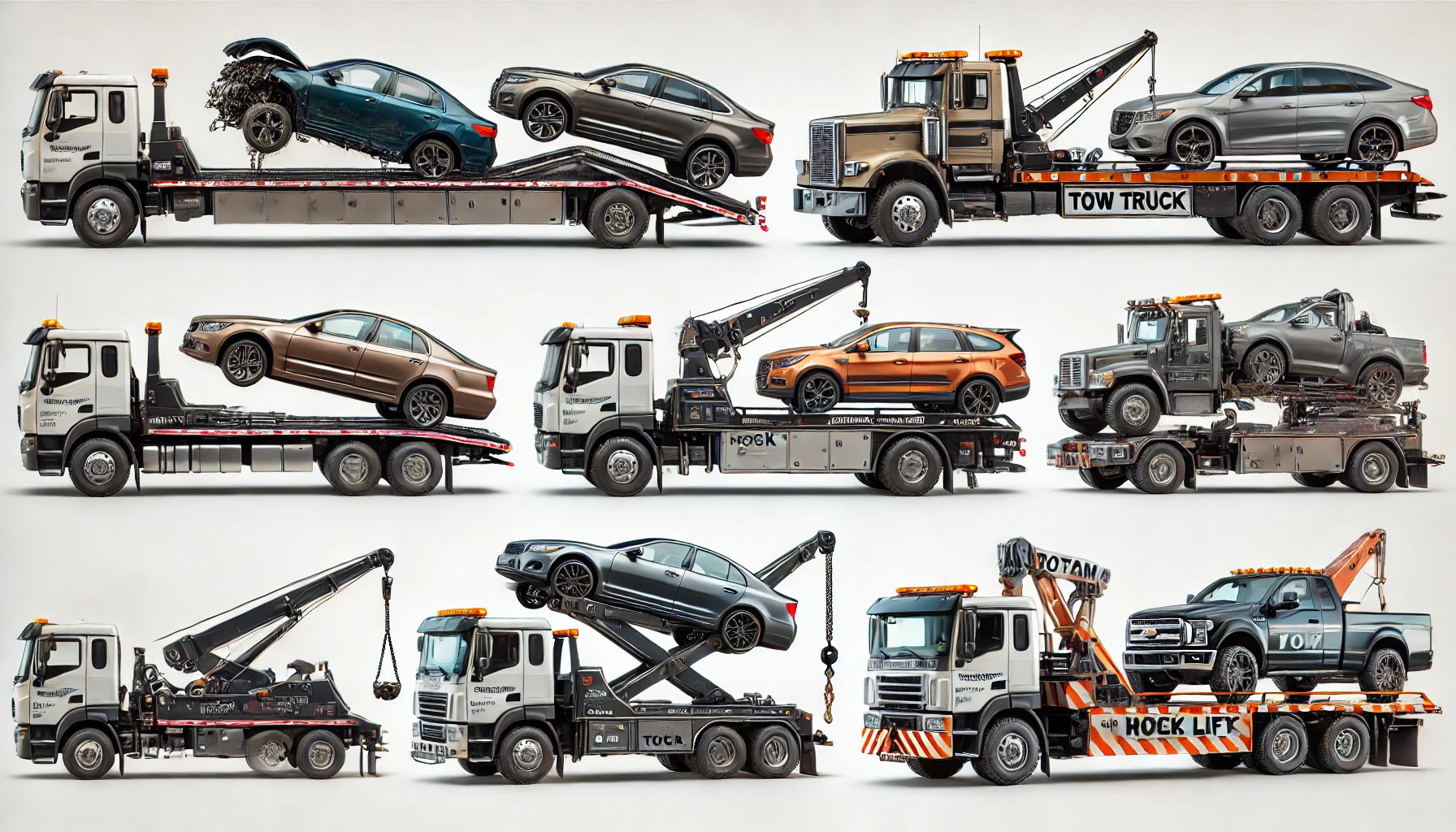
image-featuring-six-different-types-of-tow-trucks-all-placed-on-the-same-white-background.

6 TYPES OF TOW TRUCKS AND THEIR USES

Tow trucks come in various shapes, sizes, and strength levels. Understanding the different types is the first step in knowing the right one that suits your business needs. At their core, tow trucks are used to move vehicles from one location to another, making them a valuable asset in areas where vehicle recovery or transportation services are in high demand.

Without further ado, let’s unravel the various types of tow trucks there are and their functions to help you make the right choice. 

WHAT ARE TOW TRUCKS USED FOR?

Tow trucks are used for transporting vehicles such as improperly parked cars, disabled vehicles, or damaged cars. They are also useful during emergencies and accidents to recover vehicles that are stuck. The following are the different ways a tow truck can be used:

  • Vehicle recovery
  • Illegal parking
  • Vehicle transportation
  • Vehicle repossession
  • Impoundment
  • Emergency roadside assistance
  • Accident clearance

The kind of tow truck used largely depends on the type of situation and the size of the vehicle. 

TYPES OF TOW TRUCKS

While tow trucks are powerful equipment given that they possess the power to lift other vehicles, they are not all built the same way. They come in different sizes and capabilities, which makes identifying the right one to use very essential. Below are the different types you will find around:

FLATBED OR ROLLBACK TOW TRUCKS

Flatbed bed tow trucks are also called rollbacks. They are designed with a flat platform that can be hydraulically inclined to ground level. This feature allows for safely winching immobile and damaged vehicles into the bed. It can also be used by car dealers to transport new cars across states while guaranteeing a safe delivery of these vehicles.  

A major benefit of a flatbed is that it helps to reduce the risk of having further damage done to the towed vehicle and can be used for multiple purposes. However, flatbeds can come with certain limitations such as not being able to fit into tight spaces. 

HOOK AND CHAIN TOW TRUCK 

This is one of the oldest tow trucks you will see around today. This kind comes with hooks and chains that are wrapped around the vehicle to lift them into the truck. The primary purpose of a hook-and-chain tow truck is to lift damaged, wrecked, or junk vehicles and take them off the road. They can also come in handy in lifting vehicles stuck in a ditch or snow. However, they are not ideal for day-to-day use because of the potential damage they can cause during towing. 

If you are considering towing vehicles with significant damage, then a hook-and-chain truck is what you may be looking to buy. If not, you might want to explore the other options as this is not ideal for modern vehicles.

WHEEL LIFT TOW TRUCK

The wheel lift tow truck uses a metal yoke to hook either the front or rear wheels of a vehicle to lift them off the ground. It works similarly to the hook and chain truck, but by targeting only the wheels, the wheel lift tow truck minimizes the risk of damage to the vehicle. 

Generally, it is more suitable for towing smaller vehicles over short distances and in the case of urgent removal of vehicles from the road. It is also quicker and more efficient than the hook-and-chain truck, given that there is less potential for vehicle damage. On the downside, it may not be suitable for all-wheel-drive.

BOOM TOW TRUCK

A boom truck employs the use of a hydraulic crane that is mounted on its frame for towing a vehicle. What this boom does is lift various heavy materials and equipment, making it indispensable in multiple industries such as construction, and others. Instead of a hook or metal yoke, the boom truck uses a belt which reduces the risk of damage.

Industries rely on boom tow trucks because of its versatility. It can perform many tasks at once, thus reducing the need for additional equipment. It also simplifies workflow as it is easy to move around. But just like the wheel lift, they are not ideal for vehicles with all-wheel drive.

INTEGRATED TOW TRUCK

These are heavy-duty tow trucks built for towing large vehicles. Designed with an industrial boom, there is almost no vehicle that an integrated tow truck cannot handle. You will often see them used to recover vehicles from ditches or other heavy equipment on busy roads or in the event of an accident. 

In a nutshell, you can rely on an integrated truck if you are looking for high versatility and a vehicle that can handle a wide range of vehicles or equipment. Due to its strength, it may be limited in maneuverability in confined areas.

HEAVY-DUTY ROTATOR TOW TRUCK

If you are looking for something more versatile than the integrated tow truck that can handle any complex recovery, then the heavy-duty rotator is what you are looking for. It is equipped with a rotating boom capable of pivoting up to 360 degrees. This configuration makes it easy to recover vehicles in particularly hard-to-reach locations. These heavy-duty trucks have sturdy frames that enable them to recover other trucks and large equipment. 

WHAT IS THE BEST TOW TRUCK TO BUY?

All different types of tow trucks achieve different purposes, and they all have their pros and cons. These make it difficult to give a direct answer on the best tow truck to buy. Ideally, you want to assess your reasons for buying one and the kind of vehicles you want to tow. 

If you are looking at towing immobile vehicles, a flatbed would be an excellent choice as it provides a secure platform and minimizes the risk of damage to the vehicle during transport. An integrated or heavy-duty tow truck can be a great investment if your target is to handle large vehicles in complex situations.  

Ultimately, consider your operational requirements, budget, and the typical environments where you’ll be towing. This will guide you toward selecting the tow truck that aligns with your specific business needs.

FINANCING DIFFERENT TOW TRUCKS WITH INSPIRED FUNDING

Just like tow trucks vary in size and functions, they also vary in terms of price. And buying a new one can dig a hole in your finances without proper planning. The best way to stay ahead is by partnering with a truck financing expert like Inspired Funding.

With years of experience and success with different clients, Inspired Funding can help you explore your financing options regardless of your credit background. It’s all about finding what works best for your unique situation while helping you get funding for your dream truck.


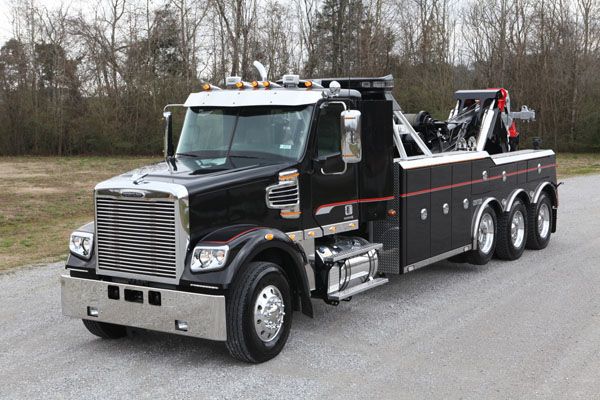
picture-of-a-black-tow-truck

THE BEST TOW TRUCKS TO BUY IN 2025

Tow trucks are indispensable equipment in the automotive and logistics industries. They offer the muscle needed to haul vehicles of all sizes, whether damaged or for emergency purposes. 

As we approach 2025, it is almost impossible to overlook how technological innovations and groundbreaking engineering have elevated truck designs, making them more efficient, reliable, and versatile. In this blog post, we present some of the best tow truck models to consider in 2025.

FORD SUPER DUTY F-SERIES

The Ford Super Duty F-series offers a lineup that continues to raise the bar for heavy-duty tow trucks. This includes the F-250, F-350, and the F-450, designed to handle the most demanding tasks.  These trucks have a best-in-class towing capacity, ranging from 22,000 pounds on the F-250 to an astounding 40,000 pounds on the F-450. The Super Duty line also features robust V8 gasoline and turbo-diesel engine options that provide unmatched performance, making them a favorite for hauling, construction, and long-distance towing.

Sophistication meets functionality in these trucks, as they combine rugged capabilities with luxurious interiors and cutting-edge towing technology, ensuring both comfort and confidence on every drive. For anyone in need of a truck that balances earth-moving power with intelligent design, the Ford Super Duty F-Series is a must-consider in 2025.

GMC SIERRA HD LINEUP

These workhorses have a maximum towing capacity of as much as 36,000 pounds, and they rank among the best trucks that one should consider purchasing in 2025. For power, these leading HD trucks have a 6.6L V8 engine, while the option for turbo diesel is unrivaled. Additionally, the innovative MultiPro tailgate significantly expands functionality, turning the toughest jobs into a breeze.

For the interiors, the Sierra HD lineup marries capability with comfort featuring a spacious crew cab. Also expect advanced towing technologies and intuitive infotainment systems that ensure safety, convenience, and confidence for the driver.  If you’re looking for a truck that’s as rugged as it is refined, the Sierra HD lineup deserves a place on your 2025 wishlist.

RAM HEAVY-DUTY TRUCKS

Other than being popularly excellent at towing, the leverage on high technology makes Ram heavy-duty trucks part of this list. If what you want is a durable truck, then Ram tow trucks have just that. With their over 20,000 pounds of towing capacity, they excel at hauling trailers and big vehicles. It is more about heavy-duty operators with attractive features like adaptive cruise control with stop functionality and monitoring of trailer tire pressure. 

The towing capacity of Ram 2500 extends up to 20,000 pounds for commercial or personal purposes. Additionally, it has a powerful 6.4L V8 engine that doles out seamless performance of 410 horsepower. 

The Ram 3500, however, redefines what a heavy-duty truck can offer. It boasts of a 23,000-pound towing capacity, industrial-grade power combined with a luxurious driving experience. You can also expect more from other models like the 4500, 5500 and 6500.

FREIGHTLINER M2 112

As a truck with outstanding dependability, the Freightliner M2 112 had grown into a favorite with medium-duty operators. Offering an easily maneuverable design combined with rugged durability and running on the Detroit® DD13 engine®, it delivers unrivaled horsepower and torque in every demanding situation that might require quick delivery. With huge heavy-duty hauls and maneuvering in confined parking spaces, the M2 112 handles these challenges thanks to its great maneuverability and ergonomic design.

The Freightliner M2 112 also ranks high for those truckers who consider environmental concerns by offering natural gas motor options. This makes it a top choice for eco-conscious companies without compromising power.

CHEVROLET SILVERADO HD LINEUP

Heavy-duty capability and refinement go hand in hand to make the Chevrolet Silverado 2500HD and 3500HD contenders for 2025. The Silverado 2500HD boasts of an available towing of up to 20,000 pounds, while being enabled with an advanced 13.4-inch infotainment system. The off-road-ready ZR2 trim provides a healthy dose of ruggedness, while the strong 6.6L V8 sees to the consistent performance of the heavy jobs.

At the pinnacle of the lineup is the 3500HD. Truckers love the Chevrolet Silverado 3500 HD because of its reliability in heavy-duty hauling and towing. It’s powered by the Duramax® 6.6L Turbo-Diesel V8, with a maximum towing capacity of 36,000 pounds. The Chevrolet Silverado also features a multi-flex tailgate and an advanced trailering system that makes it even more usable-if you want efficiency and comfort.

KEY FACTORS TO CONSIDER WHEN CHOOSING A TOW TRUCK 

When choosing a tow truck, several factors should be considered, including towing capacity, engine options, cab and bed configurations, trim levels, technology and comfort features, and overall cost. Here’s a breakdown of key considerations:

TOWING CAPACITY

The towing capacity is perhaps the most important factor considered in buying a truck. Often, what you will want to haul determines how much the required towing capacity is. For example, the Chevrolet Silverado 3500HD has an upward of 36,000 pounds of towing capacity, while the Ford 250 offers up to 22,000 lbs. Aside from these, other models have lesser towing capacity, so ensure you align with your desired specification.

ENGINE OPTION AND PERFORMANCE 

Trucks come with various engine options, such as gasoline, diesel, and electric. The 2024 Ram 2500 comes with a standard gas 6.4-liter V8, although the option of diesel power is available. Ford provides hybrid and full-electric powertrains. Check for specific engines and performances since your choice can affect both power and fuel efficiency.

CAB AND BED CONFIGURATIONS

The choice of cab and bed configuration impacts the truck’s functionality. Options include regular cab, extended cab, and crew cab, as well as different bed lengths. Crew cabs offer more passenger space, while regular cabs prioritize cargo space. For example, the 2024 Ram 2500 is available in various cab and bed-length options.

TECHNOLOGY AND COMFORT

Different modern trucks have advanced technological features and comforts as evidenced from the models being explored. For instance, the 2025 Chevrolet Silverado 2500HD has a 13.4-inch infotainment system, while the 2024 Ram 3500 has a great interior. Consider what features you want most for your needs, but make sure to include modern technology and comfortability in your priorities.

COST

The top brands of trucks mostly possess a high purchase price. However, other post-purchase expenses include fuel efficiency, insurance, and maintenance costs. The good thing is that there are several financing options to help you manage purchasing and repair costs seamlessly.

OTHER FACTORS

Go for models that are recognized for their reliability and durable service life. Other factors to consider include safety features, off-road capabilities, ride quality, and specific needs. Some trucks have relatively better off-road capabilities, such as the 2025 Chevrolet Colorado, excellent in this regard.

CONCLUSION

The tow truck market offers a wide range of options if you are looking to add new models to your fleet in 2025. From the heavy-duty Ford F-450 Super Duty to other alternatives like the Ram 3500, Ford F-350, and Chevrolet Silverado 3500HD, there are great options to pick from. Also remember to consider important factors like towing capacity, interior features, technology, and your specific needs and preferences. 

As you explore these tow truck models, remember that it is essential to have a reliable financing partner like Inspired Funding. With a suitable financing plan, you can focus more on choosing the best truck for your business, prioritizing those features that make for a smooth ride and durability. As for funding, we help you map out the financing plan that suits your unique situation, while ensuring you enjoy the peace of mind that comes with driving the best tow truck models. 

ABOUT INSPIRED FUNDING

Inspired Funding has helped hundreds of truck companies secure the trucks they need to succeed. Whether you’re expanding your fleet, starting a new business, or navigating bad credit, we’re here to make truck financing simple and stress-free. 

We specialize in truck financing designed to get your business on the road to success. From box trucks and dump trucks to cargo vanssemi-trucks, and other vocational vehicles, our process is easy. Get guaranteed low payment on used and no hard pulls on credit scores. 

With competitive interest rates, flexible down payments, and manageable repayment plans, you can focus on growing your business without the stress. Start your journey to funding today!