277 Fairfield Rd Ste 310- Fairfield, NJ 07004
Logo for Inspired Funding - Commercial Truck Financing
277 Fairfield Rd Ste
310- Fairfield, NJ 07004

Archives 2025

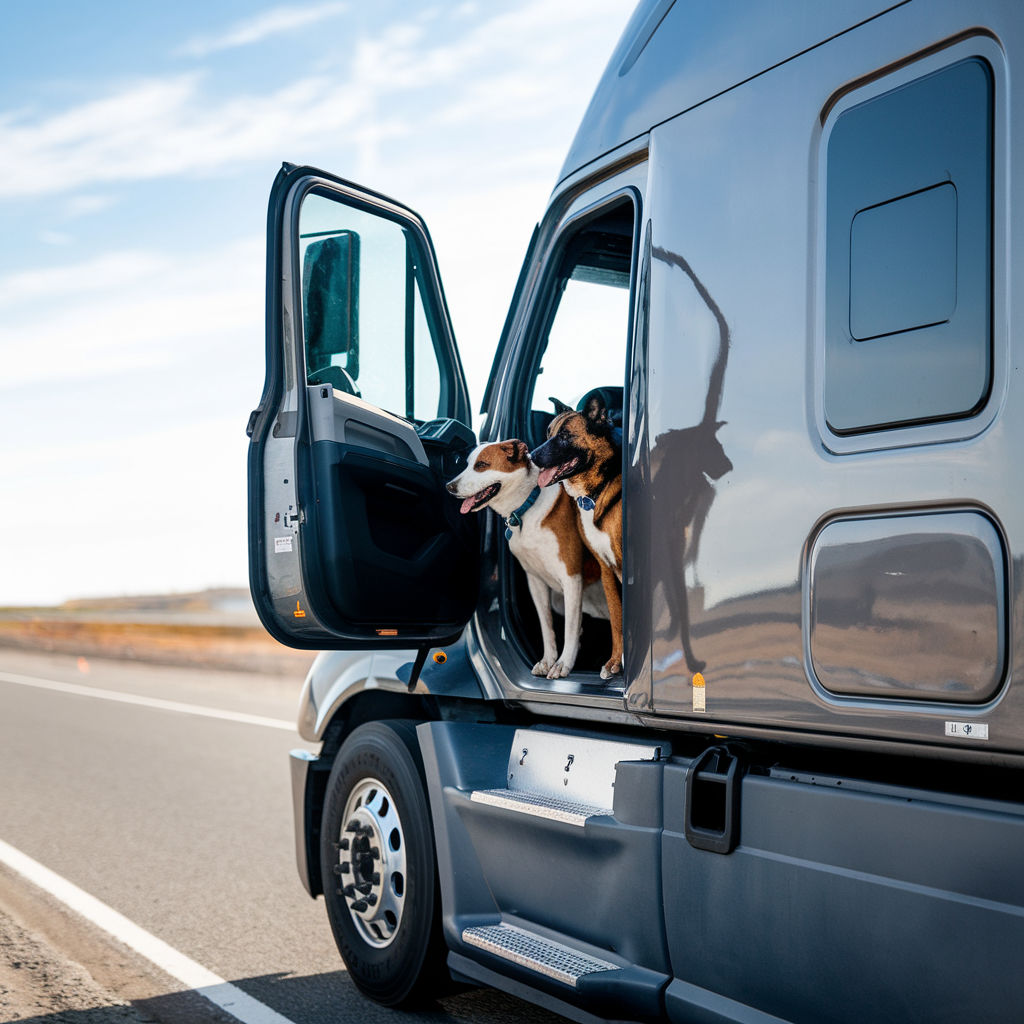
driving-with-a-pet-two-dogs-standing-at-the-door-of-a-semi-truck

DRIVING WITH A PET: ESSENTIAL TIPS FOR TRUCKERS AND THEIR FURRY CO-PILOTS

Sometimes, it feels that the only company truck drivers have is the hum of the engine and the occasional radio chatter. But for those who travel with furry co-pilots, the road feels a little less lonely. Against the common opinion that life on the road is long, lonely and repetitive, driving with a pet can make a world of difference. It can improve your mental well-being, encourage healthier habits and give you an extra layer of security.

In this guide, we’ve covered everything you need to know about having a pet on board, from the benefits and navigating company policies to tips for a smooth and enjoyable ride.

CAN YOU DRIVE WITH A PET?

Driving with pets such as dogs and cats can be a great way to enjoy the long hauls on the road. Pets can be great companions, keeping you company as you go about your daily business. However, before bringing a pet along, truck drivers must first determine whether their company allows it. Many truck companies have different policies regarding travelling with pets. While some welcome different pets, others have strict restrictions in place. Regardless, it is essential to go over your employer’s policies before bringing your pet on board. 

Most trucking companies typically require documentation such as health records, vaccination certificates, and behavioral evaluations to ensure your pet is fit for travel. By meeting these requirements and adhering to company policies, you can make the journey safer and more enjoyable for both you and your pet.

BENEFITS OF DRIVING WITH A PET

Once you have confirmed and met the requirements of having a pet on the road, then cheers to enjoying the hours with a furry co-driver. And if you are in doubt about whether you should bring your pet with you, the following benefits might just change your perspective.  

COMPANIONSHIP

As a truck driver, you likely spend long hours on the road away from friends and family, which for others can be lonely. Sometimes, the only time you get to talk is with other truck drivers over the CB Radio, or with the DOT inspector. When you travel with a pet, it is like having a co-captain or a friend. Pets provide constant companionship and emotional support which help to reduce feelings of loneliness and isolation.

IMPROVED HEALTH

Pets can be a joy to be around and they always find a way to make us smile. From the adorable way they wag their tails and their warm cuddles, they bring warmth and happiness into our lives. Traveling with a pet can help combat mental issues such as stress, depression and anxiety resulting in improved moods and overall health.

Studies have also revealed that having pets is tied to increased survival rates in heart attack patients, as well as reduced blood pressure and lower levels of cholesterol. Furthermore, the responsibility of caring for a pet while traveling can help provide a sense of purpose and routine, which can be beneficial for mental well-being.

IMPROVED MOBILITY

If you own a pet like a dog, you know how essential regular walks are. Taking them with you on your trips means that you have to take breaks from time to time to help your pet get some exercise. These regular walks not only benefit the pet but also promote your physical health as a truck driver who has to sit behind the wheels for prolonged hours.

SOCIAL INTERACTION

Ever met people who walk up to you just to complement your pet? Sometimes, your pet might spot another furry friend from a distance and spark an instant connection, creating an opportunity for their owners to chat. That is the charm that having a pet comes with.

They can serve as a social catalyst, making it easier to engage in conversations with fellow drivers and people you meet during stops. Pets also often attract attention which leads to increased social interaction. So don’t be shy to leverage your pet to kick off conversations. They’ll be more than happy to assist!

SAFETY AND SECURITY

During night travels and when you pass through unknown or isolated roads, your pet can provide a sense of safety and security. They can sense danger faster and help improve your situational awareness and alertness

TIPS FOR DRIVING WITH A PET

Driving with a pet comes with its own set of fun, and it’s like having a buddy ride with you. But remember that they depend on you for their safety during the trips. That is why you must engage in some best practices to ensure the ride is smooth for both of you.

PROVIDE A CAR SEAT FOR YOUR PET

Having your pet seat in the passenger seat is not ideal. Smaller pets cannot perfectly fit in even with the seat belt strapped on, which can make them slip out of the seat. Instead, provide a pet’s car seat for them. Another sitting arrangement you should take note of is to keep pet seats away from the airbag’s reach. This means pets should be seated at the back.

DON’T LEAVE THEM IN THE CAR

Whether you’re running a quick errand, or stopping to take a rest, never leave your pet in a hot truck. Ensure your air conditioning is running and the temperature level is perfect for them depending on the weather condition.

KEEP THEM FROM WANDERING AROUND

Always keep an eye on your pets so that they don’t wander off. When they are in the truck, make sure that they are properly strapped in their seats. When you go for a walk, keep them close. And If you have any quick errands to run without them, put them in the care of a trusted fellow. You don’t want to deal with finding a missing pet.

MAKE SURE THEY ARE EASILY IDENTIFIED

Your pets should always have their collars and tags on. While you don’t hope that they go missing, you want to improve your chances of finding them when the unlikely happens.

KEEP THEM INSIDE

Having dogs hang their heads out of the window can be a pleasant sight, but it has its downsides. First, debris on the road can pose a major danger to them. It can also be a high risk for accidents. For example, when you have to slam on the brakes, your pet could experience whiplash or worse.

CONCLUSION

If you’ve ever had doubts about taking your pet with you on long hauls, we hope we have changed your mindset. Having your pet by your side can make you feel closer to home while also providing benefits such as improved health, enhanced safety, and stronger social connections. Before hitting the road, be sure to review all necessary policies to ensure compliance.

We wish you a happy journey with your loyal companion!

ABOUT INSPIRED FUNDING

If you’re looking for the best financing for your truck business, Inspired Funding is here for you. With tailored financing plans and a range of flexible options, we make it easy for you to get the truck you need and make paying for it a breeze.

Inspired Funding has been helping businesses finance various commercial vehicles, including semi-truckscargo vansdump trucks, and other essential heavy equipment to keep your business moving. We offer competitive interest rates and affordable down payments to fit your budget.

Worried about credit? No problem! We can help you navigate credit score challenges by providing financing solutions designed to get you on the road faster.

Ready to finance a bulldog or a dragon wagon? Give us a call today to get started!
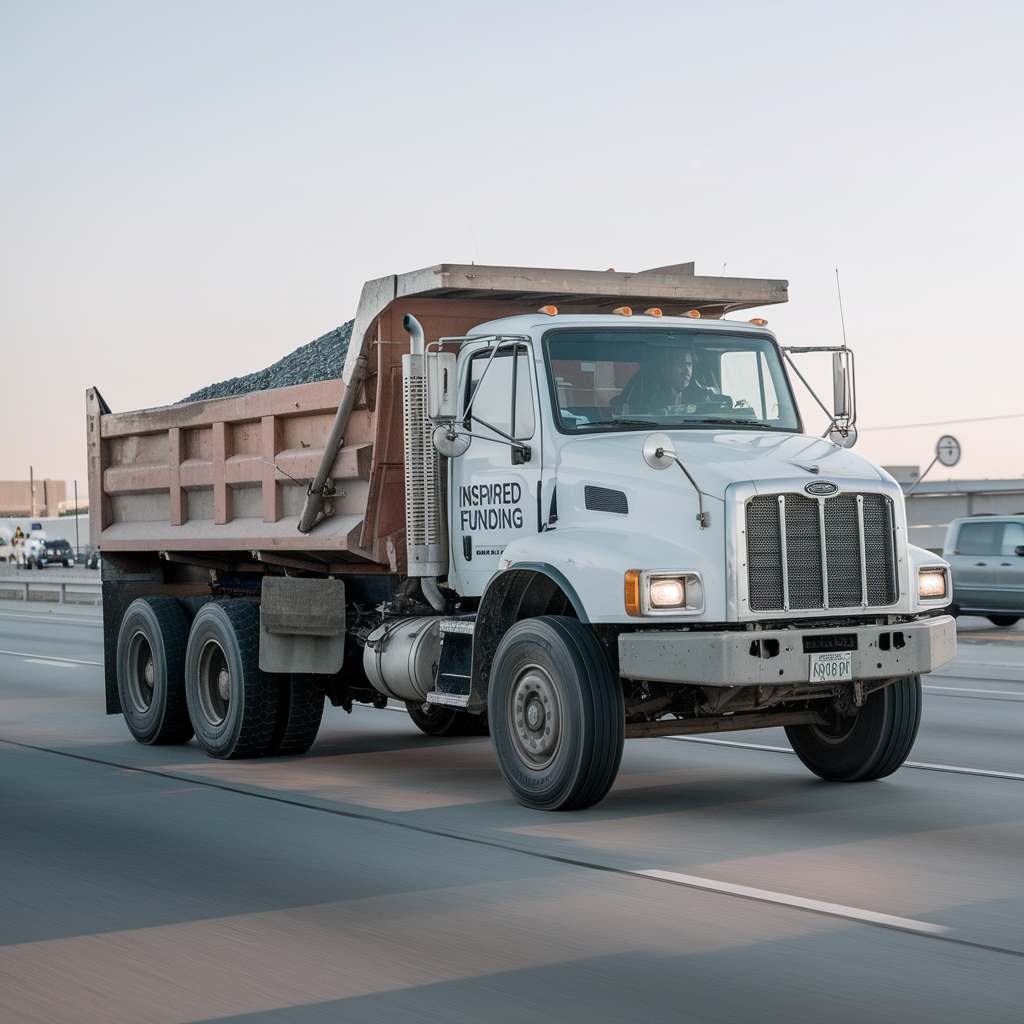

image-of-a-dump-truck-on-a-highway

8 USEFUL TIPS EVERY DUMP TRUCK DRIVER MUST KNOW 2025

Driving a dump truck is not just about getting loads from point A to point B. If it were that simple, everyone would be doing it. Between handling heavy loads, and navigating uneven terrains, operating a dump truck safely requires a skill set. To ensure each trip is both safe and efficient, you need to master a few key strategies and best practices.

From pre-trip inspections to proper loading techniques, this guide covers everything you need to know to help you maintain control, prevent accidents, and keep your truck in top shape. Let’s explore the essential tips every dump truck driver should know!

KNOW YOUR DUMP TRUCK

The first tip for dump drivers is to know and understand your truck in and out. Some specifics you should pay attention to include your dump truck type, the weight, height, size, turning radius and handling. Having the necessary information about your truck will aid you in navigating various terrains such as tunnels, bridges and areas with height limitations. By doing this, you help to prevent potential damage to your truck.

PRACTICE SAFE DUMPING

Be mindful of how you dump as this can impact on the condition of your truck. For instance, dumping on loose or soft surfaces can make the load on the truck unbalanced. Instead, find a flat and firm area that will not cause the weight to shift and slide out of control when you dump.

Another safe dump practice is never to exit the cab while dumping. Stay inside with your seatbelt strapped on while you dump. 

Additionally, ensure that there are no people or other vehicles close to the truck when you want to dump to avoid accidents. By practising safe dumping habits, you can save your life and those of others, and ensure that the truck remains in great condition. 

NEVER OVERLOAD THE UPPER PORTION OF THE TRUCK BED

Every dump truck has its weight limitation. By overloading the truck with more than what it can take,  the load can shift, making the truck off balance and unstable. And when this happens, it can lead to mechanical failures and increased risk of accidents. Therefore, always ensure that the load is evenly distributed on the bed of the truck, and never exceed your truck’s weight capacity. 

MAINTAIN YOUR DUMP TRUCK

If you operate a dump truck, it becomes your duty to ensure that it is always in good condition. You can do this through regular maintenance and never skipping a servicing day. Key maintenance checklists include regular inspections and evaluations, frequent oil changes and visits to the mechanic to fix what needs to be fixed. 

Do not operate the truck when it has some unattended mechanical issues, as this may lead to build-ups and damage your truck more. Instead, repair any fault as you catch it during inspection. This will prevent breakdowns during operations on project sites. Also, refer to owner’s manual for necessary information on how to self-maintain your truck. 

PERFORM A PRE-TRIP INSPECTION

Before you set out, examine your truck thoroughly to ensure it is in proper condition. Examine parts like the brakes, mirrors, lights, tires and fluid levels. Also, check that the load is evenly distributed and secure. 

UTILIZE MIRRORS AND BE AWARE OF BLIND SPOTS

Adjust your mirrors to maximize visibility as you drive. Dump trucks have large blind spots, so it is essential to consistently adjust and monitor your mirrors to stay aware of your surrounding vehicles, pedestrians, and obstacles to reduce the risk of accidents. 

ADHERE TO TRAFFIC LAWS 

Comply with all traffic laws and regulations as you drive a dump truck. These include speed limits, stop signs, and turn signals. This ensures your safety and that of others on the road.

PRACTICE SAFE BRAKING

Because of their substantial weight, dump trucks require longer stopping distances. This is where safe braking becomes vital. Avoid sudden braking, rather decelerate gradually and maintain a safe following distance from other vehicles to prevent collisions.

CONCLUSION

If you drive a dump truck regularly, you’ll realize that it requires more than just moving from one place to another. Instead, you need skill, awareness and a commitment to safety practices every time you hit the road to ensure a smooth and accident-free experience.

Practice proper loading and dumping techniques, do regular truck maintenance and follow traffic regulations to protect yourself, your truck, and those around you. With these tips in mind, you’ll not only extend the life of your vehicle but also become a more efficient and responsible dump truck driver.

ABOUT INSPIRED FUNDING

If you’re looking for the best financing for your truck business, Inspired Funding is here for you. With tailored financing plans and a range of flexible options, we make it easy for you to get the truck you need and make paying for it a breeze.

Inspired Funding has been helping businesses finance various commercial vehicles, including semi-truckscargo vansdump trucks, and other essential heavy equipment to keep your business moving. We offer competitive interest rates and affordable down payments to fit your budget.

Worried about credit? No problem! We can help you navigate credit score challenges by providing financing solutions designed to get you on the road faster.

Ready to finance a bulldog or a dragon wagon? Give us a call today to get started!
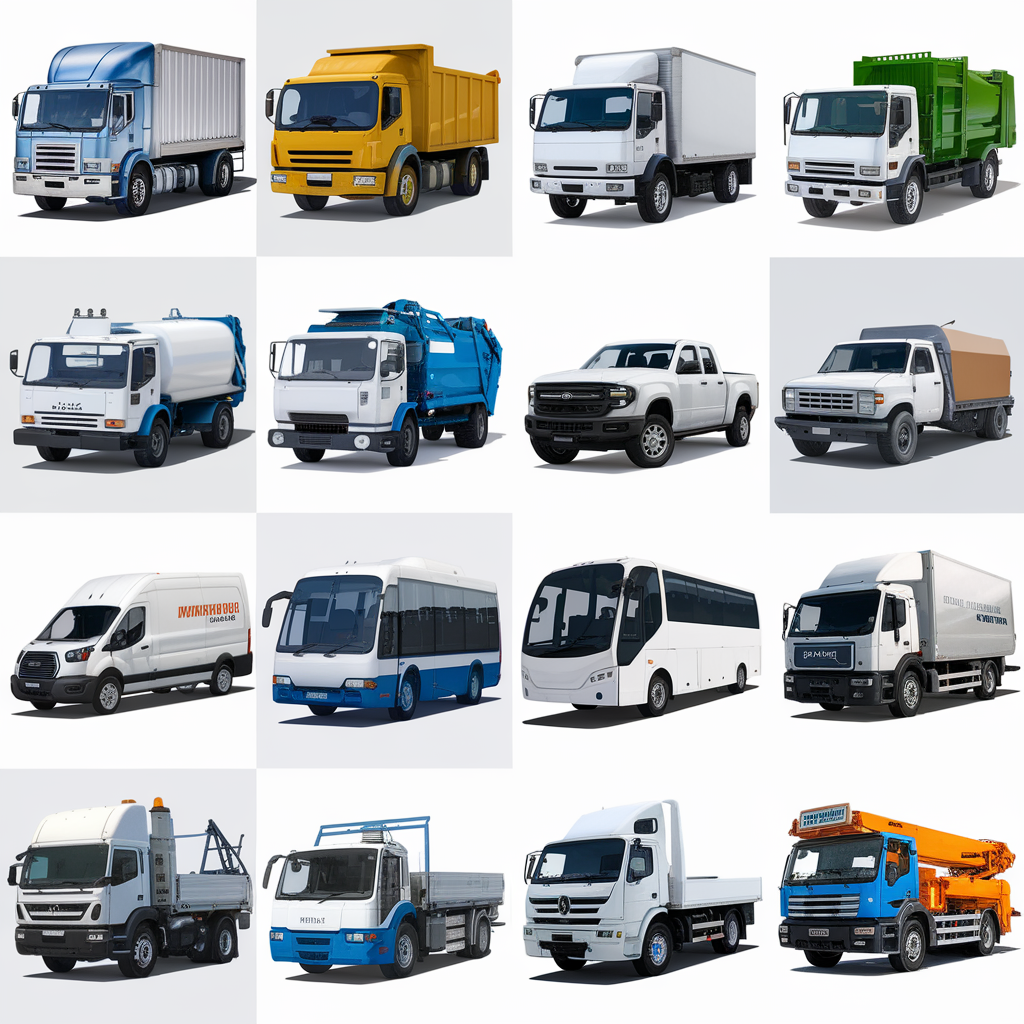

a-collage-of-different-types-of-commercial-vehicles-on-a-white-background

WHAT ARE THE DIFFERENT TYPES OF COMMERCIAL VEHICLES?

Many businesses today rely on commercial vehicles for various operations. According to Statista, unit sales of commercial vehicles are projected to reach 37.75 million in 2025, with a 1.58% increase by 2029. These vehicles make transportation and specialized projects quick and efficient, and directly impact the bottom line of companies that depend on them.

To meet the various industry demands, commercial vehicles come in different sizes, shapes and functions. Some are made to transport people, some for hauling heavy materials and certain specialized vehicles require professional expertise to operate. Read on as we explore everything you need to know about commercial vehicles, the types and how you can choose the right one for your business.

WHAT ARE COMMERCIAL VEHICLES?

Commercial vehicles are primarily used for transporting people and goods for business purposes. They support businesses across multiple industries, making them a valuable asset. To accommodate the diverse demands of these industries, commercial vehicles vary in size, weight, design, and function.

They are also classified into three major categories based on their Gross Vehicle Weight Rating (GVWR): 

  1. Light-Duty Commercial Vehicles: GVWR up to 14,000 lbs
  • Class 1: Up to 6,000 lbs
  • Class 2: 6,001–10,000 lbs 
  • Class 3: 10,001–14,000 lbs 
  1. Medium-Duty Commercial Vehicles: GVWR: 14,001–26,000 lbs 
  • Class 4: 14,001–16,000 lbs 
  • Class 5: 16,001–19,500 lbs 
  • Class 6: 19,501–26,000 lbs 
  1. Heavy-Duty Commercial Vehicles: GVWR: 26,001 lbs and above
  • Class 7: 26,001–33,000 lbs
  • Class 8: Over 33,000 lbs

THE DIFFERENT TYPES OF COMMERCIAL VEHICLES

There are different types of commercial vehicles and the list of every type that exists is almost inexhaustible. These types cut across vehicles used for moving people, goods and the heavy-duty ones used for construction and specialized projects. In the list below, we will try to cover some of the common ones you will find around. 

SEMI-TRUCK

Semi-trucks are also called 18-wheelers, big rigs or tractor-trailers. These are vehicles with a tractor unit, or cab in the front, and a bed or trailer attached via a fifth-wheel connection. They are used for long-haul freight between distribution and fulfillment centers.

DUMP TRUCKS

Dump trucks are used in the mining and construction industries for transporting materials such as sand, gravel, debris and coal. Dump trucks are designed with a hydraulic mechanism that helps tilt the truck bed to unload its content.

BOX TRUCK

Box trucks are similar to semi-trucks, but instead of a fifth-wheel connector, their trailers are attached directly to tractors. They feature an enclosed box-like cargo area that is used to store goods for loading items such as furniture and appliances. They are frequently used by businesses for small-scale freight and moving services. 

GARBAGE TRUCK

Also called refuse trucks, these specialized vehicles are built for waste collection. They have a unique loading mechanism that is used to lift empty bins into a storage compartment. They also have a compacting system that makes room for hauling more trash on the go, thus efficiently managing waste disposal.

PICKUP TRUCK 

Pickup trucks are similar to box trucks, but without enclosed cargo. Instead, they have an open-top bed that can be used to house different cargoes such as construction materials, business tools and equipment.

TOW TRUCKS

Tow trucks cover different types of vehicles, including wrecker trucks that are used for vehicle recovery purposes. These can include damaged, stuck or vehicles that violate traffic laws. Tow trucks come in different shapes and types making them adaptable for any condition where they are needed. 

CARGO VANS

These are compact, enclosed vehicles used primarily for delivering goods within urban settings. Cargo vans are designed as a one-piece attached to the driver’s cab and have no rear seating. They offer a spacious interior that allows for secure and efficient transportation of cargo.

VACUUM TRUCKS

Equipped with a powerful suctioning system, vacuum trucks are used to load solids, fluids, sludge and other materials. They are common in sewage management, industrial management and hazardous waste management. They have an attached tank that collects the materials they vacuum until they are transported to the right sites for disposal. 

TRANSIT BUSES

These are big transport buses used to accommodate a large number of people. They are often used as a cities’ transport system or as school buses.

FLATBEDS 

Flatbeds have an open-air, flat platform that is used to convey oversized and irregularly shaped loads that do not require enclosure or external protection. 

STEP VANS

These are commercial vans that have a spacious area that makes it easy for the driver to access the cargo from the cab without having to leave the vehicle. Step vans are popular in the parcel delivery services. They can serve as food trucks and mobile workshops. 

PASSENGER VANS

These vans are designed to carry between 9-15 people. They are often used to transport individuals for shuttle services such as tour operations or group transporting. 

CRANE TRUCKS

Crane trucks are built with a mounted crane that allows for the efficient loading, lifting and unloading of heavy items like equipment or machinery. They are used in construction, logistics and utilities industries because of how they facilitate the movement of heavy equipment needed for work. 

UTILITY AND SERVICE TRUCKS

Includes different types of trucks such as fire trucks, ambulances and maintenance trucks that are equipped with different specialized tools and parts to complete the tasks they are designed for. 

CONSTRUCTION AND HEAVY EQUIPMENT TRUCKS

Common types in this category include concrete or cement mixer trucks, drilling rigs, and logging trucks built for specific purposes. They are not built for public roads and are commonly found on the sites where they are utilized. 

CHOOSING THE RIGHT COMMERCIAL VEHICLE FOR YOUR BUSINESS WITH INSPIRED FUNDING

Commercial trucks serve different purposes and choosing the right one can impact your business’ profitability and efficiency. From cargo vans, dump trucks, vacuum and tow trucks, there are a lot of options to choose from particularly if you are just considering joining the truck industry. Therefore, this decision should be made meticulously by weighing several factors such as your business needs, the demands of the truck in your region and your interest. 

More significant to consider is the financial investment acquiring a commercial vehicle comes with. Commercial truck financing requires many processes and without the right guide, truck owners can make decisions that will put a strain on their finances and business in the long run. That is where Inspired Funding comes in with flexible and tailored financing solutions for different business situations. Also expect a streamlined approval process that makes getting the right truck quick and seamless.

ABOUT INSPIRED FUNDING

If you’re looking for the best financing for your truck business, Inspired Funding is here for you. With tailored financing plans and a range of flexible options, we make it easy for you to get the truck you need and make paying for it a breeze.

Inspired Funding has been helping businesses finance various commercial vehicles, including semi-truckscargo vansdump trucks, and other essential heavy equipment to keep your business moving. We offer competitive interest rates and affordable down payments to fit your budget.

Worried about credit? No problem! We can help you navigate credit score challenges by providing financing solutions designed to get you on the road faster.

Ready to finance a bulldog or a dragon wagon? Give us a call today to get started!
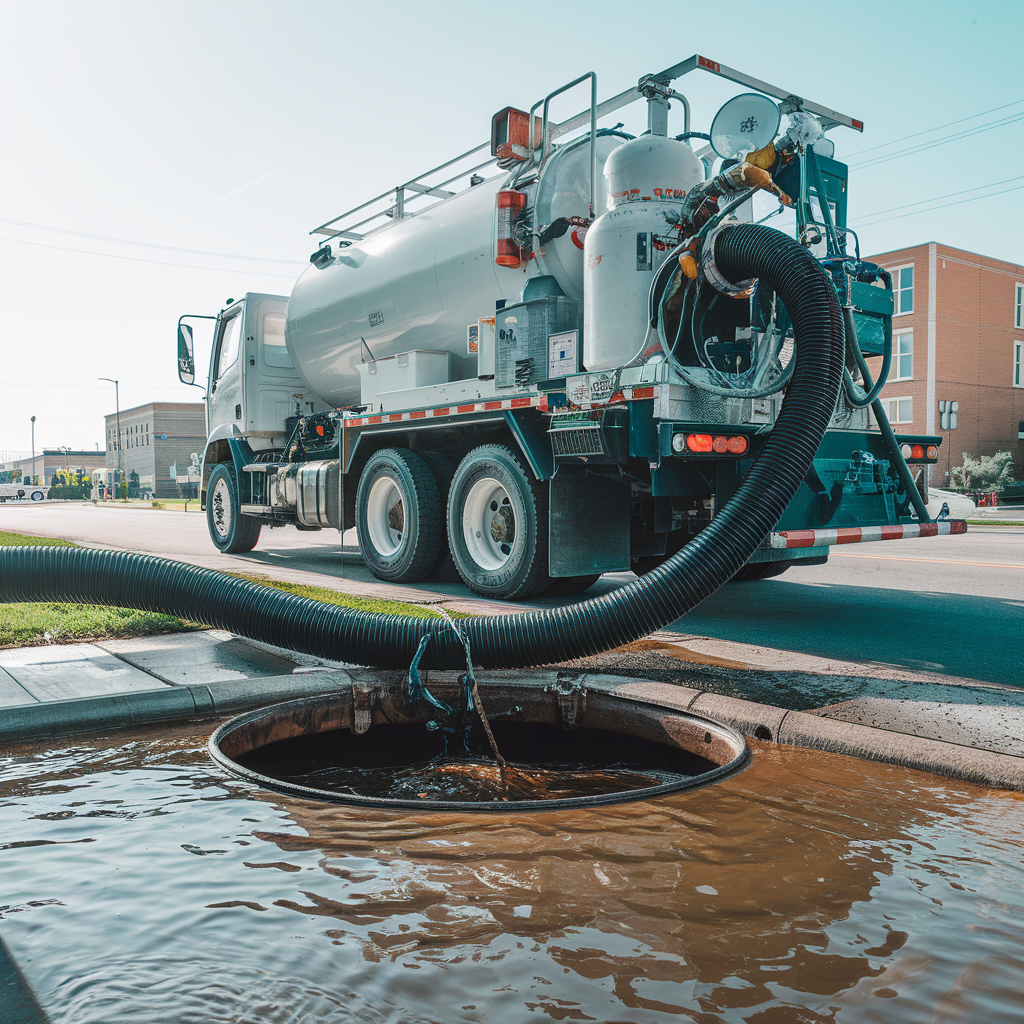

vacuum-truck

VACUUM TRUCKS EXPLAINED: TYPES, USES & HOW TO FINANCE ONE FOR YOUR BUSINESS

When it comes to handling the toughest cleanup job, one machine you can rely on is the vacuum truck. Vacuum trucks play vital roles in various industries such as construction, waste management, environmental service and emergency response. They aid in suctioning and transporting waste materials, fluids, debris, and hazardous materials, making them indispensable for maintaining public health standards and safety. They are vital after extreme weather conditions to clear debris, they help maintain the septic system and assist excavation projects.

In this guide, we will go deeper into what vacuum trucks are, their application and the different types that exist to help you get a good understanding of this type of truck. If you’re looking to acquire one, you will find relevant information on the right financing options to explore and how to get it done.

WHAT ARE VACUUM TRUCKS?

Vacuum trucks are heavy-duty machines used primarily for emptying and sucking up fluids, loose materials or any kind of debris from one place to another for proper disposal. Attached to it is a large tank used for storing materials collected. This tank is built with a pressure system or a water hose attachment that enables it to complete its job. In most cases, the vacuum truck will be used to break up the ground and suction up the debris.  

Vacuum trucks are used across multiple industries such as waste management, tank storage, construction and mining. They are used for clearing streets, sewers, oil spills and other materials. 

USES OF VACUUM TRUCKS

Vacuum trucks are powerful machines and they are also versatile. They can be employed for various functions and some of them include the following: 

REMOVING DEBRIS

This is probably the most popular use of vacuum trucks. They are used to clear excess and leftover materials after construction projects. It can also be applied during serious weather conditions such as storms and floods to clear debris off major roads. 

SEWER AND SEPTIC SYSTEM MANAGEMENT

Vacuum trucks are used to empty cesspits, septic tanks, pit latrines and communal latrines to prevent clogs and maintain system functionality. They are also utilized to empty portable toilets used at construction sites, events and other locations to ensure hygiene. After collecting waste, these vacuum trucks transport the waste to the proper locations such as treatment plants. 

CONSTRUCTION AND EXCAVATION

Equipped with high-pressure water systems, vacuum trucks can break up soil to expose underground utilities during construction projects. They are useful and efficient when breaking up soil and suctioning the resulting slurry, minimizing the risk of damage compared to traditional digging methods.

They are also utilized to remove water, mud, and debris from construction sites, especially after heavy rainfall or flooding, ensuring a safer and more efficient work environment.

ENVIRONMENTAL SERVICES

In environmental emergencies, vacuum trucks are deployed to remove hazardous spills, contaminated soil and wastewater that are not safe for the environment and inhabitants. After storms, they help in removing water from sensitive areas to protect humans, wildlife, and nature. Their secure tanks aid in the safe storage of poisonous materials until they are carted off to areas far from where they can cause harm. 

TYPES OF VACUUM TRUCKS

To perform various functions, vacuum trucks come in different types, and some are tougher and more versatile than the others. Also, while some can be used for smaller tasks, some operate at industrial levels.

HYDRO EXCAVATORS

Hydro excavators are quite common because of their demand in numerous industries. These vacuum trucks use a high-pressure water stream to break up debris, which is then suctioned up by the vacuum system. They are useful for emptying and unclogging sewers to ensure that they are clean and safe for public health reasons. 

Hydro excavators can also be used for digging holes to install or repair pipes and wiring. These machines can serve different purposes with adequacy, reducing the need for laborious human resources and making work a lot faster. 

DRY VACUUM TRUCKS

While hydro excavators rely on water streams to break up dirt and debris, the dry vacuum truck does not. Instead,  it relies on a vacuum component to break up and suction up materials like leaves, dirt, and stones. It is important to note that it is called a dry vacuum truck because it does not need water to collect materials, which means that it can still collect wet substances 

COMBINATION VACUUM TRUCKS

This type has a hydrostatic drive that enables it to handle both wet and dry materials. It features separate tanks for wet and dry operation and can efficiently switch between the two.

INDUSTRIAL VACUUM LOADERS

Industrial vacuum loaders are heavy-duty trucks built with drop boxes, cyclones, a filtration system, and a powerful vacuum system that can handle tough jobs. These machines are made for industrial applications such as waste removal and bulk material recovery. The filtration system ensures that there is no emission of toxic material into the atmosphere, making them particularly safe for the environment. 

VACUUM TANKERS

These are powerful vacuum trucks built for operations that are more demanding compared to industrial vacuum loaders. They are used to haul massive loads of materials of industrial range. They can perform many tasks such as pumping, holding and transferring a wide range of slurries at larger capacities.

HOW TO FINANCE A VACUUM TRUCK

Aside from outright purchase, two major options available for business owners to acquire vacuum trucks include loans and leasing. These two options come with their own sets of pros and cons that should be carefully weighed before making a decision. 

One primary difference between loans and leasing is the ownership at the end of the financing term. By taking a loan, you get to own the vacuum once the payment has been completed. However, with leasing you get to pay a regular amount of money as you use the truck, which does not translate to ownership at the end of the lease period. Regardless, the lease-to-own option allows for a buyout so that you can gain ownership of the truck.

GETTING THE RIGHT VACUUM TRUCK WITH INSPIRED FUNDING

All vacuum trucks are built differently and are used in different applications. Getting the right vacuum truck will require you to assess your business needs, including the type of materials you will handle, required capacity and preferred features.

Budget considerations are also a vital aspect you want to consider as well as the financing options available to you. The good news is that there are many options to consider such as leasing and taking a loan. The option to choose from typically depends on your financial situation such as your credit score and length of time in business. While many lenders will consider a credit score of 640+ before considering you for a loan, Inspired Funding assesses individual financial situations on a needs basis for tailored financial support. Also, expect to enjoy other benefits such as lenient credit score requirements on leased vacuum trucks and fair down payments.

ABOUT INSPIRED FUNDING

If you’re looking for the best financing for your truck business, Inspired Funding is here for you. With tailored financing plans and a range of flexible options, we make it easy for you to get the truck you need and make paying for it a breeze.

Inspired Funding has been helping businesses finance various commercial vehicles, including semi-truckscargo vansdump trucks, and other essential heavy equipment to keep your business moving. We offer competitive interest rates and affordable down payments to fit your budget.

Worried about credit? No problem! We can help you navigate credit score challenges by providing financing solutions designed to get you on the road faster.

Ready to finance a bulldog or a dragon wagon? Give us a call today to get started!
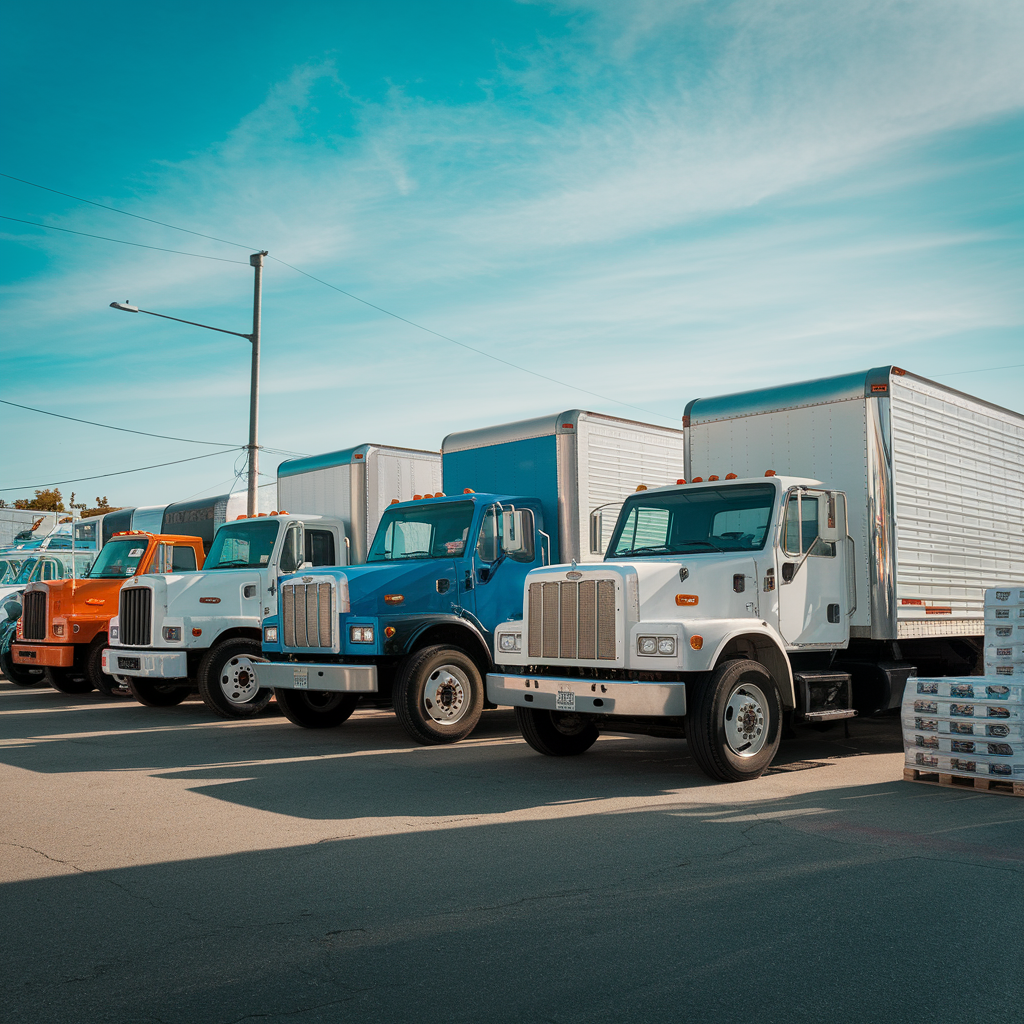

image-of-medium-duty-trucks-parked-in-an-open-field

MEDIUM-DUTY TRUCKS: HOW TO CHOOSE THE RIGHT ONE FOR YOUR BUSINESS

Medium-duty trucks are important assets across various industries. They bridge the gap between light- and heavy-duty vehicles, making them versatile for handling diverse commercial tasks like deliveries, construction work, emergency response, and utility services.  

These trucks are designed with customizable and adaptable features, providing a reliable transportation solution for moderate loads. In this article, we cover the basics of medium-duty trucks, including their types and key factors to consider when choosing the right one for your business.

WHAT ARE MEDIUM-DUTY TRUCKS?

Medium-duty truck is an umbrella term used to refer to different types of vocational trucks that fall within the medium-weight section of the commercial vehicle classification. Commercial vehicles are classified by their gross vehicle weight rating, ranging from light duty to heavy duty, as distinguished by the Federal Highway Administration. They are divided into 8 classes, with classes 1-3 falling in the lightweight category and class 7-8 falling in the heavy-duty category. The middle classes, namely classes 4 to 6, encompass vehicles with a Gross Vehicle Weight Rating (GVWR) ranging from 14,001 to 26,000 pounds

Medium-duty trucks are used for various purposes and are common within the waste, construction, delivery and utility industries. They also come with customizable features like cab configurations, making them versatile. Popular medium-duty trucks include the MD Mack series and the Freightliner’s M2 106. 

COMMON TYPES OF MEDIUM-DUTY TRUCKS

Medium-duty trucks comprise different types ranging from box trucks to dump trucks. Let’s take a look at some of the common types.

  1. Box Trucks: Box trucks come with an enclosed cargo area that helps to protect goods from damage. They are ideal for transporting furniture, appliances and other items
  2. Refrigerated Trucks/Reefers: These are temperature-controlled vehicles for storing and transporting perishable goods such as food and pharmaceuticals.
  3. Tow Trucks: Tow trucks are used to recover damaged, stalled or impounded vehicles. 
  4. Fire Trucks: Used by emergency services with various firefighting apparatus such as ladders, and hoses.
  5. Flatbeds: They have an open bed, ideal for moving large materials like equipment, machinery and other vehicles. 
  6. Dump Trucks: Dump trucks are built with a hydraulic lift that aids in unloading loose materials such as sand, gravel, snow and waste. 

FACTORS TO CONSIDER WHEN CHOOSING A MEDIUM-DUTY TRUCK

There are a couple of factors you must consider before choosing a medium-duty truck. We have selected some of the factors for you to consider below:

CARGO TYPE AND SIZE

Before going for a type of medium-duty truck, evaluate the functions the truck will perform. What service and industry do you want to serve? Are you looking into delivery, or towing? Dump trucks, flatbeds and tow trucks are examples of medium-duty trucks, but they all serve different purposes. 

Once you have got this figured out, then determine the size of cargo you plan to transport plus the weight dimensions. Simply evaluate your business and choose the right truck based on the type of cargo you want to transport. 

AREA OF OPERATION

Some trucks are built for different conditions, while some are not. Ensure you assess the driving conditions such as climate and terrain to know if the truck is built to operate efficiently in these environments. If you are looking for a vehicle that can withstand different road conditions and is made for public roads, you want to go for tougher trucks. On the flip side, if you do door-to-door deliveries, then you can opt for trucks built for city rides. Also determine the truck’s maneuverability, whether or not the truck can operate in urban or rural areas. 

BUDGET AND FINANCING

Medium trucks do not come cheap. And if you are looking for one with the best mechanical capacity that will serve you for the long haul, be ready to spend some money. Also, balance upfront costs with features and capabilities offered. Estimate fuel costs, insurance maintenance costs and the truck’s resale value before paying for one. 

Regardless, a lack of funds should not discourage you from getting the right truck. You can always check out for multiple commercial truck financing options available to help to handle financing so that you can get the best for the business.

WARRANTY

Aside from the cost of the truck, you should look out for vehicles that have a warranty. Warranty can help to cover the cost of maintenance such as repairs during downtimes at no extra cost to your pocket. A great warranty not only helps to reduce costs, but it guarantees that your truck gets expert care when necessary. 

MILEAGE 

You should consider the mileage of your truck before buying one. For businesses with high travel demands, ensure you select a truck with high mileage. For shorter routes, go for truck with moderate mileage. 

PAYLOAD CAPACITY

A truck’s GVWR is estimated by calculating the truck’s weight at maximum capacity. This helps to show the highest of weight a truck can operate at optimally without causing mechanical problems. Choose a truck with the right payload capacity that can handle the weight expected of it without developing mechanical problems. 

SAFETY FEATURES

Trucks are built differently and some prioritize safety features over others. If you are very particular about safety, then consider trucks with collision warning systems, lane departure warnings, and backup cameras. Similarly, check out for trucks with customized comfort features for drivers such as ergonomic seats and easy-to-use controls. 

REGULATORY COMPLIANCE

Ensure the selected truck complies with local weight restrictions, emissions standards, and other regulatory requirements pertinent to your area of operation.

CONCLUSION

As you have read, medium-duty trucks cover a wide selection of trucks categorized majorly by their weight. These trucks are versatile and essential for businesses across multiple industries. The different types include box trucks, dump trucks, and tow trucks among others. 

To choose the right medium-duty truck, you need to assess your operational needs, budget and finance, compliance factors and warranty. Before you buy one, ensure you consult with a professional to help you make the right decision.

ABOUT INSPIRED FUNDING

Inspired Funding has helped hundreds of truck companies secure the trucks they need to succeed. Whether you’re expanding your fleet, starting a new business, or navigating bad credit, we’re here to make truck financing simple and stress-free. 

We specialize in truck financing designed to get your business on the road to success. From box trucks and dump trucks to cargo vanssemi-trucks, and other vocational vehicles, our process is easy. Get guaranteed low payment on used and no hard pulls on credit scores. 

With competitive interest rates, flexible down payments, and manageable repayment plans, you can focus on growing your business without the stress. Start your journey to funding today!


a-wrecker-truck-on-a-highway

WRECKER TRUCKS TYPES, USES & BEST MODELS FOR HEAVY-DUTY TOWING

When you hear wrecker trucks, the first thing that likely comes to mind is a tow truck—and you wouldn’t be wrong. The terms “tow truck” and “wrecker truck” are often used interchangeably because both are designed for vehicle recovery and transportation. However, wrecker trucks serve a distinct purpose compared to regular tow trucks.

In this guide, we’ll break down everything you need to know about wrecker trucks, including their definition, types, and popular models. We’ll also explore the key differences between wrecker trucks and tow trucks.

WHAT IS A WRECKER TRUCK?

A wrecker is a specialized type of tow truck that has a large boom cable winch and lifting system that enables it to perform functions such as vehicle recovery, vehicle flipping or heavy-duty towing. Unlike regular tow trucks, wrecker trucks are used for recovery rather than towing, and that is where the difference lies. They are also used to handle large commercial vehicles like trailers, and semi-trucks. 

COMMON USES OF WRECKER TRUCKS

  1. Accident recovery: Wrecker trucks come in handy during accidents. They are used to move vehicles that have crashed or flipped. They are also the best for towing wrecked cars. 
  2. Vehicle repossession: Leasing companies and banks often require trucks to help repossess vehicles from customers who default on loan payments. 
  3. Illegally parked vehicle removal: Wrecker trucks are also used to tow vehicles that violate parking laws. 
  4. Assisting law enforcement: Law enforcement agencies rely on wreckers to move impounded vehicles involved in crimes or abandoned on the road.

WRECKER VS. TOW TRUCKS

Wrecker and tow trucks are often used interchangeably particularly because they are used to recover vehicles. The best way to describe the difference between both is that while all wreckers are tow trucks, not all tow trucks are wreckers.

Tow trucks are more commonly used for minor vehicle transport, while wreckers handle extreme recovery cases. Let’s consider the basic differences in the table below. 

FEATUREWRECKERTOW TRUCK
Equipment Boom, winch, and wheel-lift systemFlatbed, hook-and-chain, or wheel-lift
Purpose Vehicle recovery and heavy-duty towingTransporting stalled or parked cars
Suitable ForRolled-over, stuck, or heavy-duty vehiclesGeneral roadside assistance
Common UseAccident scenes, off-road recoveries, repossessionsBreakdown assistance, parking violations

TYPES OF WRECKER TRUCKS

BOOM WRECKERS

Boom wreckers are built with a hydraulic arm called the boom that helps to lift vehicles from challenging or hard-to-reach locations like ditches or difficult terrains. Modern boom trucks often use slings or belts to secure the vehicle, reducing the risk of damage. 

WHEEL-LIFT WRECKERS

Designed as a hook-and-chain tow truck, but employs a metal yoke that hooks the vehicle under the front or rear wheel to lift it off the ground. Wheel-lift wreckers are faster and more efficient. They also reduce the risk of additional damage to the vehicle being towed. 

INTEGRATED WRECKERS

Integrated wreckers combine a boom and wheel-lift system for faster vehicle loading. They are equipped with extra axles and are commonly used for heavy-duty towing. They are frequently used in repossessions and scenarios requiring rapid vehicle removal.

ROTATOR WRECKERS

This kind of wrecker features a rotating boom that can pivot 360 degrees, which means that it can lift vehicles from any direction. Rotator wreckers have in-built flexibility that makes them in demand for complex recovery operations such as recovering overturned tractor-trailers or other heavy-duty machinery. 

HOOK AND CHAIN

Hook and chain tow trucks are one of the oldest towing methods around. They utilize chains to secure the vehicle before lifting it. They are known to cause damage to vehicles and are now majorly used for transporting wrecked and junk vehicles. 

BEST WRECKER TRUCK MAKES AND MODELS

FREIGHTLINER M2 112

The Freightliner M2 112 has a versatile and rugged design that is equipped with a Detroit® DD13® engine. It has a torque that can handle hauling heavy loads and navigating tight urban spaces. It also comes with natural gas engine options to cater to eco-conscious businesses without compromising on efficiency.

FORD SUPER DUTY F-SERIES

The Ford Super Duty F-series offers a lineup that includes the F-250, F-350, and the F-450. Depending on the specifications you need, there a Ford for you. The Super Duty line also features robust V8 gasoline and turbo-diesel engine options that make them ideal for hauling, construction, and long-distance towing.

RAM HEAVY-DUTY TRUCKS

The Ram heavy-duty trucks are popularly known for their towing capacity and great for hauling trailers and large vehicles. The Ram 3500, for example redefines what a heavy-duty truck can offer. It has a towing capacity of up to 23,000 pounds, combining industrial-grade power with a luxurious driving experience. 

PETERBILT 389

This is a rotator wrecker for heavy-duty towing and vehicle recovery. It comes with advanced rotator capabilities and has operational flexibility for recovering vehicles in challenging location. It is powered by the PACCAR MC-13 and delivers up to 510 horsepower and 1,850 lb-ft of torque.

INTERNATIONAL MV SERIES

Buyers of the International MV Series can choose between the Cummins B6.7 and L9 engines. This medium-duty truck is designed to meet various vehicle recovery needs based on its build. Available in 4×2 or 6×4 axle configurations, providing flexibility to match specific recovery operation requirements.

CONCLUSION

By now you know the basic differences between a wrecker and a tow truck. While all wreckers can be referred to as tow trucks, not all tow trucks perform the function of a wrecker. Wreckers are indispensable for extreme recovery conditions and they will always be in demand. 

Selecting the right wrecker to buy requires that you consider a couple of factors such as your budget, the configuration and the model. At inspired Funding, we help you make the right financing decision, ensuring that you pay for your wrecker truck without going bankrupt.

ABOUT INSPIRED FUNDING

If you’re looking for the best financing for your truck business, Inspired Funding is here for you. With tailored financing plans and a range of flexible options, we make it easy for you to get the truck you need and make paying for it a breeze.

Inspired Funding has been helping businesses finance various commercial vehicles, including semi-trucks, cargo vans, dump trucks, and other essential heavy equipment to keep your business moving. We offer competitive interest rates and affordable down payments to fit your budget.

Worried about credit? No problem! We can help you navigate credit score challenges by providing financing solutions designed to get you on the road faster.

Ready to finance a bulldog or a dragon wagon? Give us a call today to get started!
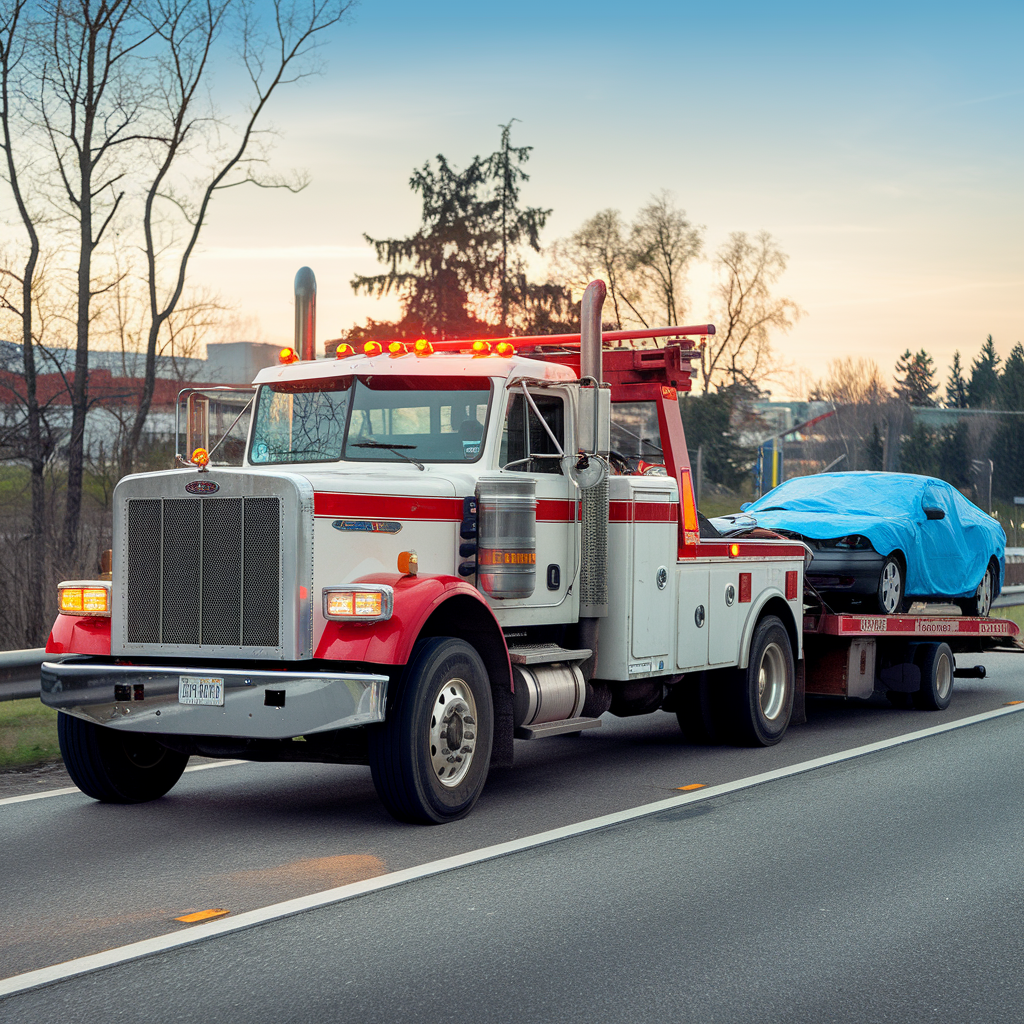

image-of-a-truck-park.

A-Z GLOSSARY OF TRUCKING TERMS

The trucking industry is a large one, with its own unique culture, rules, regulations, and operational protocols. For newcomers, it can take some time to adapt, especially when experienced truckers use common trucker lingo and slangs that might sound like a foreign language. 

To navigate this world and communicate effectively, it’s essential to familiarize yourself with common trucking terms. The good news? This compilation provides nearly all the key terms you need to understand, covering everything from operational jargon to regulatory bodies. Consider this your ultimate guide to mastering trucking lingo and engaging confidently with your colleagues.

  1. Accessorial Charges: Extra fees for transportation services such as fuel surcharges, inside delivery, waiting time, or storage.
  2. Aggregate Gross Weight: The total weight of a vehicle and its load.
  3. Air Brake: A type of brake that uses air (usually compressed) to function.
  4. Alligator: Pieces of a tire on the road, also called ‘gators.’
  5. Asset-Based Carrier: A carrier that uses its equipment and vehicles to transport freight.
  6. ATA (American Trucking Associations): The largest trade association for the trucking industry in the U.S.
  7. Authority: The legal permission given by the FMCSA to operate for hire.
  8. Average Length of Haul: The average distance (in miles) that freight is transported.
  9. Axle: The shaft on which the wheels revolve; includes brakes and suspension.

B

  1. Backhaul: The return trip of a truck transporting cargo or freight.
  2. Bill of Lading (BOL): A legal document between the shipper and carrier detailing the type, quantity, and destination of the goods.
  3. Blind Spot: The area around a commercial truck where the driver has limited or no visibility.
  4. Bobtail: When a semi-truck operates without the trailer attached.
  5. Breakbulk: A method of shipping goods individually rather than in containers.
  6. Broker: An individual or company that arranges transportation of goods by truck for a fee.

C

  1. Cab: The driver’s compartment of a commercial truck.
  2. Cabover: A truck where the cab is situated over the engine, making the vehicle shorter in length.
  3. Carrier: A company that transports goods.
  4. CB (Citizens Band Radio): A two-way radio that peaked in the 1970s. CB radios remain a staple among truckers and motorists, used for purposes ranging from traffic updates and emergency communications to casual conversations.
  5. CDL (Commercial Driver’s License): A license required to operate vehicles with a gross vehicle weight rating of 26,001 lbs or more.
  6. Common Carrier: A business available to the public for transporting goods.
  7. Consignee: The person or place where a shipment is to be delivered.
  8. Consignor: The person or place where a shipment originates.
  9. Cross-Docking: Unloading goods from an incoming vehicle and loading them directly onto outbound transport.
  10. Cube Out: When a trailer is filled to capacity without exceeding the weight limit.

D

  1. Dead Mile: Miles a truck is driven without carrying freight (also called empty miles).
  2. Deadhead: Driving a truck without cargo.
  3. Dedicated Lane: A route a driver travels frequently.
  4. Demurrage: A fee charged for holding a trailer for too long.
  5. Detention Time: The time a driver waits for cargo to be loaded or unloaded, potentially incurring fees.
  6. Dispatch: The act of sending a driver on a run.
  7. DOT (Department of Transportation): U.S. government body overseeing transportation infrastructure, laws, and regulations.
  8. DOT Inspection: An examination of commercial motor vehicles to ensure compliance with safety regulations.
  9. Double Drop: A trailer designed to haul very large freight.
  10. Driver Log: A record of a driver’s hours of service.
  11. Drop and Hook: A method where a driver swaps a loaded trailer for another without waiting for loading or unloading.
  12. Dry Van: A standard enclosed semi-trailer for general freight hauling.

E

  1. ELD (Electronic Logging Device): A device that automatically records a truck’s driving time and service hours.
  2. Expedited: Shipping faster than standard transit times.

F

  1. FAK (Freight of All Kinds): A mixture of different products shipped together in one shipment.
  2. FMCSA (Federal Motor Carrier Safety Administration): A branch of the DOT regulating the trucking industry.
  3. Forced Dispatch: Assigning loads to drivers without their input.
  4. FSC (Fuel Surcharge): A fee paid for the cost of fuel.
  5. Full Truckload (FTL): A truck carrying one dedicated shipment that typically fills the entire semi-trailer.

G

  1. GVW (Gross Vehicle Weight): The total weight of a vehicle and its payload.
  2. GVWR (Gross Vehicle Weight Rating): The maximum operating weight of a vehicle, as specified by the manufacturer.

H

  1. Hazmat (Hazardous Materials): Dangerous goods posing a risk to health, safety, or the environment.
  2. HOS (Hours of Service): Maximum time a commercial driver can be on duty.
  3. Hot Shot: Expedited freight deliveries that are time-sensitive.

I

  1. IFTA (International Fuel Tax Agreement): An agreement to simplify fuel use tax reporting for interstate carriers.
  2. Inbond: Goods that have not cleared customs.
  3. Intermodal: Transporting freight using multiple modes (e.g., truck and rail).

J

  1. Jackknife: A skidding situation where the trailer spins and faces backward.
  2. JIT (Just in Time): Inventory management strategy ordering goods only as needed.

K

  1. Kingpin: The coupling pin on the front underside of a truck trailer.

L

  1. Lanes: Paths or routes for freight transport.
  2. LCL (Less than Container Load): Smaller ocean freight shipments.
  3. Linehaul: Freight movement between major cities.
  4. Live Load/Unload: When a driver waits for cargo to be loaded or unloaded.
  5. LTL (Less Than Truckload): Shipping method combining several smaller shipments in one truck.

M

  1. Manifest: A document listing cargo, passengers, and crew.
  2. MC Number: Identifies carriers in interstate and intrastate commerce.

O

  1. Overdimensional Load (OD): Freight that exceeds standard size limits.
  2. Owner-Operator: A self-employed driver who owns their trucking business.

P

  1. P&D Driver (Pickup and Delivery Driver): A driver handling local or regional deliveries.
  2. Pallet Jack: A tool for lifting and moving pallets.
  3. Payload: The weight of the load being hauled.
  4. Placard: A sign marking vehicles carrying hazardous materials.
  5. Pre-Haul: Preparing cargo for transport.
  6. Private Carrier: A business operating trucks for its own products.
  7. Proof of Delivery (POD): A receipt confirming delivery.
  8. Public Scale: A certified state scale for weighing vehicles.

R

  1. Rate Confirmation: A document confirming the agreed payment for a load.
  2. Reefer: A refrigerated trailer maintaining specific temperatures.
  3. Relay Driving: System where drivers switch trucks after reaching driving limits.
  4. Roadrailer: A trailer that works on roads and railroads.
  5. Road Test: A driving test required to obtain a CDL.
  6. Rollover: A trucking accident where a truck tips over.
  7. RPM (Revolutions per Minute): Measures rotational frequency of an engine.

S

  1. Satellite Tracking: GPS technology for vehicle tracking.
  2. Shag: A short truck moving trailers within yards.
  3. Shipper: The supplier or owner of goods.
  4. Short Haul: Short-distance trucking route.
  5. Sleeper: A sleeping compartment behind the cab.
  6. Sliding Fifth Wheel: A movable fifth wheel to redistribute weight.
  7. Straight Truck: A truck with cargo mounted directly on the frame.

T

  1. Tandem: Two axles positioned together.
  2. Terminal: A facility for freight preparation.
  3. Through Trailer: A trailer moved from origin to destination without changing vehicles.
  4. Tractor: The engine-powered unit of a truck.
  5. Trailer: The cargo-carrying unit of a truck.
  6. Tractor-Trailer: A truck consisting of a tractor and a trailer.
  7. Transloading: Transferring goods between transport modes.
  8. Tri-Axle: Three axles grouped together.
  9. Turnpike Double: A tractor with two long trailers.
  10. TWIC: An identification card for secure maritime access.

W, Y, Z

  1. Waybill: Document detailing goods being transported.
  2. Weigh Station: A checkpoint for weighing vehicles.
  3. Wharfage: A fee for handling cargo at a dock.
  4. Yard Jockey: A worker moving trailers in a yard.
  5. Yaw: A vehicle’s side-to-side swaying motion.
  6. Yield: The weight of goods loaded for delivery.
  7. Z-Plate: Special license plate for truck tractors.
  8. Zone-Hopping: Loading and unloading within the same area for increased pay.
  9. Zone Rate: Rate for transport based on geography.

CONCLUSION

We have gotten to the end of the trucking terms, and we hope that you have been able to master a couple of trucking terms by reading through. We recommend saving this blog post so that you can always go back to it when you need to. 

ABOUT INSPIRED FUNDING

Inspired Funding has helped hundreds of truck companies secure the vehicles they need to succeed. Whether you’re expanding your fleet, starting a new business, or navigating bad credit, we’re here to make financing simple and stress-free. 

We specialize in truck financing designed to get your business on the road to success. From box trucks and dump trucks to cargo vans, semi-trucks, and other vocational vehicles, our process is easy. Get guaranteed low payment on used trucks and no hard pulls on credit scores. 

With competitive interest rates, flexible down payments, and manageable repayment plans, you can focus on growing your business without the stress. Start your journey to funding today!


image-of-a-Dump-truck-on-a-site

THE DIFFERENT TYPES OF DUMP TRUCKS AND THEIR USES

Dump trucks are used across many industries today. They help in hauling large amounts of materials from different locations to where they are needed. From construction sites, waste management, and mining, the demand for these vehicles cannot be undermined in carrying out daily operations for these industries. 

To meet the endless demands, these vocational trucks come in different shapes and sizes with varying functionalities. Also, advancement in technology has contributed to the multifaceted and diverse use of these vehicles. Let’s explore the different types of dump trucks and what they are used for. 

TYPES OF DUMP TRUCKS

There are nine different types of dump trucks, each built with distinct features and functions. 

STANDARD DUMP TRUCK

Standard dump trucks are common within many industries. They are built with a truck suspension that can lift the front of the vehicle while lowering its rear to release the load at the back. These vehicles use a standard chassis making them versatile and adaptable to standard and highway road conditions. 

Standard trucks are highly in need among various industries, yet, they are not suited for navigating uneven terrain often found at large construction sites.  You will find them used in residential construction sites, street building, agricultural projects, and road construction. 

SUPER DUMP TRUCK

A super truck is a type of semi-truck trailer that has an additional trailing axle that can be lifted off the road surface when the vehicle is empty to reduce taxes. On the flip side, when it is fully loaded, the trailing axle is moved in place by a hydraulic system, thus allowing the truck to gain more capacity and payload. 

In a nutshell, super dumps are built in such a way that they maximize both payload and performance while adhering to weight regulations. 

WINTER WEATHER DUMP TRUCKS

These are vehicles utilized in areas with snowfalls. They are built with the capacity to clear snow with snowplow blades. In this case, the unloaded dump box can be used to carry sodium or chloride salts which are then spread on the areas covered with snow to prevent snow formation. 

TRANSFER DUMP TRUCK

The transfer dump truck has a different kind of configuration. It has a standard dump truck pulling a separate trailer with a mobile cargo container. This feature allows it to move loads such as sand, asphalt, snow, and construction materials from the trailer into its dump box. 

The loaded heap trailer can move on its chassis while the truck moves. They are most popular in expressways, urban centers, and areas with strict weight restrictions. 

SIDE DUMP TRUCK

This type features a combination of semi-truck and trailer configurations. Side dumps have designed hydraulic rams that enable the body to tilt on its mid-line to the left or right. This allows dumping to be done from both sides of the box, enabling rapid unloading and reducing the risk of tipping over. Because of this, they are suitable for projects that require quick material deposition and various hauling requirements. 

HAUL DUMP TRUCK

This is a heavy hauler that is huge and has the capacity to haul between 40 to 400 tons of material per load, depending on the size of the vehicle in use. Haul dumps feature twin axles, with some models having up to three. 

In terms of functionality, they can offload from both the front lift of the dump box and the rear. As heavy-duty vehicles, they are mostly found on the site where they are utilized and rarely found on public roads.

SEMI-TRUCK TRAILER END DUMP TRUCK

This is a combination of a semi-truck and a trailer. The semi-truck functions as the hauler while the trailer has its hydraulic hoist for dumping load from the rear of the truck. 

They require a strong hydraulic piston at the front of the trailer due to the size of the load they carry. It is useful for carrying larger loads, but it can do this on stable and even roads. They are less stable for rough terrains.

SEMI-TRUCK TRAILER BOTTOM DUMP TRUCK

While similar to the end dump truck, the semi-truck trailer bottom dump truck has a distinct shape and offloading method. It is also called the belly dump because It features a dump gate in the belly of the trailer as a passage for materials to be unloaded entirely in a linear heap where it is needed. They are effective for transporting grains for agricultural purposes, as well as construction materials like sand or gravel. 

ARTICULATED DUMP TRUCK

ADTs consist of two sections: a front cab and a rear dump body, connected by a pivot point. This design provides excellent off-road capabilities, allowing the truck to navigate rough terrains and tight spaces. ADTs are commonly used in mining and large-scale construction projects. 

USES OF DUMP TRUCK

Different dump truck type has different uses. Yet, their general uses are:

SNOW REMOVAL

Vehicles used for plowing snow are also dump trucks. Their configuration allows for clearing while at the same time carrying sodium salt for melting snows as they move. 

TRANSPORTING MATERIALS

This is probably the most common use of a dump truck. From snow, agricultural produce, gravel, sand, and garbage, the dump truck’s bed has the capacity to accommodate different materials and transport them from one location to another. 

RESIDENTIAL MOVING

Dump trucks can be valuable equipment for the moving industry. These trucks can also be utilized for residential moving, particularly for old items that need to be disposed of. Items like old stacks of clothing materials, old furniture, and worn-out household and renovation materials can be thrown into a dump truck and carted off. 

CONSTRUCTION SITES

Construction sites use them for many functions from transporting construction waste to hauling materials. They are versatile for clearing the sites for workers to work. 

GETTING THE RIGHT DUMP TRUCK WITH INSPIRED  FUNDING

With many industries relying on it, there is no decline in sight for the need of dump trucks. Their ability to haul large volumes of load and to offload seamlessly, powered by technical configurations make them particularly essential.

Getting the right dump truck depends heavily on evaluating the use as already explored here. Assessing the features of each type in relation to the function required of the truck can help make all the difference. Also, consider checking in with a financial expert such as Inspired Funding to find the best financing option.

ABOUT INSPIRED FUNDING

If you’re looking for the best financing for your truck business, Inspired Funding is here for you. With tailored financing plans and a range of flexible options, we make it easy for you to get the truck you need and make paying for it a breeze.

Inspired Funding has been helping businesses finance various commercial vehicles, including semi-truckscargo vansdump trucks, and other essential heavy equipment to keep your business moving. We offer competitive interest rates and affordable down payments to fit your budget.

Worried about credit? No problem! We can help you navigate credit score challenges by providing financing solutions designed to get you on the road faster.

Ready to finance a bulldog or a dragon wagon? Give us a call today to get started!
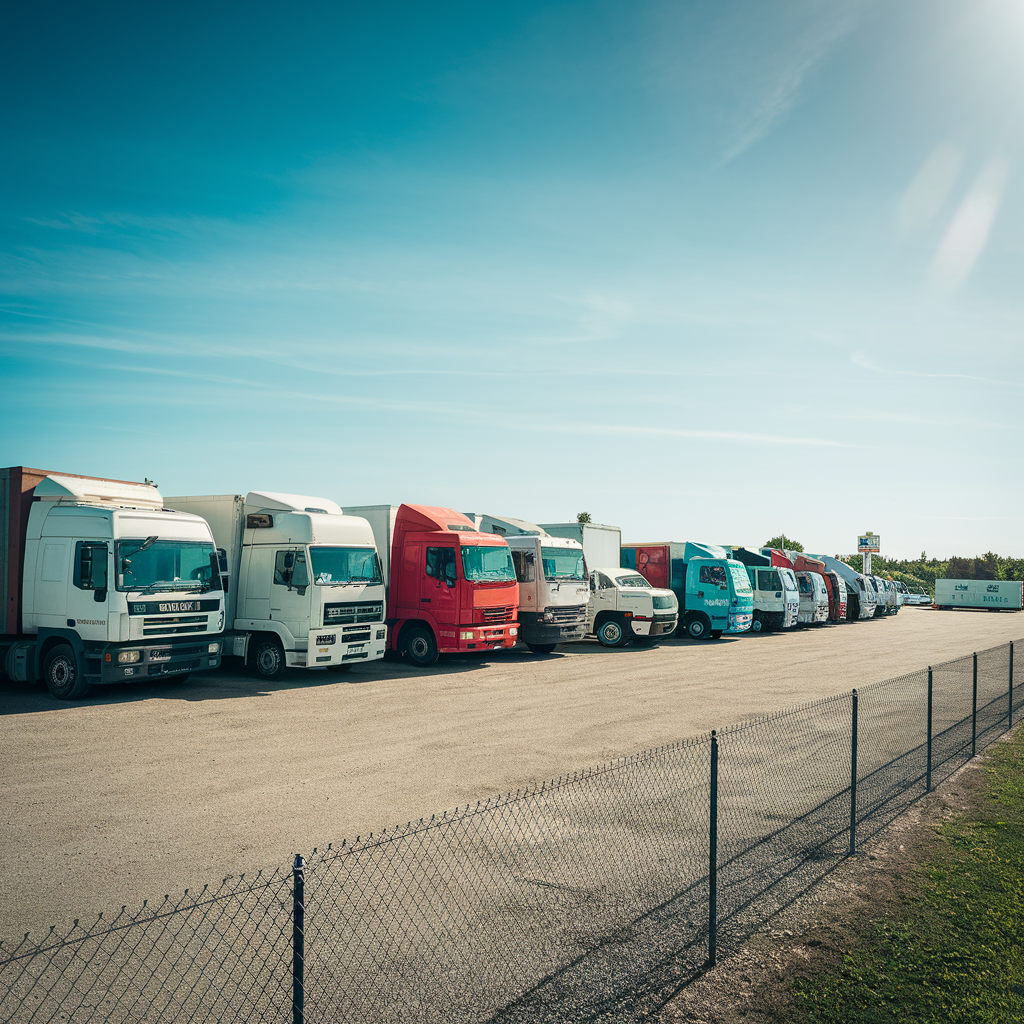

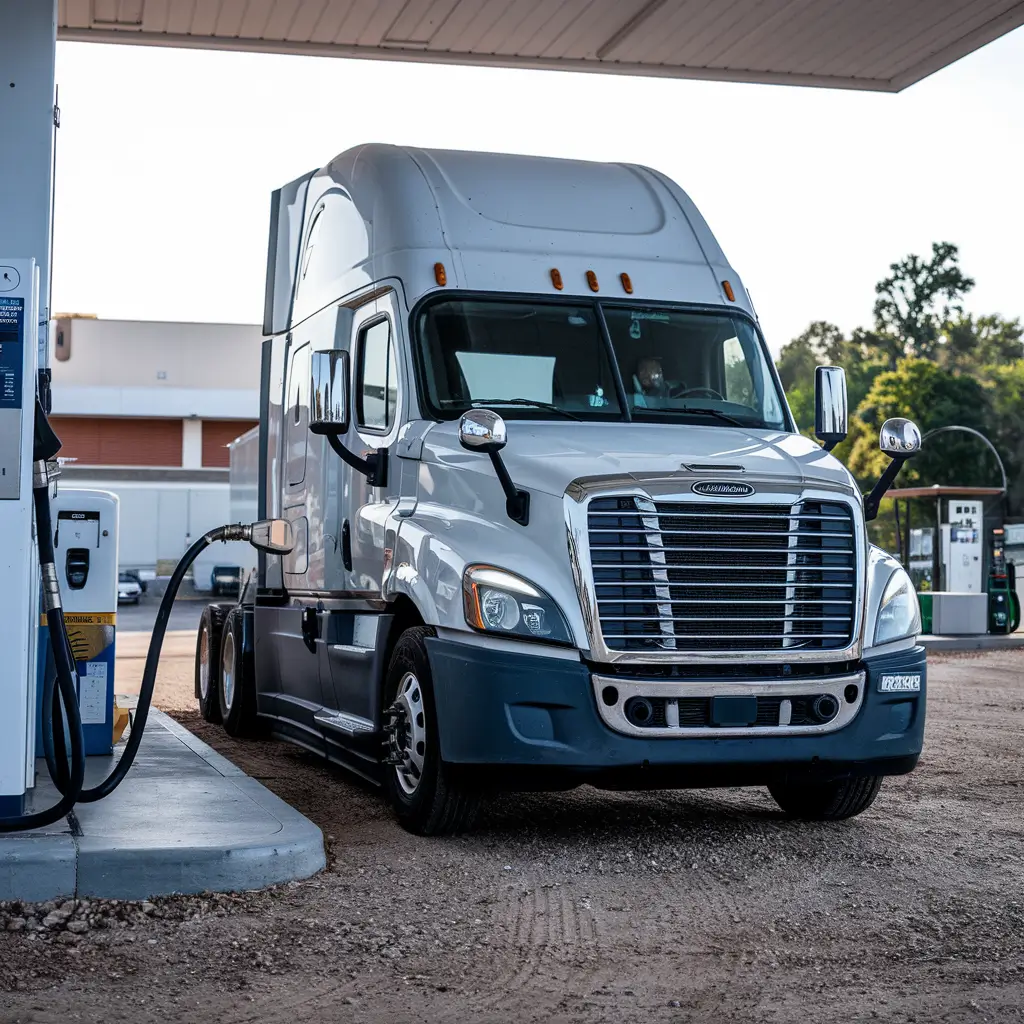
image-of-a-semi-truck-filling-up-at-a-gas-station

11 TIPS ON HOW TO IMPROVE FUEL EFFICIENCY IN YOUR SEMI-TRUCK

Improving fuel efficiency in semi-trucks has become more and more important today. According to the U.S. Environmental Protection Agency, the Greenhouse gas emissions from the transportation industry accounts for about 28% of the U.S’ total greenhouse emissions. Therefore, increased fuel consumption is not safe for the economy. 

High fuel consumption also means spending more on fuel. For instance, on average, semi-trucks in the U.S. consume 36.5 billion gallons of diesel annually. This amount can be significantly reduced by following some selected tips that we have outlined in this article. By following this guide, you can begin to see more changes in how much your semi-truck consumes fuel.

PRO TIPS TO IMPROVE FUEL EFFICIENCY IN YOUR SEMI-TRUCK

AVOID IDLING YOUR TRUCK

There are many reasons why idling your truck might sound like a better option —- to grab a quick meal, maintain temperature during winter, or just to avoid restarting after a quick errand. Idling your vehicle is one of the easiest ways to burn off fuel. 

According to research, your semi-truck burns 0.8 gallons of fuel for every hour it sits idle. When you calculate how much fuel it burns over a period of time, you would realize how much fuel and money you waste while your truck sits idle. So don’t keep your truck idle for too long to improve fuel economy.

KEEP UP WITH TRUCK MAINTENANCE

Lack of regular truck maintenance can lead to increased fuel consumption. Ensure that certain parts of your truck are subject to frequent check-ups by you or a professional. For example, unclogged air filters and improperly inflated tires can greatly impact fuel consumption. Similarly, changing oils regularly can help your truck run with lesser energy. 

Semi-truck maintenance also covers managing speed, and reducing truckload. When you make efforts to handle your semi-truck with great care and keep up with regular maintenance, you’ll be shocked at how much fuel you’ll save.

DON’T OVERFILL YOUR TANK

Overfilling your fuel tank with more than what’s necessary has a couple of disadvantages. An overfilled tank can lead to tank expansion when the fuel is heated. Also, overflow leads to fuel wastage, which defeats the purpose of maximizing fuel efficiency. Pro tip? Don’t fill your tank with more than what it can take.

AVOID EXCESSIVE BRAKING

Low fuel efficiency can be linked to excessive and sudden brakes. Here’s why: every time you use the brake, your truck consumes more fuel to get back on. So every time you hit the brakes, you expend more fuel. While making some stops at intervals is necessary, consider exploring other techniques that would require less use of brakes.

MANAGE SPEED

Trucks have a speed limit of 65 mph. While it can be tempting to go higher than that on a free road, we recommend you don’t. Overspeeding and inconsistent speed can result in higher fuel consumption. On the other hand, if you drive steadily and regulate your speed, you can cut down on fuel usage. So regulate speed and drive within the speed limit, your semi-truck will thank you.

OPTIMIZE TRUCKS AERODYNAMICS 

You can cut down on fuel usage by simply improving your truck’s aerodynamics. This includes some modifications to reduce aerodynamic drag. Modifications can consist of removing accessories such as top bars, air horns, bull bars, and additional light. Other modifications done by an expert can consist of adding wheel covers, fuel tank fairings, side skirts,  trailer tails, and cab extenders.

INFLATE YOUR TIRES PROPERLY

Tires play a huge part in managing fuel economy. When your truck is incorrectly inflated,  your engine will require more energy to keep your tire in motion, thus resulting in additional fuel expenditure. To put in context 1 psi drop in tire pressure can reduce gas mileage by 0.2%. A well inflated tire on the other hand can help you save up fuel. 

USE CRUISE CONTROL

Cruise control helps you drive at a consistent speed that can make a significant difference on fuel saving. When navigating uneven roads and accelerations, employing the cruise control can provide up to 6% reduction in fuel consumption. Cruise control does not only help you regulate your speed, it can provide fuel efficiency. 

USE GPS TO FIND ALTERNATIVE ROUTES

Some routes tend to impact fuel consumption, and you should avoid them. Longer routes, roads with high traffic, poor conditions, or uneven terrains can make your truck burn more fuel. By exploring shorter routes and roads with better conditions, your truck can decrease fuel consumption. 

DRIVE WELL

Being intentional about driving smoothly can make a lot of changes to how your semi-truck consumes fuel. Practise gradual acceleration and deceleration, and maintain a steady speed to allow the engine to operate more efficiently. In a nutshell, how you drive can determine whether you burn or save more fuel. 

FINAL THOUGHTS

Improving fuel efficiency in semi-trucks is not only beneficial for reducing operational costs but also critical for minimizing environmental impact. By adopting the tips outlined in this guide, such as avoiding idling, maintaining your truck, managing speed, and driving intentionally, you can cut down on fuel consumption and expenses. Also small, but effective adjustments, like inflating tires properly or optimizing aerodynamics, can lead to substantial savings over time.

ABOUT INSPIRED FUNDING

If you’re looking for the best financing for your truck business, Inspired Funding is here for you. With tailored financing plans and a range of flexible options, we make it easy for you to get the truck you need and make paying for it a breeze.

Inspired Funding has been helping businesses finance various commercial vehicles, including semi-truckscargo vansdump trucks, and other essential heavy equipment to keep your business moving. We offer competitive interest rates and affordable down payments to fit your budget.

Worried about credit? No problem! We can help you navigate credit score challenges by providing financing solutions designed to get you on the road faster.

Ready to finance a bulldog or a dragon wagon? Give us a call today to get started!
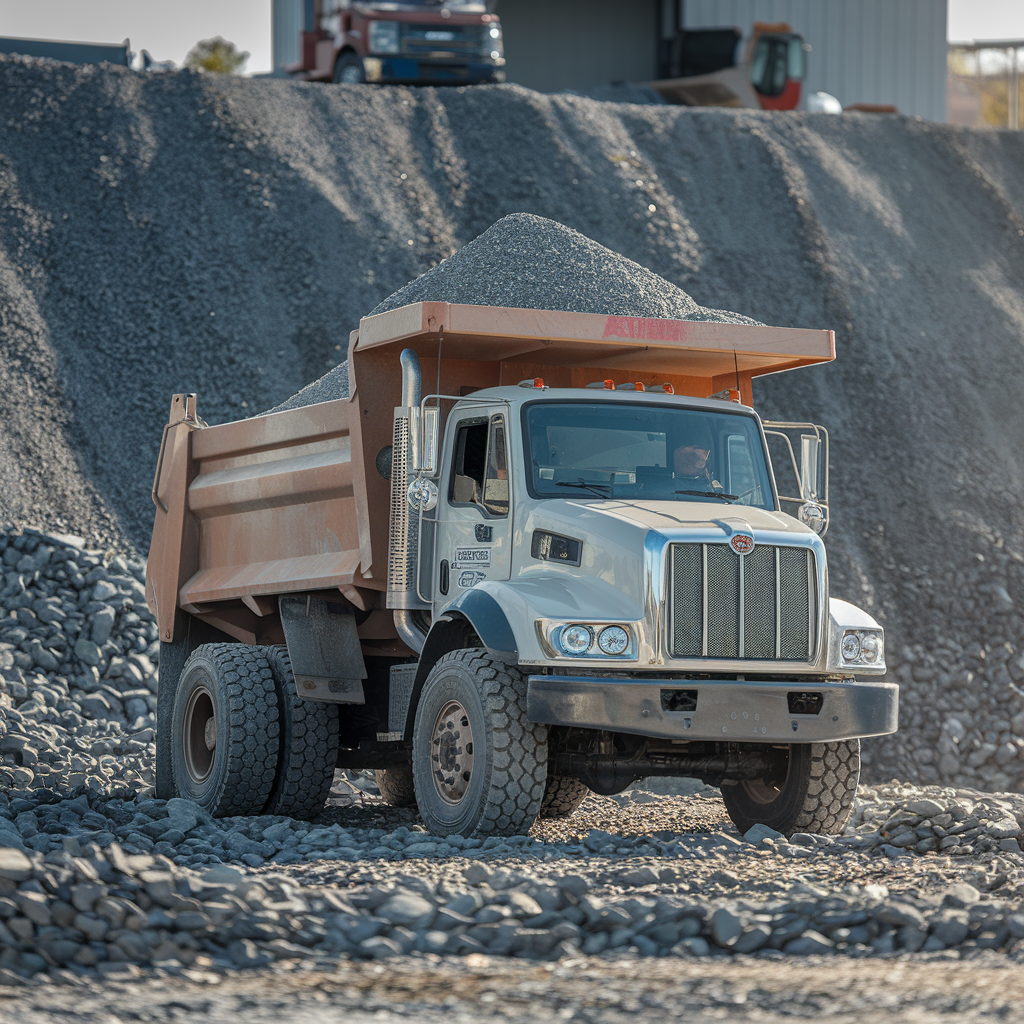

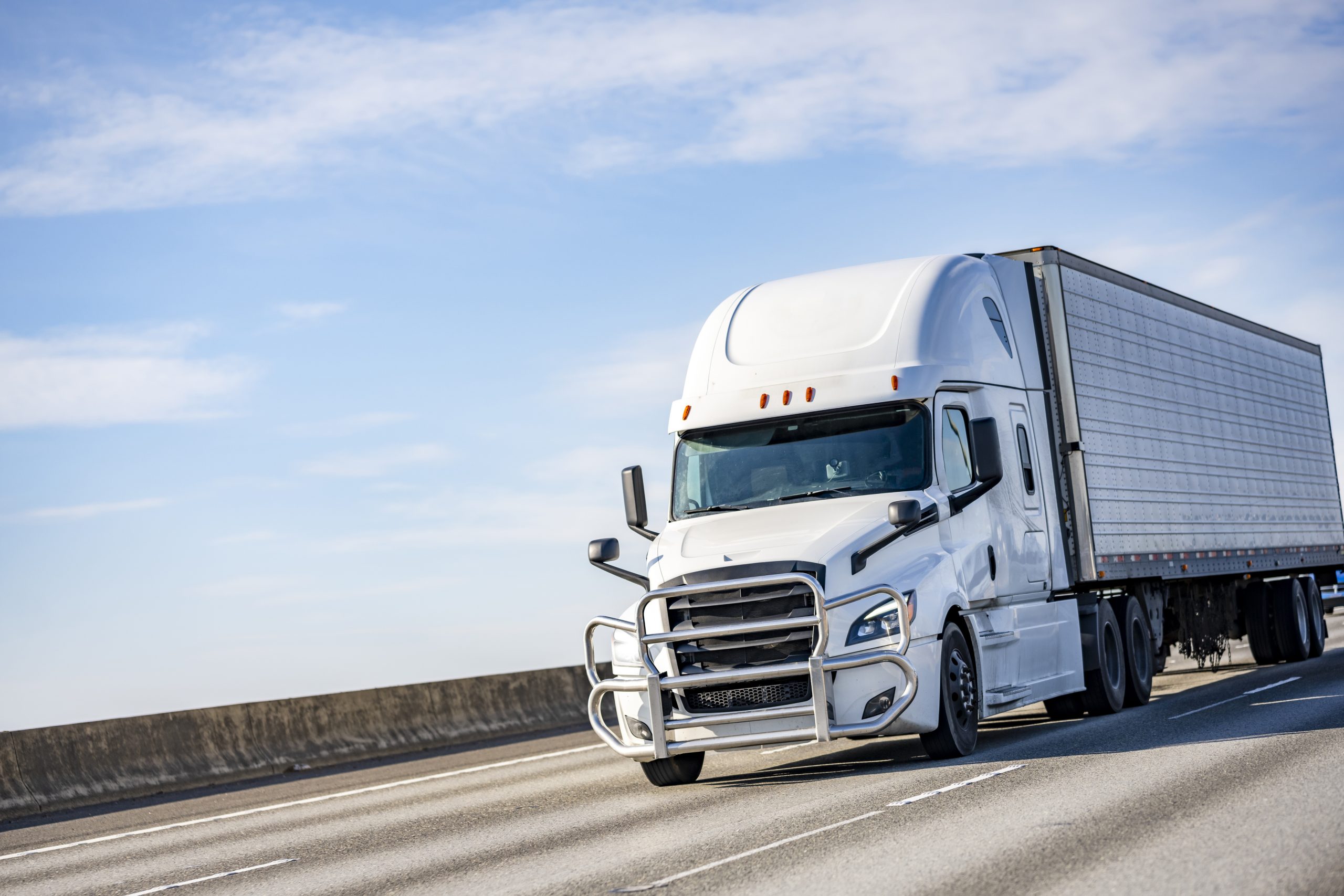
picture-of-a-commercial-truck-on -the-road

WHAT ARE THE DIFFERENT CLASSES OF COMMERCIAL VEHICLE?

Every industry today relies on commercial vehicles. Sectors like telecommunications, construction, food, and agriculture, to name a few, depend on these trucks to carry out daily operations. They aid in hauling, logistics, and transportation, making their operation efficient and fast.

These trucks are built differently to help accommodate these various needs. From dump trucks and tow trucks to semi-trucks, commercial vehicles come in different sizes and capabilities and are categorized into classes.

The Federal Highway Administration classifies all commercial vehicles into eight, ranging from light-duty, medium-duty, and heavy-duty. In this article, we break down these classifications, providing examples and models to give you a clear understanding of what each category entails.

WHAT IS A COMMERCIAL VEHICLE?

The Federal Motor Carrier Safety Administration defines commercial vehicles as self-propelled vehicles that operate on the highway, and are used to transport people and goods across states. Ideally, commercial trucks have a rating gross vehicle weight rating and are categorized based on various criteria to ensure appropriate usage, compliance with regulations, and safety standards. 

WHAT IS GROSS VEHICLE WEIGHT RATING (GVWR)?

Trucks in the United States are categorized by their Gross Vehicle Weight Rating (GVWR), often found inside the driver’s side door. The GVWR is the metric used to categorize vehicles based on their maximum loaded weight. 

In simple terms, it determines the total weight a truck can operate at. It is specified by calculating the vehicle’s weight at its fullest capacity, including fuel, cargo, complete passengers, and drivers.

CLASSIFICATION OF COMMERCIAL VEHICLES BY WEIGHT

Commercial vehicles are classified by weight, ranging from class 1-8. These are then sub-divided into three: light, medium, and heavy-duty. In this section, we will consider each category and their sub-divisions.

LIGHT DUTY VEHICLES

Light duty vehicles fall within the GVWR of 0-14,000 pounds. These are small trucks used for daily operations. They include vans and pickup trucks used for transporting light goods. They are broken down into three and expatiated below:

CLASS ONE (GVWR: 0 to 6,000 LBS)

These include small pickup trucks, SUVs, and minivans weighing up to 6,000 pounds (2,722kg). Class one trucks are more often utilized for personal uses to transport lightweight items, or for small-scale deliveries. Examples include the Ford Ranger and the Chevrolet Colorado.

CLASS TWO (GVWR: 6,001 to 10,000 LBS)

Class two vehicles include standard full-size and heavy-duty pickup trucks, larger SUVs, and some cargo vans. They are subdivided into 2A (6,001 – 8,500 pounds) and 2B (8,501 – 10,000). These trucks are used for moving heavier items and are used by different industries like construction and emergency services for ambulances. Popular examples include Ford F-150, and GMC Sierra 1500.

CLASS THREE (GVWR: 10,001 to 14,000 LBS.)

Vehicles like larger pickups, cargo vans, utility trucks, small box trucks, and school and city buses fall here. These trucks are often utilized by delivery services moving companies, construction, and maintenance. The Ford-350, RAM 250,0, and GMC Savana belong to this category. 

MEDIUM-DUTY VEHICLES

Medium-duty vehicles comprise classes three to six. They are built for more tedious tasks compared to the light-duty category. 

CLASS FOUR (GVWR: 14,001 – 16,000 LBS)

Class four trucks  have a GVWR within 14,001 to 16,000 lbs. They are used by various industries for transporting items like furniture, appliances and construction equipment. Examples include flatbed trucks, delivery trucks, and larger box trucks. The Ford-450, Chevrolet Silverado 4500HD, and Isuzu NPR-HD are popular models in this class. 

CLASS FIVE (GVWR:16,001 – 19,500 LBS)

In this category, you will find small-sized dump trucks, some school buses, large delivery trucks, and bucket trucks. They are popular in industries like waste management, and construction, among others. Examples of models in this include the Ford F-550, Chevrolet Silverado 5500HD, Freightliner M2 106, and the RAM 5500. 

CLASS SIX (GVWR: 19,501 – 26,000)

Vehicles in this division are built for transporting various items like food, beverages and some heavy construction or industry equipment. They include single-axle trucks, some school buses, and beverage trucks. Ford F-650, International MV607 and Peterbilt 220 fall into this category. 

HEAVY-DUTY VEHICLES

Heavy-duty vehicles are designed to handle heavy loads and perform tougher tasks. They are essential machinery commonly found in the logistics and transportation industry and comprise of Class 7 and 8 vehicles. Their GVWR ranges from 26,001 to above 33,000 pounds. 

CLASS SEVEN (GVWR: 26,001 and 33,000 LBS.)

Refuse trucks, cement mixers, and city transit buses are class seven vehicles. Not only can they handle some tough jobs, they are also rugged and can be relied on in situations that require high maneuverability and versatility. 

Examples of models you will find in this category include the Peterbilt 348, Mack Granite MHD, and the International HX. 

CLASS EIGHT (GVWR over 33,000 LBS.)

If you think class seven vehicles are tough wait till you discover the heaviest trucks in the eighth category. These trucks  are typically used for heavy hauling, mining, and large-scale construction projects. Think of cement trucks, dump trucks, and tractor-trailers. Examples include the Peterbilt 579,  Freightliner Cascadia, and the Kenworth T680. 

CONCLUSION

If you work in the trucking industry or aspiring to, then understanding the different classes of commercial vehicles is vital. It helps you navigate selecting the appropriate truck for the job. For example, while light-duty trucks are more suitable for local deliveries, they are not designed for long-haul freight and heavier cargo. Heavy-duty trucks are also not ideal if you’re transporting lighter loads as they consume more fuel and cost high to maintain. 

Ultimately, understanding vehicle classifications aids in budget considerations. The heavier the truck, the higher the expenses. By properly aligning your class of vehicle with your business needs, you can conveniently plan for financing and save costs. The good thing is that Inspired Funding helps truckers to get the best commercial truck financing. With just one contact, you can get the financial support you need to purchase the right truck for your business.

ABOUT INSPIRED FUNDING

If you’re looking for the best financing for your truck business, Inspired Funding is here for you. With tailored financing plans and a range of flexible options, we make it easy for you to get the truck you need and make paying for it a breeze.

Inspired Funding has been helping businesses finance various commercial vehicles, including semi-truckscargo vansdump trucks, and other essential heavy equipment to keep your business moving. We offer competitive interest rates and affordable down payments to fit your budget.

Worried about credit? No problem! We can help you navigate credit score challenges by providing financing solutions designed to get you on the road faster.

Ready to finance a bulldog or a dragon wagon? Give us a call today to get started!