
277 Fairfield Rd Ste 310- Fairfield, NJ 07004
Logo for Inspired Funding - Commercial Truck Financing
277 Fairfield Rd Ste
310- Fairfield, NJ 07004

Archives August 2026

New vs Used Semi Financing: What Fits Your Run?

New vs Used Semi Financing: What Fits Your Run?

A truck can put you in the driver’s seat of your own business, but the wrong payment or repair bill can squeeze your cash flow before you get momentum. That is why new vs used semi financing is not just a question of which truck looks better on the lot. It is a decision about your routes, contracts, maintenance tolerance, available down payment, and growth plan.

For some owner-operators, a newer truck provides the reliability and warranty coverage needed to take on consistent long-haul work. For others, a well-maintained used truck creates a lower-cost entry into ownership and leaves more cash available for fuel, insurance, permits, and working capital. The right answer depends on how you plan to run your business.

New vs Used Semi Financing Comes Down to Cash Flow

A new semi usually comes with a higher purchase price, which often means a larger financed amount and higher monthly payment. In exchange, you may get current fuel-efficiency technology, fewer immediate maintenance concerns, a factory warranty, and a truck with a longer expected service life.

That can be a strong fit if you have steady freight, a dependable contract, or a clear plan to run enough miles to support the payment. A newer unit can also help you avoid the downtime that comes with major early repairs. When a truck is your income-producing asset, every day parked in a shop can cost more than the repair itself.

A used semi typically costs less upfront, which can bring your monthly payment down. That lower payment may give a first-time owner-operator more room to handle insurance, fuel swings, tires, maintenance, and slow-paying invoices. If your priority is getting into a truck without stretching your budget too thin, used equipment can be a smart business move.

But the lower price is not the whole story. An older truck may have more miles, less warranty protection, and a greater chance of needing repairs sooner. The best used truck is not always the cheapest one. It is the one with service records, a solid inspection, a condition that matches its price, and enough remaining life to make your financing worthwhile.

When Financing a New Semi Makes Sense

New semi financing can be a practical choice when reliability is central to your operation. If you are hauling time-sensitive freight, building relationships with shippers, or adding a truck to an active fleet, a newer unit can give you more predictability.

A new truck may make sense when you want lower expected repair costs during the early ownership period and warranty coverage that helps manage the risk of major component issues. Newer equipment can also offer improved fuel economy, updated safety features, and technology that supports driver comfort on long runs.

The trade-off is commitment. Your payment needs to work when rates soften, a load cancels, or a customer pays later than expected. Before choosing a new truck, look beyond the payment shown on a sales sheet. Estimate your weekly truck note, insurance, fuel, maintenance reserve, permits, tolls, and personal draw. Then compare that number against realistic revenue, not your best month ever.

A new truck can support growth, but only if the business has enough room to carry it.

New equipment can strengthen fleet planning

Fleet owners often prefer newer equipment because it can create a more consistent maintenance schedule across multiple units. Standardizing trucks may simplify parts planning, driver assignments, and resale decisions later. It can also help a growing company present a dependable image to customers and drivers.

That does not mean every fleet needs brand-new trucks. It means the cost of downtime, shop coordination, and inconsistent equipment should be part of the decision.

When Financing a Used Semi Is the Better Move

Used semi financing can be the better path when you want to protect cash flow and build your business at a manageable pace. Many successful owner-operators start with used equipment because it allows them to enter ownership without taking on the highest possible monthly obligation.

A used truck may be a strong fit if you are moving from company driving into your first truck, testing a new authority, or adding capacity carefully. A lower purchase price can reduce the amount financed and may help preserve cash for the expenses that arrive as soon as you start operating.

That reserve matters. Down payments are only one part of becoming an owner. You still need money for insurance deposits, tags, IFTA, fuel cards, repairs, tires, and the gaps between delivering a load and getting paid. Buying a less expensive truck can be the right call if it keeps your overall operation healthier.

The key is condition. Mileage matters, but maintenance history often matters more. Ask for service documentation, check the engine and aftertreatment history, review tire and brake condition, and have the truck inspected by a qualified mechanic before you commit. A pre-purchase inspection is a business expense that can prevent an expensive mistake.

Do not finance a repair problem

A used truck with a low sticker price can still become an expensive asset if it needs an engine rebuild, transmission work, emissions repairs, or multiple deferred maintenance items. Build a repair reserve into your plan from day one. If the payment is affordable only when nothing goes wrong, the payment is not truly affordable.

Down Payment, Credit, and Approval Expectations

Whether you choose new or used, your financing structure matters as much as the truck itself. A larger down payment can lower the financed balance and monthly payment, but draining all your cash for a down payment can leave you exposed after closing.

The goal is balance. Put enough down to create a workable approval and payment structure, while keeping enough operating capital to run the truck. For qualified buyers, programs may offer down payments starting at 10%, depending on the truck, time in business, credit profile, and overall deal strength.

Traditional banks often focus heavily on credit scores, long business histories, and extensive documentation. Trucking entrepreneurs do not always fit that mold. A driver may have the experience to run profitably but limited time as an owner, imperfect credit, or a nontraditional financial profile.

That should not automatically stop the plan. Specialized commercial vehicle financing looks at the full opportunity, including the equipment, your experience, your income plan, and the strength of the transaction. No minimum FICO score requirement does not mean every deal is approved, but it does mean a past credit challenge does not have to end the conversation.

Choose the Truck That Matches Your Work

Before you apply, get specific about the work the truck will do. A long-haul owner-operator may prioritize a sleeper cab, fuel efficiency, and driver comfort. A regional carrier may need a day cab with lower acquisition costs. A dump truck operation, specialized trailer setup, or local delivery route has its own equipment demands.

Your truck should fit the freight before it fits the financing payment. A low payment on the wrong configuration can limit the loads you can take. On the other hand, paying extra for features you will not use can slow your return on investment.

Think through these practical questions: How many miles will you run each week? Do you have a contract or a reliable load source? What is your expected gross revenue? How much can you set aside for maintenance each month? Are you buying one truck to start, or building toward a fleet?

Your answers will point you toward the right lane. New equipment may give you confidence to pursue higher-mileage, reliability-sensitive work. Used equipment may give you flexibility to start lean, learn the ownership side of trucking, and grow from the cash flow you create.

Move Forward With a Financing Plan, Not a Guess

The best financing decision is the one that keeps your truck moving and your business in control. Do not choose new just because it feels safer, and do not choose used just because the sticker price is lower. Compare the total payment, expected maintenance, available warranty, down payment, operating reserve, and income opportunity.

Inspired Funding helps trucking professionals pursue financing built around real business goals, including first-time ownership, challenged credit, and fleet expansion. Fast pre-approval can help you shop with a clearer budget and move when the right truck becomes available.

The truck you finance should create opportunity, not pressure. Choose the unit and payment that leave room for fuel, repairs, growth, and the next load that moves your business forward.


Work Truck Loan Options That Move Your Business

Work Truck Loan Options That Move Your Business

A work truck is not just another purchase. It is the unit that gets crews to the jobsite, carries tools and materials, pulls equipment, and creates billable hours. The right work truck loan options can help you put that asset to work without draining the cash you need for payroll, fuel, insurance, repairs, and the next opportunity.

For an owner-operator, contractor, or growing fleet, the goal is not simply getting approved. It is choosing a payment structure that supports your operation from the first month onward. That means looking beyond the advertised rate and understanding the down payment, term length, truck condition, lender requirements, and total cost of financing.

Which Work Truck Loan Options Fit Your Operation?

The best financing path depends on the truck you need, how long you plan to keep it, your available cash, and the strength of your business profile. A newer utility truck with a predictable service history may qualify differently than an older dump truck, a custom service body, or a work truck being purchased by a first-time business owner.

Commercial equipment loans

A commercial equipment loan is one of the most direct ways to finance a work truck. The truck usually serves as collateral, and once the loan is paid off, you own the asset outright. This can be a strong fit when you expect to keep the truck for years and want to build equity in equipment that supports your business.

Loan terms often vary based on the truck’s age, mileage, purchase price, and intended use. A longer term can lower the monthly payment, which may protect your cash flow. The trade-off is that a longer term generally means more interest paid over time. The right payment is one your business can carry during slow periods, not only during your best month.

Bank and credit union financing

Banks and credit unions can offer competitive terms to borrowers with established credit, strong financial records, and sufficient money for a down payment. If your business has steady deposits, a history of profitable operations, and clean credit, this route may be worth comparing.

The downside is that traditional lenders can be strict. They may require detailed financial documentation, business history, strong personal credit, and a truck that meets their age and mileage limits. Their process can also take longer than a specialized commercial financing program. That delay matters when a contractor has a job lined up or a fleet has a driver waiting for a unit.

Specialized commercial vehicle financing

Specialized lenders focus on the assets and income realities behind commercial transportation and service businesses. That can make a meaningful difference for borrowers who do not fit a bank’s standard approval box, including newer business owners, applicants with challenged credit, and buyers with limited financing experience.

These programs may offer lower down payment options, more flexibility around credit history, and faster approval decisions. At Inspired Funding, qualifying borrowers can access programs with down payments starting at 10%, and there is no minimum FICO score requirement. Approval still depends on the full application, the truck, available documentation, and the overall ability to support the payment, but imperfect credit does not have to end the conversation.

Dealer-arranged financing

Many dealers offer financing through their lending partners. This can be convenient because the vehicle purchase and financing process happen in one place. For a buyer who needs to move quickly, dealer financing may provide a fast path from selecting a truck to taking delivery.

Convenience should not replace comparison. Ask for the full payment details, loan term, down payment, fees, and whether there is a prepayment penalty. You should also know whether the financing is tied to that dealer’s inventory. A dealership-agnostic financing option can give you more freedom to choose the work truck, body style, and seller that best fit the job.

Lease financing

A lease can provide lower upfront costs or a more manageable monthly payment in some situations. It may work for businesses that want to upgrade equipment frequently or preserve capital for operations. But lease terms deserve close attention, especially if you expect to put high mileage on the truck or need to customize it with racks, tool storage, liftgates, service bodies, or towing equipment.

Before signing, confirm who is responsible for maintenance, whether mileage limits apply, what happens at the end of the lease, and whether you have a purchase option. Leasing can be useful, but ownership financing is often a better fit when the truck will be a long-term, heavily used business asset.

Working capital alongside truck financing

A truck payment is only one part of putting a new unit into service. Insurance deposits, registration, tax, fuel, equipment, repairs, and payroll can create pressure before the truck generates its first dollar. Some businesses use working capital to cover those startup or expansion costs while keeping the vehicle loan focused on the truck itself.

This approach can make sense when it protects operational cash. It does not make sense if it pushes the business into payments that its current revenue cannot support. Match your funding plan to a real operating budget, not just the amount a lender may be willing to approve.

What Lenders Look for Beyond Your Credit Score

Credit matters, but it is rarely the whole picture in commercial vehicle financing. Lenders also consider the value and condition of the truck, your down payment, the type of work you perform, time in business, bank activity, and the expected payment relative to your income.

A first-time buyer may not have years of business tax returns, but they may have industry experience, a commercial driver’s license, a job pipeline, or verifiable income that helps tell the story. An established contractor may have uneven credit after a difficult year but still show steady invoices and demand for services. The strongest application makes it easy to see how the truck will produce revenue.

The truck itself also matters. A well-maintained late-model unit may be easier to finance than an older truck with high mileage or a complicated title history. If you are buying used, review maintenance records, inspect the truck carefully, and confirm that the purchase price matches its condition and market value. A cheap truck can become an expensive decision if it spends more time in the shop than on the road.

Choose a Payment That Leaves Room to Operate

Do not choose a loan based on monthly payment alone. A low payment can come from stretching the term, while a short term may create a payment that is unnecessarily hard on your cash flow. Look at the full picture: total financed amount, rate, term, down payment, fees, insurance cost, and the income the truck is expected to generate.

Start with a conservative monthly revenue estimate. Then subtract fuel, labor, maintenance, insurance, permits, taxes, and other fixed expenses. The remaining margin needs to cover the truck payment while leaving room for unexpected repairs and slower weeks. If the numbers only work under perfect conditions, the payment is too aggressive.

A larger down payment can reduce the loan balance and monthly obligation, but do not put every available dollar into the purchase. Keeping a reserve for repairs, insurance, and operating expenses may be more valuable than shaving a small amount off the payment. The best structure balances ownership, affordability, and working cash.

Prepare for a Faster Approval Process

A clean, complete application helps financing move faster. Have your driver’s license or identification, business information, proof of income or bank statements, and details on the truck you want to buy ready before you apply. If you already have a buyer’s order, VIN, mileage, year, and seller information, provide them upfront.

Be direct about your credit history and your business stage. The right financing partner is not looking for a perfect story. They are looking for a workable deal with an asset that supports your operation. Accurate information avoids back-and-forth, gives the lender a clearer picture, and gets you closer to a decision.

If you are comparing offers, compare the same numbers. One lender may show a lower payment because the term is longer. Another may require more down but offer a lower total cost. Ask questions until you understand what you are signing and how the payment fits your plan.

The right truck can help you take on larger jobs, serve more customers, and stop relying on equipment that limits your schedule. Choose financing that gives your business room to work, then put that truck on the road and let it earn its place in your operation.


How to Get Trucking Working Capital Fast

How to Get Trucking Working Capital Fast

A truck can be booked solid and still leave you short on cash. Fuel cards come due before a broker releases payment. A repair cannot wait for a 30-day invoice cycle. Insurance deposits, tires, payroll, permits, and unexpected downtime all hit on their own schedule. That is why knowing how to get trucking working capital is about more than finding a loan. It is about keeping your business moving when revenue is on the road but cash is not yet in the bank.

For an owner-operator or growing fleet, working capital can create room to accept better loads, cover operating costs, and avoid making desperate decisions when a truck needs attention. The right funding should support the work you are already positioned to do, not create a payment that strains every mile you run.

Start With the Real Cash Gap

Before applying, get specific about what the money needs to cover and how long you need it. Working capital is generally meant for short-term business needs: fuel, maintenance, payroll, insurance, dispatch expenses, registration, parts, or deposits tied to new work. It is different from financing a semi truck, trailer, or major piece of equipment, which is usually paid back over a longer term.

Look at the next 30, 60, and 90 days. Add your fixed costs, estimated fuel, scheduled repairs, insurance, driver pay, and any large annual or quarterly expenses. Then compare that number to when your invoices are actually expected to pay. The difference is your working-capital need.

Do not automatically request the biggest amount available. Too little funding may not solve the problem. Too much can create a payment that cuts into your operating margin. A clear request tells a lender that you understand your business and have a plan for using the funds.

Example: A profitable business can still be cash-tight

Say you have $18,000 in invoices expected over the next month, but your immediate expenses total $11,000. If the invoices will not clear for three or four weeks, you may need capital now for fuel, insurance, and a repair that keeps your truck dispatchable. The business may be profitable on paper. The issue is timing.

That distinction matters. Lenders and funding partners want to see that capital will help generate or protect revenue, not simply cover an ongoing loss with no path forward.

How to Get Trucking Working Capital With a Strong Application

The fastest path to a decision is preparation. You do not need to have perfect credit or years of business history to pursue funding, but you do need to present a complete picture of your operation.

Have your basic business information ready: your legal business name, EIN, business address, phone number, and the date you began operating. Be ready to show your CDL or relevant trucking credentials if requested, along with your authority details, insurance information, and equipment list. If you are an owner-operator, explain whether you own your truck, are financing it, or are leasing it.

Most lenders will also want to understand your revenue and banking activity. Recent business bank statements, invoices, rate confirmations, settlement sheets, tax returns, and profit-and-loss statements can all help show that loads are moving and revenue is coming in. The exact documents depend on the type of funding and the lender’s underwriting process.

Credit can be part of the review, but it should not stop you from applying. A lower score may affect available terms, down payment requirements, rate, or funding amount. It does not always mean the answer is no. Trucking businesses are often evaluated on the full operating picture, including equipment, revenue potential, time in business, and the strength of the proposed plan.

Be direct about past credit challenges if they appear on your file. A lender can work with a real explanation, such as a medical event, job loss, or a past business setback. What raises concerns is an application that does not match the documents or leaves obvious questions unanswered.

Choose the Funding Type That Fits the Job

Working capital is not one product. The right option depends on your cash cycle, the reason for the funds, and what your business can comfortably repay.

A short-term working capital loan can make sense when you have a defined need and a clear repayment source. For example, you may need to cover a repair, renew insurance, or take on a contracted run that requires upfront fuel and driver expenses. The key is knowing how the payment will fit alongside your existing truck note and normal operating costs.

A business line of credit can be useful for recurring gaps. Instead of taking one lump sum for every expense, you may draw funds when needed and repay as invoices clear. This can be a practical fit for established businesses with regular revenue, though approvals and limits often depend on credit, time in business, and financial records.

Invoice factoring is another option when your biggest problem is slow-paying customers. A factoring company advances part of the value of eligible invoices, then collects when the customer pays. It can improve cash flow quickly, but fees and contract terms matter. Review whether there is a minimum volume requirement, a long-term agreement, or recourse provisions that leave you responsible if a customer does not pay.

Equipment financing can sometimes preserve working capital by financing the truck, trailer, or necessary upgrade separately rather than draining cash reserves. If a new unit will produce revenue, keeping more cash available for fuel, repairs, and insurance can be a smart business move. The trade-off is another monthly obligation, so the projected revenue must support it.

Show Lenders Why the Capital Will Produce Results

Your application becomes stronger when the use of funds connects to revenue. “I need money for my business” is vague. “I need $15,000 to repair a truck, cover insurance, and run contracted freight over the next 45 days” gives the lender a business case.

If you are expanding, show the opportunity. Maybe you have a driver ready to run an additional truck, a customer offering more lanes, or a seasonal contract that requires higher upfront fuel costs. If you are stabilizing after a breakdown, explain how the repair gets a revenue-producing asset back on the road.

You should also know your numbers. Estimate weekly revenue, fuel cost, insurance, truck payment, maintenance reserve, driver pay, and debt payments. You do not need a complicated financial model. You do need to demonstrate that you can make the payment without relying on best-case freight rates every week.

For newer operators, a realistic dispatch plan can help. Identify the lanes you expect to run, the equipment you have or plan to acquire, and the type of freight you are qualified to haul. New authority can make funding more challenging, but it does not erase the value of a clear operating plan.

Avoid Funding That Creates a Bigger Problem

Fast money is not always good money. When cash is tight, it is tempting to accept the first offer without reviewing the total cost, payment frequency, collateral requirements, and penalties. A daily or weekly payment may work for a high-volume operation with predictable deposits, but it can pressure a business that receives larger payments less often.

Ask what the total repayment will be, not only the monthly payment. Confirm whether there are origination fees, prepayment penalties, personal guarantees, liens on equipment, or automatic withdrawals from your bank account. Read the agreement carefully before signing.

Be cautious of using working capital to cover a long-running shortfall. If every month ends with more bills than revenue, another advance may only delay the problem. In that situation, examine rates, deadhead miles, maintenance habits, customer payment terms, and equipment reliability. Capital works best when it supports a plan to improve operations, not when it replaces one.

Improve Your Approval Position Before You Need Cash

The best time to build funding readiness is before a breakdown or slow-paying customer puts you under pressure. Keep business and personal finances separate. Deposit freight revenue into a business bank account, pay business expenses from that account, and keep records organized. This makes it easier to show a lender how your operation performs.

Build a maintenance reserve whenever possible, even if it starts small. Set aside a portion of each settlement for tires, preventive service, and repairs. Track invoices and follow up on late payments quickly. If a broker or customer consistently pays slowly, price that delay into your planning or consider whether factoring fits your operation.

Finally, protect the income-producing assets you already have. Staying current on insurance, registration, preventive maintenance, and truck payments does more than avoid disruption. It shows that your business can manage responsibility when you apply for additional capital.

If you are ready to put a truck on the road, replace an aging unit, or keep cash available for the expenses that come with growth, Inspired Funding can help you explore financing built around the realities of trucking. The goal is not just approval. It is putting you in a position to run stronger, earn more, and keep control of the business you are building.

Working capital should give you breathing room with a purpose. Know the number you need, know what it will produce, and choose a payment structure your operation can carry. When the right opportunity calls, you will be ready to answer with a truck that is fueled, maintained, and moving.


How to Finance a Sleeper Cab and Grow Your Business

How to Finance a Sleeper Cab and Grow Your Business

A sleeper cab is more than a truck with a bed behind the seats. It is a business tool that can keep you on longer runs, reduce hotel costs, and give you more control over the freight you can take. If you are ready to finance a sleeper cab, the right funding plan can turn that next truck from a distant goal into a revenue-producing asset.

For many drivers, the challenge is not whether a sleeper truck can make money. The challenge is finding a financing partner that looks beyond a perfect credit score, a large cash reserve, or years of business history. That is where specialized commercial vehicle financing can make a real difference.

Why Finance a Sleeper Cab Instead of Waiting

Waiting until you can pay cash for a sleeper cab may sound financially safe, but it can also keep your business parked. While you wait, you may miss dedicated lanes, longer-haul opportunities, and the flexibility to choose loads that better match your income goals.

Financing lets you preserve working capital for the expenses that arrive as soon as the truck starts rolling: insurance, authority costs, fuel, repairs, permits, tires, and the first few weeks of operating expenses. The goal is not simply to get approved for a truck. It is to get into a truck while keeping enough cash available to run the business behind it.

A sleeper cab can be especially practical for owner-operators who plan to stay out several nights at a time. It may also make sense for a fleet owner adding a unit for an experienced driver or for an investor building a trucking operation around regional and over-the-road freight. The right fit depends on your lanes, your home-time priorities, freight rates, and operating costs.

What Lenders Look at When You Finance a Sleeper Cab

Traditional banks often focus heavily on credit scores, long operating histories, and extensive financial documentation. Commercial truck financing is different because the asset itself has value and is built to generate income. A lender still reviews your application, but the process can be designed around the realities of trucking.

Your credit profile matters, but it is not the whole story. Financing programs may be available for first-time buyers, owner-operators with challenged credit, and established fleet owners. A no-minimum-FICO approach does not mean every application receives the same terms. It means an imperfect score should not automatically stop you from pursuing ownership.

The truck matters, too. Lenders may consider the sleeper cab’s age, mileage, condition, make, model, purchase price, and expected resale value. A well-maintained used truck can be a strong option when it fits your budget and operational plan. A newer unit may offer warranty protection and fewer early repair concerns, but it generally carries a higher payment.

Your down payment is another key part of the deal. A larger down payment can reduce the amount financed and may improve the terms available to you. But draining every dollar you have to make the biggest possible down payment can create problems later. Programs with down payments starting at 10% can help qualified buyers protect more cash for startup and operating needs.

Start With the Payment Your Business Can Support

The purchase price is only one number. Before choosing a truck, build your monthly budget around the full cost of ownership. Your truck payment needs to work alongside fuel, insurance, maintenance, registration, tolls, factoring fees, parking, taxes, and personal expenses.

Look at your expected weekly revenue conservatively. Do not build your payment around one unusually strong load board week. Think about what happens during slower freight periods, a breakdown, or time off the road. A sleeper cab should give your business more earning capacity, not put it under pressure every month.

Consider the trade-off between a lower-priced older truck and a higher-priced newer one. An older cab can reduce the initial financing amount, but it may bring more maintenance risk. A newer truck may cost more each month, yet its warranty, fuel efficiency, and reliability can support a more predictable operation. There is no universal right answer. The smart choice is the one that fits your lanes, repair reserves, and planned revenue.

Prepare for a Faster Sleeper Cab Financing Approval

You do not need to have every business detail perfectly polished before applying, but being organized helps move the process forward. Have a clear idea of the type of sleeper cab you want, your budget range, and the down payment you can realistically provide.

Be ready to share standard identification and business information, along with details about the truck once you find one. Depending on your situation, the financing team may also request proof of income, bank statements, commercial driving experience, business documents, or a purchase order from the seller.

If you are a first-time owner-operator, explain your plan with confidence. Your driving history, carrier relationships, booked work, or knowledge of a profitable lane can help show that you understand how the truck will earn. If you already operate trucks, show the business case for adding another unit: a driver ready to run, steady demand from a customer, or an expansion into a new lane.

Pre-approval can be useful because it gives you a working budget before you shop. That helps you move quickly when you find a truck that meets your needs, whether it is at a dealership, through a private seller, or from another source. It also keeps you from spending time negotiating on equipment that does not fit your funding range.

Watch for the Details That Affect Your Real Cost

A low monthly payment can look attractive, but it should never be the only reason you choose a financing offer. Review the term length, down payment, total amount financed, payment schedule, and any documentation or origination charges. Ask what happens if you want to pay early or refinance later as your credit and business strengthen.

Also make sure the truck’s condition supports the payment you are taking on. A pre-purchase inspection is not a luxury, especially with a used sleeper cab. Engine performance, emissions components, transmission condition, tires, brakes, and maintenance records can all affect how soon you may face major expenses.

The best deal is not always the one with the lowest upfront cash requirement. It is the deal that gets you into a dependable truck with a payment your business can carry and enough available capital to stay on the road.

Turn the Truck Into a Growth Asset

Once you finance a sleeper cab, treat it like the income-producing asset it is. Keep maintenance records, track cost per mile, set aside a repair reserve, and protect your payment history. Strong on-time payment performance can put you in a better position when you want to refinance, upgrade equipment, or add another truck.

Use the sleeper’s capabilities intentionally. Longer runs can create more opportunity, but only if the rates, deadhead, fuel plan, and home time make sense. A truck that stays moving on profitable freight builds equity and operating history. A truck that runs hard on weak rates can create cash-flow stress no matter how good the financing terms looked at signing.

Inspired Funding works with trucking professionals who are ready to stop letting conventional lending barriers dictate their next move. Whether you are leaving company driving, replacing an aging unit, or expanding a fleet, a practical financing plan can help you get behind the wheel sooner.

Your next sleeper cab should support the business you want to build, not just solve a short-term equipment problem. Bring a realistic budget, choose a truck you can operate confidently, and pursue funding that leaves room for the miles ahead.


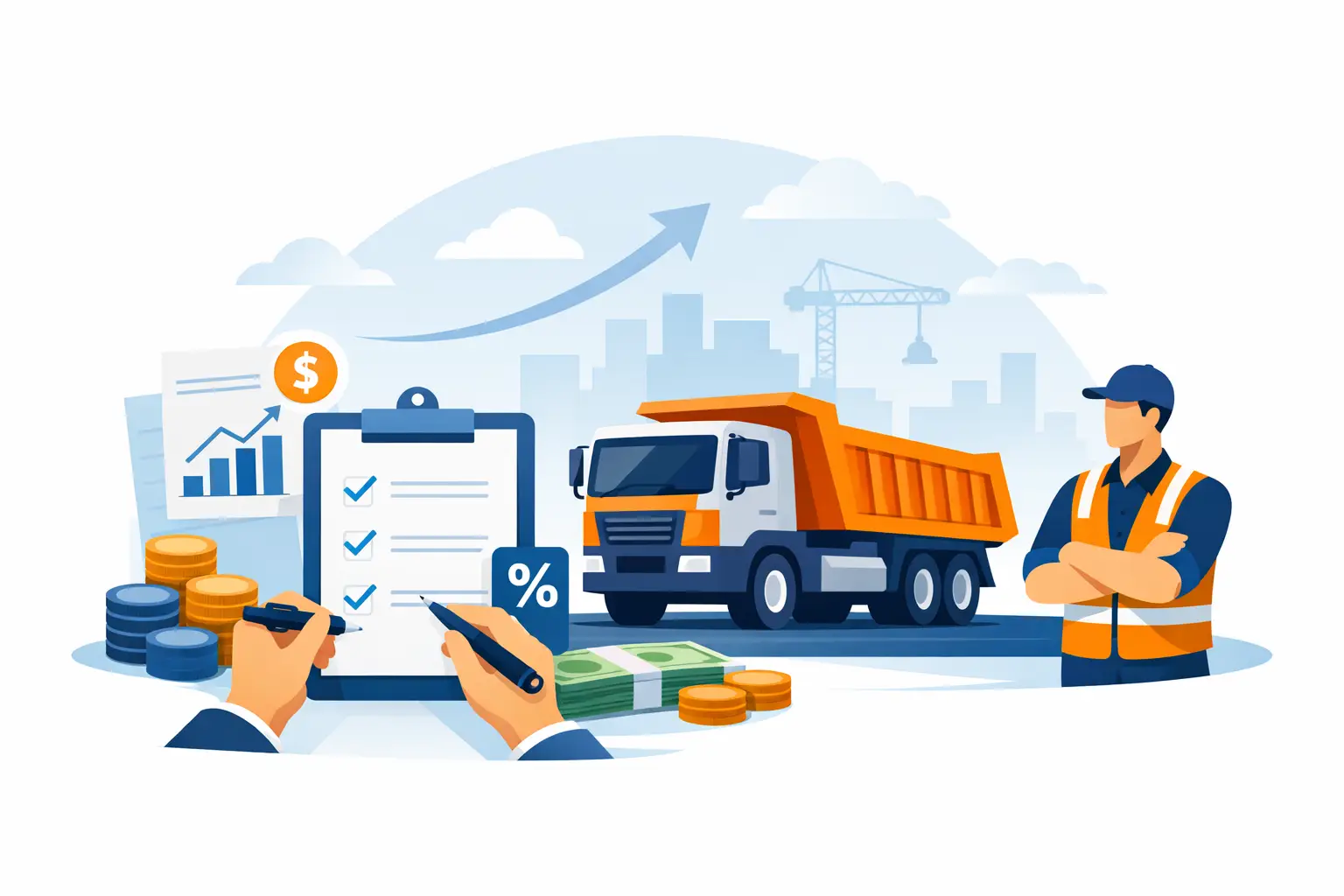
Best Lenders for Dump Trucks for Owner-Operators

Best Lenders for Dump Trucks for Owner-Operators

A dump truck can put your business on a stronger earning path, but only if the financing leaves enough room for fuel, insurance, repairs, payroll, and the slow weeks between jobs. The best lenders for dump trucks are not always the ones advertising the lowest rate. They are the lenders that understand commercial equipment, look at the income opportunity behind the truck, and offer terms your operation can realistically carry.

For an owner-operator breaking into hauling or a contractor adding capacity, the right financing can mean getting on the road while the work is available. The wrong deal can tie up your cash before the first load is delivered. Here is what separates a lender that helps you grow from one that simply approves a loan.

What the Best Lenders for Dump Trucks Look For

Dump truck financing is different from a personal auto loan. A lender is evaluating an income-producing asset, the borrower behind it, and the practical risk of the deal. They will consider the truck’s age, condition, mileage, purchase price, and expected resale value. They also look at your credit profile, time in business, cash available for a down payment, and ability to make the monthly payment.

Traditional banks often favor borrowers with strong credit, established business financials, and substantial cash reserves. That can work well for a mature construction company with years of bank statements and a clean borrowing record. It is often a tougher path for a first-time buyer, a newer hauling business, or an operator rebuilding credit.

Specialized commercial vehicle lenders take a more practical view. They know a well-chosen dump truck can generate revenue quickly when the borrower has a real operating plan. That does not mean approval is automatic. It means the lender may have more flexibility to match the program to the buyer, equipment, and business opportunity.

Compare the Deal, Not Just the Payment

A low monthly payment can look attractive until you see the full cost of financing or discover the term keeps you upside down on the truck. Compare each offer as a complete business decision.

Start with the down payment. A larger down payment may lower the payment and total financing cost, but it should not drain the funds you need to operate. Dump truck work has upfront expenses. You may need commercial insurance, tags, repairs, fuel, permits, a dispatch setup, or working capital before customer payments begin. Keeping cash in the business can be more valuable than putting every available dollar into the purchase.

Then look at the loan term. Longer terms can improve monthly cash flow, which matters when work is seasonal or customers pay on net terms. The trade-off is that you may pay more over time. Shorter terms build equity faster but create a higher monthly obligation. The right answer depends on your contract pipeline, operating margin, and how long you expect to keep the truck.

Also ask how the lender handles older equipment. Some lenders limit financing to newer trucks or impose strict mileage caps. Others can consider used dump trucks that still have strong working life and market value. If you are buying a truck from a private seller, confirm that the lender supports that type of transaction before spending money on inspections or deposits.

Choose a Lender That Understands Your Situation

The best financing source depends on where your business stands today. There is no single lender that is best for every dump truck buyer.

Established businesses with strong financials

A bank or credit union may be worth considering if you have solid credit, several years in business, dependable revenue, and time to work through a more detailed application process. These lenders can sometimes offer competitive terms, particularly for newer equipment. Their underwriting rules may be less forgiving, however, if the truck is older, your business is new, or your credit history has recent challenges.

First-time owner-operators

If you are moving from driving for someone else into ownership, look for a lender that finances first-time commercial buyers. You may not have years of business tax returns, but you may have driving experience, a clear plan for finding work, and income that supports the payment. A lender familiar with trucking can help you understand what documents matter and what truck price range fits your approval.

Borrowers with challenged credit

Credit challenges should not automatically stop a sound business plan. Specialized lenders may offer programs that do not rely on a minimum FICO score alone. Expect the lender to look more closely at the deal, and understand that a larger down payment, a more affordable truck, or additional documentation may improve your options.

The goal is not to accept the first approval out of frustration. It is to find a payment and structure that give you a real chance to build stronger credit and equity through consistent performance.

Growing fleets and contractors

Fleet owners and construction businesses need more than a one-truck transaction. They need a funding partner that can move when another contract, route, or project creates demand. Speed matters, but so does consistency. A lender that understands fleet growth can help you plan purchases around revenue rather than forcing you to wait until a competitor takes the work.

Questions to Ask Before You Apply

Before submitting an application, get clear answers about the terms and process. Ask whether the lender finances the specific truck you want, including its model year, mileage, and seller type. Ask what down payment is required, whether there are prepayment penalties, and how long funding typically takes after approval.

You should also ask whether the lender can provide a pre-approval. Pre-approval gives you a realistic budget before you negotiate with a dealer or seller. It can keep you from chasing a truck that does not fit your financing profile, and it lets you move faster when you find the right unit.

Do not overlook fees. Origination fees, documentation fees, insurance requirements, and other costs can affect how much cash you need at closing. A good lender explains these numbers directly. You should know the estimated payment, total cash due, and next steps before you commit.

Prepare for a Faster, Stronger Application

Getting organized before you apply helps a lender assess your deal quickly. Have your driver’s license, business information, proof of income or bank statements, and details about the truck available. If you have a quote or buyer’s order, include the purchase price, VIN, year, make, model, and mileage.

It also helps to show how the truck will make money. You do not need a complicated presentation. Be ready to explain your hauling experience, current or expected customers, local demand, and whether you have contracts, dispatch relationships, or work lined up. Lenders want to see that the purchase is connected to a practical revenue plan.

Be honest about your credit and cash position. Surprises slow down approvals. The right financing partner can often suggest a better truck price range or loan structure when they understand the full picture from the start.

Financing Should Support the Work Ahead

A dump truck is not just equipment. It is capacity: more loads, more control over your schedule, and a chance to build an asset instead of paying someone else to haul. Financing should support that opportunity without putting your operation under unnecessary pressure.

Inspired Funding helps commercial buyers pursue dump truck financing with low down payments starting at 10%, fast approval options, and programs built for first-time buyers, owner-operators, challenged-credit applicants, and growing fleets. Funding is available across all 50 states, and you can use a dealer or pursue the truck that fits your business.

The strongest move is to start with a payment your business can sustain, a truck that matches the work you can win, and a lender that treats your next unit as part of your growth plan. When the right truck and the right funding come together, you are in a better position to take control of the jobs ahead.