

What Is Commercial Vehicle Financing?
A lot of trucking businesses stall out for one reason – the work is there, but the equipment is not. You may have loads available, a route lined up, or a plan to move from company driver to owner-operator, but without the right truck, trailer, or work vehicle, growth stays on hold. That is exactly where what is commercial vehicle financing becomes a practical business question, not just a lending term.
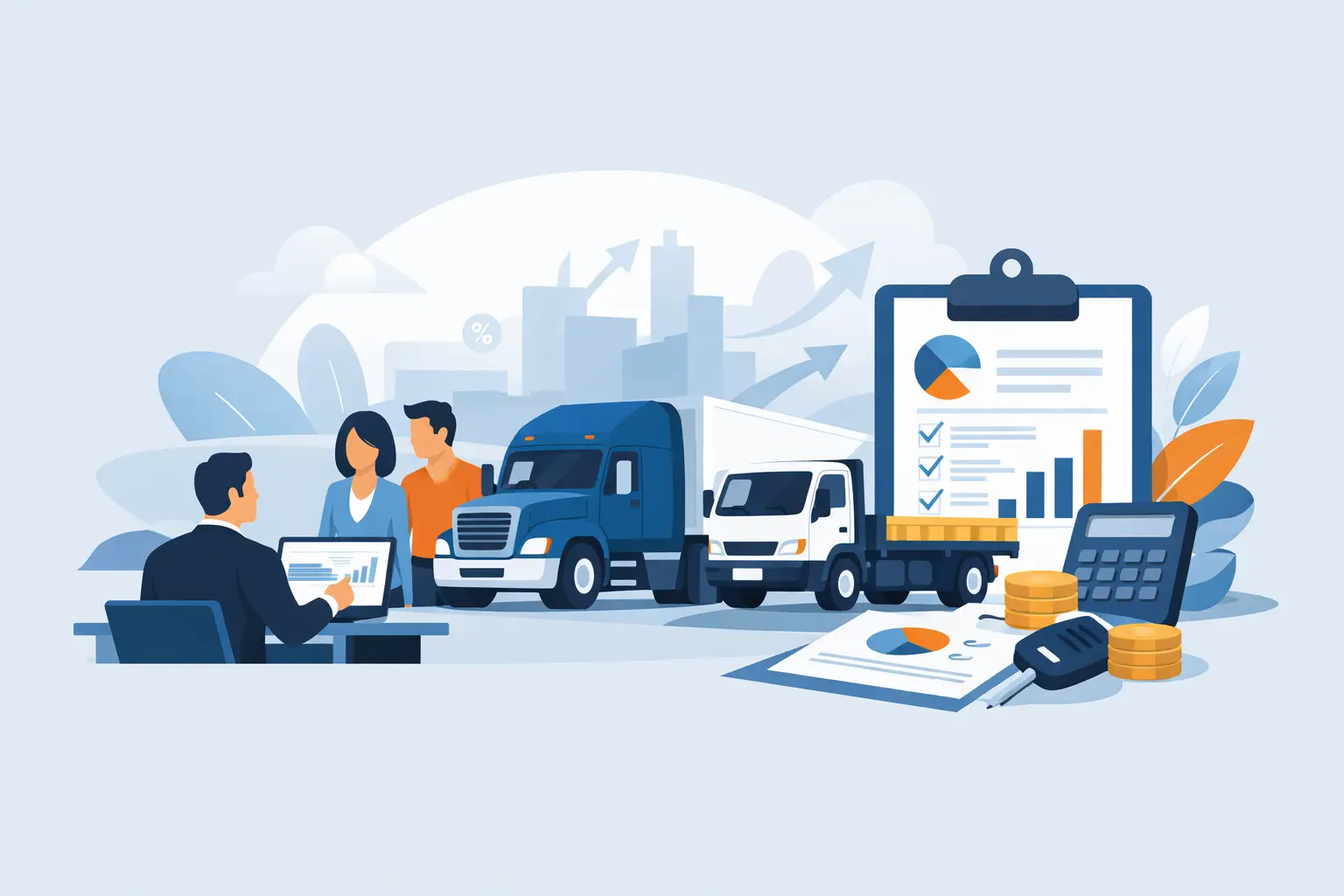
Commercial vehicle financing is a way for businesses and independent operators to fund the purchase of revenue-producing vehicles instead of paying the full cost upfront. Rather than tying up all your cash in one purchase, you make a down payment, agree to scheduled payments, and use the vehicle to generate income while you pay it off. For trucking professionals, that can mean getting into a semi truck, box truck, dump truck, cargo van, or trailer faster and keeping working capital available for fuel, insurance, maintenance, permits, and payroll.
What is commercial vehicle financing and how does it work?
At its core, commercial vehicle financing is business-purpose funding used to buy a vehicle that supports operations and produces income. The lender pays the seller, and the borrower repays the lender over time according to the terms of the agreement. In many cases, the vehicle itself helps secure the financing.
That sounds simple, but the real value is in what it allows you to do. Instead of waiting years to save enough cash for a truck, you can step into ownership now and build your business around an asset you control. For an owner-operator, that can mean leaving behind company driving and starting to build equity. For a fleet owner, it can mean adding units when demand is there instead of missing a growth window.
The monthly payment usually depends on a few core factors: the purchase price, your down payment, the term length, the vehicle type, the age and condition of the equipment, and the overall risk profile of the deal. A newer truck with a larger down payment may produce a different payment than an older unit with little money down. That does not automatically make one option better than the other. It depends on your cash position, revenue plan, and how quickly you need the equipment working.
What vehicles can be financed?
Commercial vehicle financing covers far more than just long-haul semis. In trucking and transportation, financing can apply to sleeper cabs, day cabs, tractor trailers, dump trucks, tow trucks, box trucks, cargo vans, utility trucks, work trucks, and trailers. The common thread is that the vehicle is used for business.
That matters because different vehicles serve different earning models. A dump truck may support construction contracts with seasonal swings. A box truck may be tied to local delivery and shorter billing cycles. A semi truck may be part of a long-haul operation where fuel and maintenance planning carry more weight. The financing structure should fit how the vehicle will earn money, not just what it costs on paper.
Why businesses choose financing instead of paying cash
Most small trucking businesses do not grow by draining cash reserves. They grow by putting money to work where it matters most. Paying cash for a truck might feel cleaner, but it can leave you short on the expenses that actually keep the business moving.
Financing preserves liquidity. That gives you room for startup costs, repairs, registration, tires, insurance, and the gaps between invoicing and getting paid. For first-time buyers, that flexibility can be the difference between owning a truck and being stuck with an asset you cannot afford to operate.
There is also a speed advantage. If a strong truck becomes available or a contract opportunity opens up, financing can help you act while the opportunity is live. In trucking, timing matters. Waiting too long can cost you a truck, a route, or both.
What lenders usually look at
When people ask what is commercial vehicle financing, they are often really asking a second question: what does it take to get approved?
Lenders generally review the full picture, not just one score or one document. Credit can matter, but it is not the only factor. Time in business, cash flow, down payment, the type of vehicle, and the borrower’s experience in trucking can all play a role. A first-time buyer with limited credit history may still have a path forward if the deal makes sense and the income potential is there. An established fleet owner may qualify differently based on business performance and expansion plans.
That is one reason specialized lenders can be a better fit than traditional banks for many trucking borrowers. A bank may look at the deal through a broad commercial lending lens. A financing partner focused on trucking is more likely to understand how equipment earns, how operators build up, and why a borrower with imperfect credit can still be a strong candidate.
Common terms you should understand
You do not need to speak lender jargon to finance a truck, but you should know the basics.
The down payment is the amount you pay upfront. The financed amount is the remaining balance the lender covers. The term is the number of months you have to repay the loan. Your payment amount is based on that term and the pricing of the deal. Some agreements may also include conditions tied to the age, mileage, or use of the vehicle.
A longer term can lower the monthly payment, which may help cash flow. The trade-off is that you may pay more over time. A shorter term can cost more each month but reduce the total financing cost. Neither option is automatically right. The best choice depends on whether your priority is preserving monthly cash, reducing long-term cost, or scaling as fast as possible.
What makes approval easier
Approval gets easier when the deal looks workable from day one. A realistic budget matters. So does choosing equipment that matches your operation instead of reaching for the most expensive unit on the lot.
A solid down payment helps because it lowers risk and reduces the amount financed. Clear business purpose helps too. If you can show how the truck will be used to generate revenue, the file becomes easier to understand. Borrowers also strengthen their position by having basic paperwork ready, such as identification, business details, and vehicle information.
If your credit is less than perfect, that does not mean the door is closed. It means the structure of the deal matters more. The right lender will look at the whole story, including your industry experience and the opportunity in front of you.
What to watch out for before signing
Fast funding is valuable, but speed should not replace clarity. Before signing any agreement, look closely at the total payment obligation, not just the monthly number. A low monthly payment can be helpful, but only if the full structure still makes sense for your business.
You should also think about uptime. Financing a truck that constantly needs repairs can create a payment problem fast, even if the approval was easy. The cheapest unit is not always the most affordable one. Reliability, service records, and fit for your lanes or contracts matter.
It is also smart to be honest about your operating cushion. A truck payment is only one line item. If insurance, fuel, permits, and maintenance are already stretching your budget, the financing should be built around real numbers, not best-case assumptions.
Is commercial vehicle financing right for you?
If the right truck or trailer will help you earn, expand, or take control of your business, commercial vehicle financing can be a strong move. It is especially useful for owner-operators ready to stop building someone else’s business, first-time buyers who need a practical path into ownership, and fleet owners who want to add equipment without freezing cash.
The key is choosing financing that fits your stage of business. Some borrowers need the lowest possible down payment to get moving. Others care more about payment size, equipment age, or approval speed. A one-size-fits-all offer rarely serves trucking businesses well.
That is why a specialized funding partner matters. A company like Inspired Funding understands that trucking growth does not always follow traditional lending rules. Sometimes the right deal is the one that gets a working driver into a revenue-producing truck quickly, with terms that leave room to operate and grow.
Ownership changes the conversation. It gives you more control over your schedule, your earnings, and the direction of your business. If you have been asking what is commercial vehicle financing, the real answer is this: it is a tool that helps turn earning potential into equipment, and equipment into opportunity. The right financing does not just help you buy a vehicle. It helps you get to work on your own terms.