
If you’re asking what banks finance commercial vehicles, you’re probably not browsing out of curiosity. You need a truck, van, trailer, or work vehicle that can start producing revenue fast. And the real question usually is not just who lends – it’s who actually approves deals that make sense for owner-operators, first-time buyers, and growing fleets.
What banks finance commercial vehicles?
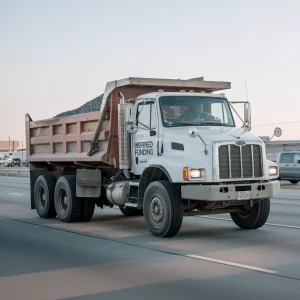
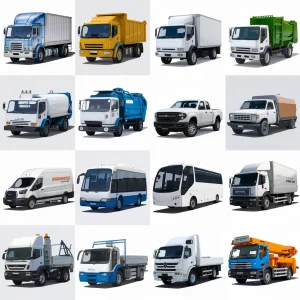
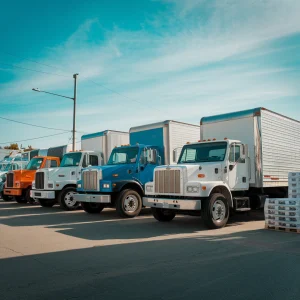
The short answer is that many national banks, regional banks, and credit unions offer some form of commercial vehicle financing. That can include semi trucks, box trucks, dump trucks, cargo vans, tow trucks, utility vehicles, and trailers. But there’s a big difference between a bank that advertises commercial lending and one that is truly comfortable financing working trucks for borrowers with real-world business situations.
Traditional banks tend to be strongest when the borrower has excellent credit, solid time in business, strong bank statements, and enough cash for a meaningful down payment. If you check all those boxes, a bank may offer a competitive rate. If you don’t, the process can get slow, restrictive, or end in a decline.
That’s where many trucking businesses hit a wall. The vehicle itself is a business asset that can earn money right away, but the bank may still focus more on credit profile, tax returns, debt ratios, and operating history than on the opportunity in front of you.
Which banks and lenders usually finance commercial vehicles?
Large national banks often finance commercial vehicles through business banking divisions. Regional banks may also offer equipment or vehicle loans, especially if your business already banks there. Credit unions sometimes provide business vehicle loans too, although their commercial programs can be narrower.
You may also find financing through manufacturer-backed lenders, dealership finance departments, and specialty commercial lenders. This last category matters more than many buyers realize. A specialty lender is often built around the asset class itself – trucks, trailers, and revenue-generating equipment – rather than treating your deal like a generic business loan.
That difference shows up in underwriting. A traditional bank may ask, “How strong is the borrower on paper?” A commercial vehicle finance company is more likely to ask, “Can this borrower reasonably operate this unit and generate income from it?”
For trucking professionals, that’s a major distinction.
What banks look for before approving a commercial vehicle loan
Banks that finance commercial vehicles usually want a clean and predictable file. That often means stronger personal credit, proof of business income, lower existing debt, and reserves after closing. They may also want to see time in business, commercial driving experience, and details about the truck or equipment being purchased.
Some banks prefer newer units with lower mileage. Some are more comfortable with established fleets than first-time owner-operators. Others may limit the age of the truck, require tax returns, or want to see a business checking relationship before moving forward.
None of this means banks are a bad option. It just means bank financing tends to fit borrowers who already look stable under conventional underwriting standards.
If your situation is less traditional, maybe you’re moving from company driver to owner-operator, rebuilding credit, or buying your first semi, a bank may not be the easiest path even if the business case is strong.
Why bank financing works for some buyers and not others
A borrower with a long operating history, high credit score, low debt, and plenty of liquidity may do well with a bank. That kind of buyer may have time to wait through documentation requests and committee review because the approval odds are already strong.
But trucking does not always move on bank timelines. Good units sell fast. Contracts come up fast. Expansion opportunities do not sit around while paperwork drags on.
That’s why many buyers who start by asking what banks finance commercial vehicles end up comparing banks with specialized funding companies. The issue is not just rate. It’s approval flexibility, speed, down payment expectations, and whether the lender understands the trucking business.
A low rate does not help if the bank says no. And a slow approval does not help if the truck is gone before your file is reviewed.
When a specialty lender may be the better move
If you have perfect credit and strong financials, a bank is worth checking. But if you need a lender that understands commercial trucks as working assets, a specialty lender is often the better fit.
This matters in a few common situations. First-time buyers often need a lender willing to look beyond years in business. Challenged-credit applicants need a funding partner that does not shut the door based on one score. Fleet owners may need a lender that can move quickly on additional units. And independent operators often need lower down payment options so they can keep working capital in the business.
A specialized commercial vehicle financing company is built for those realities. Instead of forcing a trucking borrower into a generic bank box, it can structure programs around the actual use of the equipment and the borrower’s path to revenue.
That’s one reason companies like Inspired Funding attract buyers who want speed, flexibility, and a more realistic approval process.
What to ask before choosing a lender
Not every lender that says it finances commercial vehicles is equally prepared to finance your deal. Before you move forward, ask what types of vehicles they fund, whether they work with first-time buyers, what their down payment range looks like, and how they handle challenged credit.
You should also ask how fast they can issue a decision, what documents they need upfront, and whether they finance older equipment. These details matter because two lenders can both claim to offer commercial vehicle loans while operating very differently in practice.
A bank may quote an attractive rate but require deeper documentation and a longer timeline. A specialty lender may be more flexible on credit, age of equipment, or time in business, which can make the total opportunity much stronger even if the structure looks a little different.
The best financing is not just the cheapest on paper. It’s the one that gets the right unit into service without putting unnecessary strain on your cash flow.
What banks finance commercial vehicles for first-time buyers?
This is where the gap gets wider. Some banks do finance commercial vehicles for first-time buyers, but many are cautious about applicants who have never owned or financed a truck through their own business. From the bank’s perspective, less experience can mean more risk.
For the borrower, that creates a problem. Everyone has to start somewhere. If you’ve been driving for someone else, have industry experience, and are ready to step into ownership, that should count for something.
Specialty lenders are usually more open to this transition. They understand that a company driver becoming an owner-operator is not an unusual financing story. It’s one of the most common growth moves in trucking.
How to improve your approval odds
Even if you are still comparing what banks finance commercial vehicles, you can strengthen your file before applying. Keep your bank statements clean, know your budget, and have a realistic down payment ready. Choose equipment that fits your income plan instead of chasing the most expensive unit on the lot.
It also helps to gather your basics early – identification, business information, proof of income if available, and details on the truck or equipment you want. A clear deal gets reviewed faster than a messy one.
Most importantly, apply with a lender that actually fits your profile. If your credit is bruised, your cash is tight, or your business is still growing, a conventional bank may not be the most efficient starting point. There is no prize for getting declined by the wrong lender first.
The smarter question to ask
Instead of only asking what banks finance commercial vehicles, ask which lender is most likely to help you put the right revenue-producing unit on the road quickly and responsibly. That’s the question that protects your time, your momentum, and your business plan.
Commercial vehicle financing is not one-size-fits-all. Banks can be a strong option for some borrowers. For many trucking professionals, though, the better path is a lender that understands the industry, moves fast, works with real-world credit situations, and keeps the process focused on getting you into ownership.
The right truck can change your income. The right financing partner can help you get there without making you jump through the wrong hoops.