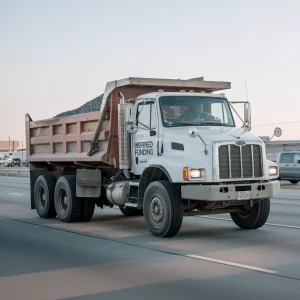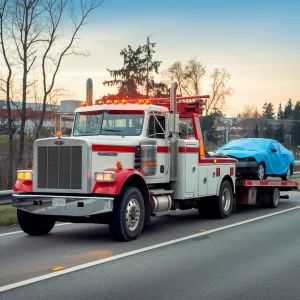
A truck in the shop does more than create a repair bill. It can interrupt loads, strain customer relationships, and leave you paying insurance, permits, and other fixed costs without revenue coming in. Truck repair loans can give owner-operators and fleets a way to handle a serious breakdown without draining every dollar of working capital.
The right funding can help you get the truck repaired, back on the road, and earning again. But the best choice depends on the repair, your current cash flow, the age of the equipment, and whether the breakdown points to a bigger replacement decision.
When truck repair loans make sense
A repair loan is generally most useful when the truck has a strong path back to productive service. Think of an engine rebuild, transmission replacement, after-treatment repair, differential work, major suspension repairs, or an accident repair that insurance does not fully cover. These are expensive problems, but they may be worth fixing when the truck is dependable otherwise and has work lined up.
For an owner-operator, the decision often comes down to downtime. A repair that costs $12,000 may feel steep, but the cost of sitting out for weeks can be even higher if you lose contracted freight or cannot cover your regular business expenses. Financing spreads the cost over time so you can preserve cash for fuel, driver expenses, insurance, and day-to-day operations.
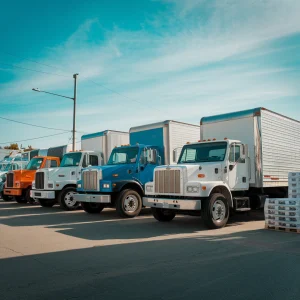
Fleet owners face a slightly different calculation. Taking one unit out of service can force you to turn down loads, use a rental, or overload the rest of the fleet. Repair funding can help protect capacity while you keep your operation moving.
That does not mean every repair should be financed. If a truck has repeated major failures, high mileage, and declining resale value, putting more borrowed money into it may not be the smartest business move. In that situation, financing a replacement truck may create a clearer path to dependable revenue.
Know the real cost of a breakdown
The shop invoice is only one number. Before applying for truck repair financing, look at the full business impact. Add the repair estimate, towing, diagnostics, lodging or travel if applicable, missed revenue, and any ongoing payments you still owe while the truck is down.
Then compare that total with the truck’s expected earning potential after repair. If the unit can return to solid freight work and generate enough margin to support the payment, the repair may be a practical investment. If it will likely return to the shop in a few months, it may be time to consider another unit instead.
Ask the repair shop for a written estimate that separates urgent work from recommended future maintenance. This helps you fund what must be done now without borrowing more than the business needs. It also gives you a clearer record to use when discussing your funding request.
Repair now or replace the truck?
There is no single mileage number that decides this. A well-maintained truck with a documented repair history can be worth saving, while a newer truck with chronic engine or emissions issues can become a cash drain.
Consider the truck’s condition, resale value, remaining debt, expected repair life, and availability of replacement equipment. Also consider your freight demand. If you have steady work and need more reliability, moving into another truck may produce a stronger long-term result than financing one more major repair.
A good financing partner should help you think through both options instead of pushing you toward a loan that does not fit the business.
Funding options for commercial truck repairs
Not all funding is structured the same way. The option that works best depends on how quickly you need the truck back and how the repair provider handles payment.
A short-term working capital loan can be useful when you need funds quickly for a repair, downtime expenses, or several business needs at once. This can give you flexibility if the final invoice may change after the shop opens up the truck and finds additional issues.
An equipment-secured loan may be an option when the truck has enough value and the lender can use it as collateral. Depending on the lender and the condition of the unit, this can offer a more structured repayment schedule than some short-term business financing.
A business line of credit can work well for fleets or established operators that want access to funds before the next breakdown happens. Instead of scrambling when a unit fails, you have a source of capital ready for repairs, tires, payroll gaps, or other operating needs.
Some repair shops also offer in-house financing or third-party payment plans. These can be convenient, but always review the rate, payment schedule, fees, and whether the offer limits where repairs can be completed. Convenience matters when a truck is stranded, but the fastest option is not automatically the lowest-cost option.
What lenders look at before approving repair financing
Traditional banks often want strong credit, long operating history, and detailed financial records. That can be difficult for newer owner-operators and drivers who are building their business after leaving a company position.
Alternative commercial lenders may evaluate the full picture differently. They may look at your time in trucking, bank activity, current contracts or load history, the truck’s value, the repair estimate, and your ability to repay once the unit is working again. Credit still matters, but it is not always the only factor.
Prepare the information you can provide. A clear repair estimate, truck details, proof of insurance, recent bank statements, business documents, and identification can help move the process forward. If you already have a shop diagnosis, include it. Specific information builds confidence that the funding request has a real business purpose.
Be upfront about any challenged credit or recent financial setbacks. A lender that understands commercial trucking can better identify programs that fit your situation when it has an accurate picture from the start.
How to protect cash flow after the repair
Getting approved is only part of the job. Once the truck is repaired, the goal is to make the funding work for your operation rather than create a new pressure point.
Start by matching the payment to realistic revenue, not your best-ever week. Freight rates change, loads cancel, and a truck can need follow-up work after a major repair. Leave room in the budget for fuel, maintenance, insurance, taxes, and personal expenses.
It also helps to build a repair reserve after you are back on the road. Even setting aside a small amount from each settlement can reduce the need to borrow for the next tire failure, sensor issue, or roadside repair. The reserve will not cover every major breakdown, but it gives you more choices.
If you operate multiple units, track maintenance costs by truck. A simple record of downtime, repairs, and revenue can show which units are still pulling their weight and which ones are becoming liabilities. That information makes future repair-or-replace decisions faster and more profitable.
A faster path back to revenue
When your truck is down, waiting weeks for a bank decision may not be realistic. You need a funding conversation built around the urgency of the repair and the income your truck can produce once it is back in service.
Inspired Funding works with trucking professionals who need practical financing options, including borrowers with limited credit history or challenged credit. With programs designed around commercial vehicles and business growth, the focus is on helping qualified operators take the next step without unnecessary barriers.
Before you sign for any repair funding, confirm the total repayment amount, payment frequency, any fees, and whether early payoff is allowed. Make sure you understand exactly when payments begin, especially if the repair timeline is uncertain.
A major breakdown can put your plans on hold, but it does not have to decide the future of your business. Get clear on the repair, run the revenue numbers, and choose funding that gives your truck a real chance to get back to work.