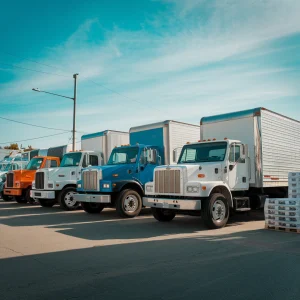
A second truck can change the economics of your business. A third or fourth truck can create real scale, but only if you have enough cash to cover the down payment, insurance, repairs, payroll, and the time it takes for new freight revenue to start flowing. The top fleet growth funding sources are not one-size-fits-all. The right choice depends on the equipment you need, the strength of your credit, available cash, and how quickly you need to put another revenue-producing unit on the road.
For many fleet owners, waiting until they can pay cash means missing a good truck, a strong driver, or a profitable contract. Smart financing can help you move when the opportunity is real while protecting the working capital your operation needs to keep moving.
Top Fleet Growth Funding Sources for Trucking Businesses
Commercial equipment financing
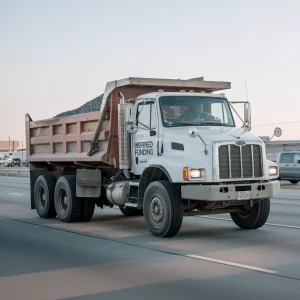
For most growing trucking businesses, commercial truck financing is the most direct path to adding equipment. This type of funding is built around the asset itself: a semi truck, trailer, dump truck, box truck, tow truck, cargo van, or another commercial vehicle that can generate revenue.
Rather than draining your operating account to buy a unit outright, you make a down payment and finance the balance over a set term. The truck serves as collateral, which can make approval more accessible than an unsecured business loan. It also lets you preserve cash for fuel cards, authority costs, tires, maintenance reserves, and driver onboarding.
Equipment financing makes sense when you have identified a truck or trailer that fits your lanes and revenue plan. It is especially useful for owner-operators moving into fleet ownership and established carriers adding capacity. The trade-off is simple: you take on a monthly payment, so the projected revenue from the unit must comfortably cover that payment plus insurance, maintenance, dispatch, and driver costs.
Traditional banks may want strong credit, extensive financial records, and larger down payments. Specialized commercial vehicle lenders can offer more flexible programs, including options for first-time buyers and applicants with challenged credit. At Inspired Funding, qualified buyers can explore low down payment options starting at 10%, without a minimum FICO score requirement.
Business lines of credit
A business line of credit gives a fleet access to revolving capital. You draw what you need, repay it, and use it again as funds become available. It is not usually the first choice for financing an entire truck purchase, but it can be valuable around an equipment acquisition.
Use a line of credit to handle the costs that arrive before the new unit starts producing: insurance down payments, registration, repairs, parts, fuel, permits, driver pay, or a temporary gap between delivering freight and receiving payment. For fleets that work with brokers or shippers on 30- to 60-day payment cycles, that flexibility can keep growth from putting pressure on day-to-day operations.
The catch is that lines of credit often require stronger business financials and can carry variable rates. They are best used with discipline. Funding a long-term asset with short-term revolving debt can create trouble if rates rise or cash flow slows.
Working capital loans
Working capital funding is designed for business expenses, not necessarily the truck itself. That distinction matters. A fleet can get approved for a tractor and still struggle if it does not have enough money to operate that tractor during its first few weeks.
A working capital loan can support fuel, payroll, shop work, tax obligations, insurance, or expansion expenses. It can also help you take on a new contract that requires additional drivers and equipment before the first invoices are paid.
This source is most valuable when paired with a clear operating plan. Before borrowing, calculate the real cash need for each added truck. Include the down payment, licensing, insurance, expected repair reserve, fuel float, driver costs, and at least several weeks of operating expenses. Borrowing a little extra for a defined purpose can be strategic. Borrowing without a repayment plan can turn growth into a cash-flow problem.
SBA and bank term loans
SBA-backed loans and conventional bank term loans can offer attractive terms for established businesses with solid financial statements, reliable revenue, and good credit. They may be useful when a fleet is making a larger expansion, purchasing multiple units, buying a facility, or refinancing higher-cost debt.
The appeal is often lower rates and longer repayment periods. The drawback is speed and underwriting requirements. Banks frequently ask for tax returns, bank statements, profit-and-loss reports, balance sheets, business history, and personal credit information. SBA financing can also involve a longer process than equipment-specific financing.
If you have time, clean records, and a well-established operation, a bank or SBA loan deserves consideration. If a truck is available now or a contract starts next week, a specialized equipment finance program may be the more practical route.
Leasing programs
Commercial truck leasing can help a fleet put equipment into service with lower upfront costs in some situations. It may work well for newer operations that want to preserve cash, businesses testing a new freight segment, or fleets that prefer to upgrade equipment frequently.
But read the agreement closely. A lease can limit mileage, require maintenance standards, include end-of-term obligations, or cost more over time than ownership financing. It can also reduce your flexibility if you need to sell the truck, change equipment, or adjust the fleet quickly.
Leasing is not automatically better or worse than financing. It depends on whether your priority is short-term cash preservation, long-term equity, equipment turnover, or operational flexibility. If your goal is to build an asset base and own revenue-producing trucks, financing is often the stronger fit.
How to Choose Among Fleet Growth Funding Sources
Start with the truck’s job, not the lender’s offer. Are you replacing an older unit that is costing too much in downtime? Adding a truck for a signed contract? Building a small fleet with hired drivers? The answer tells you what kind of payment structure and cash reserve you need.
Next, measure the unit’s expected monthly contribution. Estimate conservative revenue, then subtract fuel, driver pay, insurance, maintenance, tolls, dispatch, permits, and the proposed payment. Leave room for slow weeks. A truck that only works on paper when every mile is loaded is not a growth plan.
Your down payment also deserves attention. Putting more money down may lower the payment, but it should not leave your business unable to handle a major repair or delayed customer payment. For many operators, a manageable down payment and a healthy reserve are safer than putting every available dollar into the purchase.
Finally, match the funding timeline to the opportunity. A long bank approval process may be worthwhile for a large, planned expansion. A fast commercial equipment financing approval can be more valuable when the right truck is on the lot, a driver is ready, or freight demand is already in front of you.
Prepare Before You Apply
A clean application moves faster. Have the truck details ready, including the year, make, model, VIN if available, purchase price, mileage, and seller information. Gather recent bank statements, proof of income or business revenue, your driver’s license, and any business documents the lender requests.
If you are buying your first commercial truck, do not assume limited experience automatically disqualifies you. Explain your driving background, intended lanes, available down payment, and how you plan to operate the unit. Lenders that understand trucking look beyond a single number and evaluate the opportunity in context.
For existing fleets, show the story behind your growth. Current truck count, revenue trends, contract opportunities, maintenance records, and driver availability can help demonstrate that the next unit is part of a workable plan, not a gamble.
The best funding choice is the one that gets the right equipment on the road without choking the cash flow that keeps it earning. When you know your numbers and act on a real opportunity, financing can turn the next truck from an idea into the next step toward a stronger fleet.