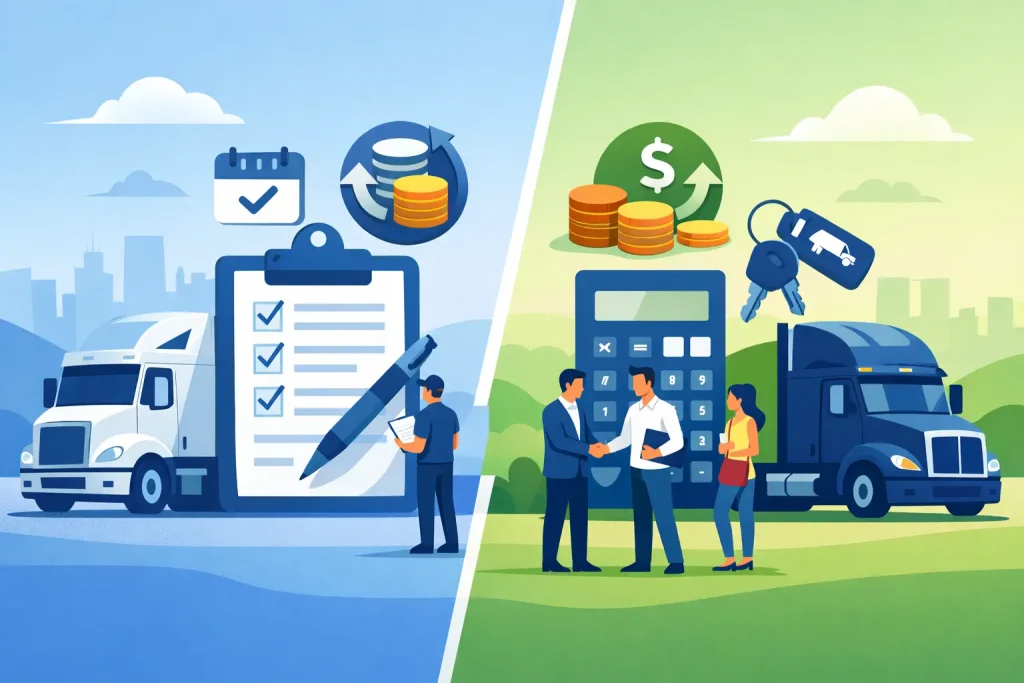
A truck payment can either build your business or keep you tied to someone else’s asset. That is the real question behind lease vs truck financing. The lowest monthly payment is not always the strongest move, especially when your goal is to become an owner-operator, add units, or create lasting equity in your operation.
A lease may get you into a truck with less upfront pressure. Financing may give you more control and a path to ownership. Neither option is automatically right for every carrier. The right answer depends on your cash position, how long you plan to run the truck, the type of equipment you need, and what you want your business to look like two or three years from now.
Lease vs Truck Financing: The Core Difference
Truck financing is a loan used to purchase the equipment. You make scheduled payments, and once the loan is paid off, you own the truck outright. During the loan term, the truck is collateral for the financing, but you are building equity as you pay down the balance.
A truck lease is an agreement to use equipment for a set term. Depending on the lease structure, you may return the truck at the end, renew the lease, or have an option to buy it. Some commercial leases are designed for businesses that want to upgrade equipment regularly. Others may look similar to ownership but come with different end-of-term obligations.
That distinction matters. When you finance, your monthly payment is working toward an asset you can keep, sell, trade, or use as part of your next equipment purchase. When you lease, you are primarily paying for use of the truck during the agreement period.
When Leasing a Truck Can Make Sense
Leasing can be a practical option for an operator who needs newer equipment quickly and wants a predictable term. If your business depends on running late-model trucks, minimizing downtime, or replacing units frequently, a lease may offer flexibility that is worth considering.
For example, a fleet that replaces trucks every few years may prefer leasing because it avoids the work of selling older equipment. A business with seasonal or contract-based demand may also value a shorter commitment, provided the lease terms match the work it has lined up.
Leasing can also preserve cash in some situations. The upfront amount may be lower than a traditional purchase, leaving funds available for insurance, tags, fuel, repairs, permits, payroll, or working capital. That matters when you are starting out and every dollar has a job.
But a low entry cost should not be the only deciding factor. Review the full agreement before you sign. Ask about mileage limits, wear-and-tear standards, early termination costs, maintenance responsibilities, buyout terms, and what happens at the end of the lease. A payment that looks attractive today can become expensive if the contract does not fit how you actually run your truck.
Why Financing Often Fits Ownership Goals
For many owner-operators, financing is the clearer path to building a trucking business. You choose the truck, make the down payment, and work toward owning an income-producing asset. Once the truck is paid off, you can continue operating without a monthly equipment payment, subject to maintenance and operating costs.
Ownership also gives you more options. You can sell the truck when it makes sense, trade it toward newer equipment, customize it for your operation, or keep it in service as a paid-off revenue unit. That control can be valuable when you are building a one-truck operation into a small fleet.
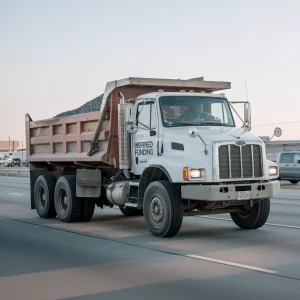
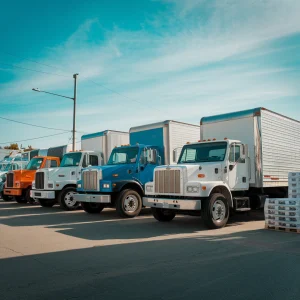
Financing is especially worth considering if you plan to keep the truck for several years. A quality sleeper cab, day cab, dump truck, box truck, tow truck, or trailer can support your business long after the financing term ends. The goal is not just to get approved for a truck. The goal is to get into equipment that can produce dependable revenue and support the next stage of your growth.
The trade-off is that financing generally comes with ownership responsibilities. You are responsible for maintenance, repairs, depreciation, insurance, and resale decisions. If you buy used equipment, protecting cash reserves for repairs is essential. A truck that makes money is an asset. A truck sitting in a shop can put pressure on every part of the business.
Compare the Total Cost, Not Just the Payment
The monthly payment is easy to see. The total cost of operating the truck is where smart decisions are made.
With a financed truck, consider the purchase price, down payment, interest, term length, insurance, expected maintenance, and the truck’s likely value when you are ready to sell or trade it. A longer term can reduce the monthly payment, but it may increase the total amount paid over time. The right structure should leave enough room in your budget for real operating expenses.
With a lease, look beyond the advertised payment. Determine whether there is a security deposit, acquisition fee, mileage charge, end-of-term fee, maintenance requirement, or buyout amount. If you expect to run heavy miles, haul demanding freight, or customize the truck for a specialized operation, those details can have a major impact.
Also consider the revenue side. A truck payment should make sense against your expected weekly gross, fuel costs, insurance, maintenance reserve, and personal income needs. Do not base the decision on a best-case month. Build your payment around consistent work and a conservative revenue expectation.
Your Business Stage Should Guide the Decision
A first-time buyer may need a different strategy than an established fleet owner. If you are leaving company driving to start your own authority, financing can put you on the ownership path from day one. You may be able to build equity while creating a business you control.
If you are testing a new market, taking on a temporary contract, or need a replacement unit while your long-term plan develops, leasing may provide useful flexibility. The key is making sure your term does not outlast the opportunity.
Fleet owners should think about utilization. A truck that will run consistently and stay in the fleet for years may be a strong financing candidate. A unit needed for a short-term route, specialty project, or changing customer demand may call for a different approach. Equipment decisions should support the business model, not force the business to chase the payment.
Credit Challenges Do Not Have to End the Conversation
Many trucking professionals assume they need perfect credit, a large down payment, or years of business history before they can purchase equipment. That assumption keeps good operators in the passenger seat of their own careers.
Commercial truck financing is different from walking into a traditional bank for a standard consumer loan. Industry-focused lenders can evaluate the complete picture: the equipment, your experience, your down payment, your intended use, and the earning potential behind the truck. A challenged credit profile may affect the terms available, but it does not always eliminate the possibility of approval.
At Inspired Funding, financing programs can include low down payment options starting at 10%, with no minimum FICO score requirement. That can give first-time buyers, owner-operators, and growing fleets a more realistic route to purchasing the equipment they need. Approval decisions still depend on the full application, but you do not need to wait for a perfect financial profile to explore your options.
Questions to Ask Before You Commit
Before choosing a lease or financing arrangement, get clear answers to a few practical questions. How long do you plan to keep the truck? How many miles will you run each year? Will the truck need modifications or specialized equipment? What repair reserve will you keep after the down payment? And if freight slows for a month, can the payment still be handled without putting the business at risk?
You should also look at the truck itself. A lower-priced used truck may create a manageable payment but require more maintenance. A newer truck may cost more upfront while offering better reliability, warranty coverage, and fuel efficiency. There is no universal winner. The best equipment choice is the one that matches your lanes, loads, revenue plan, and available capital.
Talk through the term, down payment, estimated monthly payment, and any end-of-term obligations before you make a decision. A clear financing structure can help you move with confidence instead of guessing at what the contract will mean six months from now.
The truck you choose is more than transportation. It is the tool that carries your contracts, your income, and your next business move. Choose the option that gives your operation room to run, room to handle real-world costs, and a genuine path toward the level of ownership you want.