
The truck you need may already be sitting at a dealer lot, but paying cash for it can leave your business short on fuel, repairs, insurance, payroll, and the next opportunity. Fleet financing gives trucking companies a way to put revenue-producing equipment on the road while keeping working capital available for the operation.
For an owner-operator adding a second truck or a growing carrier building a multi-unit operation, the right financing structure can make growth practical. The goal is not simply to get approved. It is to take on equipment payments your freight revenue can support, protect your cash position, and add capacity with confidence.
What Fleet Financing Means for Trucking Businesses
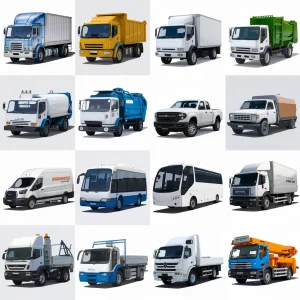
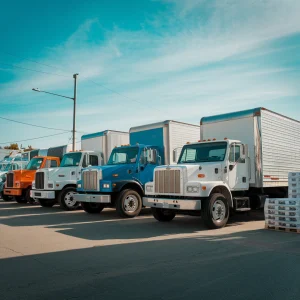
Fleet financing is commercial funding used to purchase multiple vehicles or add units to an existing trucking operation. Depending on your business plan, it may cover semi trucks, sleeper cabs, day cabs, dump trucks, box trucks, cargo vans, work trucks, tractor trailers, and other equipment that helps your company move freight and generate income.
A fleet does not have to mean 20 trucks. If you own one truck and are ready to add another, you are building a fleet. If you operate several units and need to replace older equipment, add specialized trailers, or take on a new contract, financing can help you act without draining the cash your business needs every week.
Traditional banks often look for long operating histories, high credit scores, large cash reserves, and extensive paperwork. Those requirements can create a roadblock for a driver who has strong industry experience but limited time as a business owner. Specialized commercial vehicle financing looks beyond a single score and considers the equipment, your plan, your industry background, and your ability to put the truck to work.
When Adding Trucks Makes Financial Sense
More trucks do not automatically mean more profit. Each additional unit brings a payment, insurance costs, maintenance exposure, driver expenses, compliance responsibilities, and the need for consistent freight. Growth works when there is a clear path from the truck purchase to dependable revenue.
A second or third truck may make sense when you are regularly turning away loads, have a qualified driver ready to run, or have a contract that requires more capacity. It can also make sense when an older truck is creating repeated downtime and repair bills. A reliable replacement may protect service levels and reduce the cost of missed loads, even if the new payment is higher than your current payment.
Before applying, look at the numbers honestly. Estimate the monthly truck payment, insurance increase, fuel, permits, maintenance reserve, driver pay, and fixed overhead. Then compare that total to realistic revenue, not just the best week your business has ever had. A healthy growth decision leaves room for slower weeks, unexpected repairs, and seasonal changes in freight demand.
Choose Equipment That Matches the Work
The strongest financing request starts with the right equipment. A sleeper cab may be the better fit for long-haul freight, while a day cab can make more sense for regional routes and dedicated local work. A dump truck requires a different revenue plan than a dry van tractor. Buying the wrong truck because it appears affordable can create a costly mismatch once the payment starts.
Equipment age, mileage, condition, and resale value also matter. A lower-priced older truck may require less money down, but it can carry more maintenance risk and potential downtime. A newer unit may cost more upfront but offer better reliability, warranty coverage, and easier recruiting if you plan to hire drivers. There is no universal right answer. The best choice depends on your lanes, loads, maintenance resources, and available cash.
If you are purchasing from a dealer, an auction, or a private seller, have the truck inspected whenever possible. Review maintenance records, engine history, tire condition, aftertreatment systems, and any signs of major repairs. A fast approval is valuable, but moving fast should not mean skipping due diligence on an asset that will carry your business.
How Fleet Financing Can Protect Cash Flow
Cash flow is what keeps trucks moving between invoicing cycles. Fuel cards, insurance deposits, payroll, repairs, tolls, registration, and dispatch costs do not pause because a customer pays a load 30 days later. Using every dollar of available cash on a truck purchase can put a growing business in a difficult position before the new unit runs its first load.
Financing spreads the equipment cost over manageable payments, allowing you to preserve cash for operating needs. Low down payment options can be especially useful for buyers who have an opportunity in front of them but do not want to empty their reserve account to take it.
That does not mean the lowest down payment is always the best deal. Putting more down can reduce the amount financed and may lower the monthly payment. The right choice comes down to balance. Keep enough cash to operate responsibly while choosing a payment structure that works with your expected revenue.
Build a reserve into the plan
Every fleet owner needs a repair and operating reserve. Even well-maintained equipment can need tires, brakes, a tow, or an unexpected shop visit. If adding trucks leaves no room for those realities, the business can become dependent on expensive emergency funding.
Set aside money for maintenance from every truck’s revenue. The exact amount will depend on the age and type of equipment, but the discipline matters more than a perfect formula. A reserve gives you options when a truck is down and helps you avoid making rushed decisions under pressure.
What Lenders May Review
Commercial vehicle financing is not one-size-fits-all. Lenders may review your credit profile, time in business, commercial driving experience, equipment details, down payment, bank activity, existing debt, and projected business income. Fleet buyers may also be asked about their current units, drivers, insurance, contracts, and management plan.
Challenged credit does not have to end the conversation. Many trucking professionals have faced credit setbacks while working toward ownership, and a low score does not tell the full story of their ability to operate. The key is to be direct about your situation and provide accurate information. Strong documentation, relevant experience, a reasonable down payment, and a clear plan for the equipment can all support your application.
Be prepared to explain how each truck will make money. Are you running under your own authority? Leasing on to a carrier? Serving a dedicated customer? Hiring a driver for an established lane? A lender who understands trucking will recognize that the business plan behind the truck matters.
Make Your Application Easier to Approve
Preparation can save time and prevent avoidable delays. Have your driver’s license, business information, bank statements, proof of insurance or insurance plans, equipment details, and seller information ready. If you have prior trucking experience, gather documents that show it. If you are expanding, be ready to show current revenue and explain why the additional capacity is needed.
It also helps to stay flexible. The exact truck you first choose may not be the best financing fit because of age, mileage, condition, or price. A good funding partner can help you understand what may work before you commit to a purchase. That gives you more control at the dealer and helps you shop with a realistic budget.
Inspired Funding works with trucking professionals across the country who want a straightforward path to commercial equipment ownership. Programs with down payments starting at 10%, no minimum FICO requirement, and fast approvals can help qualified buyers move when the right equipment and opportunity appear.
Grow at a Pace Your Operation Can Support
The smartest fleet owners do not add trucks just to say they are growing. They add equipment because the numbers, freight demand, driver plan, and cash flow all support the move. Sometimes that means financing one truck now and reassessing after 90 days. Other times, it means acquiring several units to meet a contract that is already in hand.
Keep your focus on utilization. A truck that sits does not build your business, but a truck assigned to profitable freight can create a new income stream and strengthen your company over time. Track revenue per truck, maintenance costs, deadhead miles, driver performance, and payment obligations so you can see which units are truly helping the operation.
Your next truck should create more control, not more pressure. Start with equipment that fits your work, protect the cash your business depends on, and choose financing that gives your operation room to move forward.