A good truck can start earning the day it hits the road. That is why commercial truck financing matters so much – it is not just about buying equipment, it is about getting into position to make money, build equity, and take more control over your business.
For a lot of drivers and small fleet owners, the biggest mistake is waiting until everything looks perfect on paper. Perfect credit, a huge down payment, years in business – that is not how many trucking businesses actually get started. In the real world, growth usually begins when the right truck becomes available and the right financing lets you move.
What commercial truck financing really does
Commercial truck financing gives you a way to acquire revenue-producing equipment without tying up all your cash at once. Instead of draining working capital to buy a semi truck, dump truck, box truck, cargo van, or trailer outright, you spread the cost over time while keeping money available for fuel, insurance, permits, maintenance, and payroll.
That matters more than most first-time buyers realize. A truck payment that fits your operation is often easier to manage than a giant upfront purchase that leaves your business underfunded. Owning the asset also gives you something many rentals never will – equity and long-term control.
This is especially important for owner-operators moving out of company driving. If you have freight opportunities lined up, owner income goals in mind, and a plan to operate consistently, financing can be the practical bridge between where you are now and where you want your business to go.
Who commercial truck financing is built for
A lot of people assume truck financing is only for large fleets or borrowers with spotless credit. That is not how this market works. Commercial truck financing is often structured for real operators with real-world challenges, including first-time buyers, single-truck owner-operators, expanding fleets, and applicants rebuilding credit.
If you are buying your first semi truck, the financing process may focus more on the full picture than a single credit score. Lenders may look at time in the industry, income potential, available down payment, and the type of truck being purchased. If you already run a few trucks and want to add units, the emphasis may shift toward cash flow, equipment needs, and growth capacity.
This is where specialized funding partners stand apart from traditional banks. Banks tend to like narrow boxes. Truck-focused lenders usually understand that an operator with challenged credit can still be a strong borrower if the deal makes sense, the equipment fits the business, and the payment structure is realistic.
Why approval is not only about credit
Credit matters, but it is not the whole story. In trucking, lenders know they are financing an income-producing asset. That changes the conversation.
A borrower with average or damaged credit may still qualify if there is enough strength elsewhere in the file. That could mean a solid down payment, valuable industry experience, a cleaner recent payment history, or a truck with strong earning potential. On the other hand, even a borrower with decent credit can run into trouble if the requested payment is too high for the operation.
This is why flexible underwriting matters. No minimum FICO score requirement can open the door for operators who have been turned away elsewhere. It does not mean every deal gets approved automatically. It means the file gets reviewed with a more practical mindset.
That practical mindset is important if you are recovering from a rough patch, building business credit from scratch, or trying to step into ownership faster than a bank would prefer.
Down payments, monthly payments, and the real cost of ownership
The down payment is usually the first number buyers focus on, and for good reason. Lower down payments make truck ownership more accessible. If financing starts at 10% down, that can make a major difference for a driver who has the income to operate but does not want to empty every account just to close the deal.
Still, lower money down is not always the best move in every situation. A smaller down payment preserves cash, but it can also raise the monthly payment. A larger down payment may reduce the payment and total financing burden, but it can tighten cash flow at exactly the wrong time. The right choice depends on what your business needs most right now – liquidity or a lighter monthly obligation.
That trade-off is where smart financing beats rushed financing. You want a payment that works in busy months and slower ones. You also want enough reserve left over to handle startup expenses and surprises. Trucks make money, but they also bring repair bills, insurance renewals, and downtime risk.
Equipment types matter more than many buyers expect
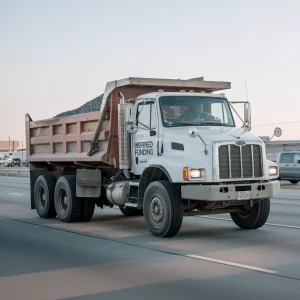
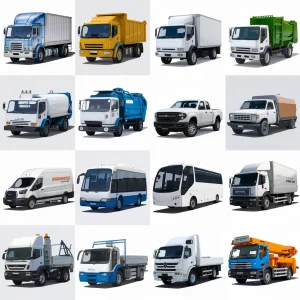
Not every truck is financed the same way. A day cab, sleeper, box truck, tow truck, trailer, cargo van, and dump truck each carry different use cases, values, and resale considerations. Lenders look at those details because they affect risk and financing structure.
The condition and age of the equipment matter too. Newer trucks may qualify for longer terms or more favorable structures because they often carry lower maintenance risk and stronger collateral value. Used trucks can still be excellent business assets, especially when priced right, but the file has to make sense. A bargain truck is not a bargain if it spends too much time in the shop.
The smartest buyers do not just ask, Can I get approved for this truck? They ask, Will this truck support the kind of revenue I need after the payment, maintenance, and operating costs are factored in?
Speed matters when the right truck shows up
In trucking, delays cost money. Equipment moves fast, dealership inventory changes, and private sellers do not always wait around. If the approval process drags on for days or weeks, you can lose the unit and the income opportunity that came with it.
Fast approvals matter because they let you act while the deal is still alive. They also help reduce the stress that many borrowers feel when they are trying to line up financing, insurance, and business operations at the same time.
That is one reason specialized lenders are attractive to trucking businesses. The process is usually built around movement. Pre-approvals, streamlined document requests, and a clear path to funding can make the difference between planning to grow and actually putting another truck on the road.
What first-time buyers should pay attention to
If this is your first truck purchase, enthusiasm can work against you. It is easy to focus on getting approved and overlook whether the unit truly fits your route plan, freight type, and budget.
Start with the numbers. Estimate your fixed costs, expected weekly revenue, maintenance cushion, fuel spend, and insurance. Then look at the truck itself. A lower purchase price may be attractive, but if the truck needs immediate work or carries a higher risk of downtime, that cheap unit can become expensive fast.
It also helps to work with a funding partner that knows how first-time buyers get evaluated. The right financing conversation should not make you feel disqualified before the file is even reviewed. It should show you what is possible, what needs to improve, and how to structure a deal you can carry.
Growth financing for fleets and repeat buyers
Established operators often face a different problem. They are not trying to get into the business – they are trying to grow without choking cash flow.
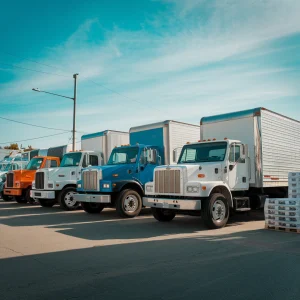
That might mean adding one more tractor to cover a new lane, bringing in trailers to improve control over freight, or replacing aging units before repair costs start dragging margins down. In those cases, financing is less about access and more about timing and leverage.
The right structure lets you expand while keeping cash available for fuel cards, hiring, compliance, and day-to-day operations. Some businesses also need working capital alongside equipment financing because growth creates expense before it creates stability. That is not a weakness. It is part of scaling a trucking business the right way.
For borrowers in that position, a lender that understands trucking can be a real advantage. Inspired Funding, for example, is built around helping owner-operators and fleets secure equipment funding quickly, even when the file would not fit a traditional bank’s checklist.
The best financing move is the one that gets you rolling responsibly
There is no single perfect truck loan. There is the deal that fits your operation, your timeline, and your next business move. For some borrowers, that means preserving cash with a low down payment. For others, it means putting more down to lower the monthly burden. For some, it means buying the first truck. For others, it means adding the next one.
What matters is momentum with a plan. If the truck can produce income, the payment is realistic, and the financing process is built around opportunity instead of unnecessary roadblocks, ownership becomes a lot more achievable than it looks from the outside.
The right truck will not wait forever, and neither will the next stage of your business.