A credit score should not be the one thing standing between you and a truck that can produce income. Challenged credit truck loans are built for drivers, owner-operators, and growing fleets that have the experience and ambition to work but do not fit a bank’s narrow approval box.
Maybe a past medical bill hurt your score. Maybe you are rebuilding after a business setback, have limited credit history, or recently moved from company driving into ownership. Those situations can make traditional financing frustrating, but they do not erase your ability to run freight, serve customers, and build a profitable operation.
The right financing program looks beyond one number. It considers the truck, your down payment, your business plan, and your ability to make the payment work with the revenue you expect to earn. That is the difference between getting stuck waiting for perfect credit and taking a practical step toward owning a revenue-producing asset.
How Challenged Credit Truck Loans Work
Commercial truck financing is different from an unsecured personal loan. The truck or equipment being purchased serves as collateral, which gives lenders more information to work with than a credit score alone. A strong unit, reasonable loan structure, and clear plan for operating the truck can all improve the overall application.
This does not mean credit disappears from the conversation. Previous repossessions, open collections, recent late payments, and bankruptcies can affect available programs, down payment requirements, interest rates, and the type of truck that makes sense. Honest information upfront helps a financing partner match you with a realistic option instead of wasting time on a program that does not fit.
For many buyers, a down payment is the biggest lever they control. More money down can reduce the amount financed, improve the lender’s risk position, and sometimes expand approval options. But putting every dollar you have into a down payment is not always smart. Truck ownership also requires cash for insurance, tags, repairs, fuel, permits, and the first weeks of operating expenses.
A good deal is not simply the one with the lowest payment. It is the deal that leaves room for your business to run.
What Lenders May Review Beyond Your Score
A challenged-credit application can still be competitive when the rest of the file tells a solid story. Lenders commonly look at the vehicle’s age, mileage, condition, and value because the equipment matters. A well-maintained truck with a reasonable purchase price is generally easier to finance than an overpriced unit with high mileage and unclear service history.
They may also review your trucking experience, current income, bank activity, CDL status, and time in business. A driver with years behind the wheel may have a stronger operational case than a first-time buyer, but first-time buyers can qualify too. The key is showing that you understand the work and have a practical path to revenue.
If you have a dispatch relationship, signed work, a lease-on opportunity, or documented income from driving, bring that information forward. It can help explain how the truck will earn. If you are starting independently, be ready to discuss your lane plan, expected expenses, insurance, and how you will find loads. You do not need a complicated business presentation. You need a credible plan that makes financial sense.
Choose a Truck That Supports Approval and Profit
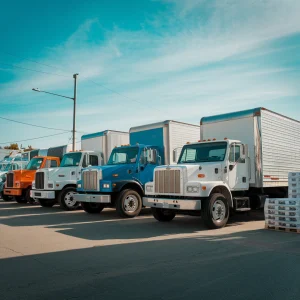
The truck you want and the truck that supports your first financing approval are not always the same. That trade-off matters. A newer sleeper cab with every feature may be attractive, but it can create a larger payment, higher insurance costs, and less room in the monthly budget. A dependable day cab, older conventional, box truck, or trailer may be the smarter first asset depending on your operation.
Before committing to a unit, look beyond the sticker price. Check the maintenance records, engine history, tire condition, aftertreatment system, and estimated repair needs. Have a qualified mechanic inspect the truck when possible. A lower-priced truck that immediately needs major repairs can be more expensive than a newer, well-documented unit.
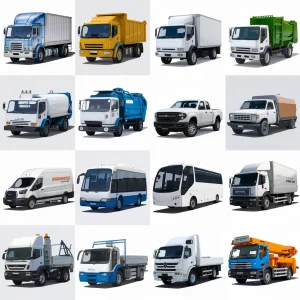
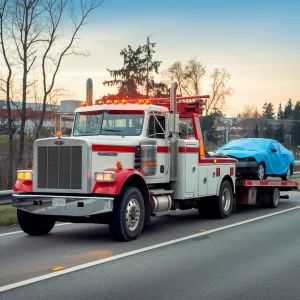
Also match the equipment to the work. Regional freight, local delivery, towing, construction, expedited cargo, and long-haul trucking create different equipment needs. Financing should help you acquire a truck that fits your revenue model, not force you into a unit that is hard to keep busy.
Steps That Can Strengthen Your Application
Speed matters when a good truck is available, but preparation keeps speed from turning into a costly decision. Gather your driver’s license, CDL if applicable, proof of residence, business documents if you have them, recent bank statements, and information on your proposed down payment. If you already found a truck, have the seller or dealer provide the year, make, model, VIN, mileage, and purchase price.
It also helps to review your own credit report before applying. Look for inaccurate accounts, paid debts still shown as open, or items you do not recognize. Correcting errors may take time, so do not wait until the last minute if you know you will seek financing soon. Still, do not assume you must delay truck ownership until every item is resolved. Many borrowers can explore options while rebuilding.
Be direct about your history. Trying to hide a past issue rarely works and can slow the process once it appears in underwriting. A short, straightforward explanation is better: what happened, what has changed, and why your current payment plan is sustainable.
Finally, protect your cash flow. Avoid taking on new debt, missing payments, or making large unexplained bank withdrawals while your application is being reviewed. These actions can change the picture a lender sees.
Watch the Payment, Not Just the Approval
An approval is an opportunity, not an automatic green light to buy any truck. Before signing, compare the projected payment with your conservative monthly revenue estimate. Then account for fuel, insurance, maintenance, tolls, permits, taxes, dispatch fees, trailer costs, and time off the road.
Ask how the payment schedule works and whether there are fees, early payoff terms, or documentation requirements you should understand. The goal is not to make financing feel complicated. The goal is to avoid surprises after the truck is in your name.
For some operators, a higher down payment produces a better monthly payment. For others, preserving cash for startup expenses is the wiser move. There is no universal answer because freight rates, operating lanes, personal expenses, and equipment needs are different for every business.
Build Credit While You Build Your Trucking Business
Your first financed truck can do more than get you working. When managed well, it can help establish a stronger financial track record for future equipment purchases. Make payments on time, keep insurance active, maintain clean business records, and separate business income from personal spending when possible.
As your operation becomes more established, you may have more choices for adding a trailer, upgrading equipment, or expanding into additional units. Growth should follow proven cash flow, not pressure to grow fast. One truck that stays productive and properly maintained is a stronger foundation than several trucks that strain the budget.
Inspired Funding works with trucking professionals who are ready to pursue ownership without waiting for a perfect credit profile. Programs can include low down payments starting at 10%, no minimum FICO score requirement, and financing paths for first-time buyers, owner-operators, and fleets across the country. Approval terms depend on the full application, but a challenged credit history does not have to end the conversation.
The next truck you finance should give you more control over your work, not more anxiety about your bills. Bring a realistic plan, choose equipment that earns its keep, and take the step that puts your business in motion.