A good truck can put you on the path to more control, better revenue potential, and an asset your business owns. But the truck loan approval process can feel uncertain when you are trying to leave company driving, replace an aging unit, or add another truck to a growing fleet. The good news is that commercial truck financing is not a one-size-fits-all bank decision. The right lender looks at the full opportunity, not just one number on a credit report.
For owner-operators and trucking businesses, approval comes down to showing that the truck makes sense for your work, your budget, and your next move. When you know what lenders review before you apply, you can avoid delays and get closer to the keys.
What Happens During the Truck Loan Approval Process
Most truck financing starts with a simple application. You provide your contact information, basic business details, the type of equipment you want, and information about your credit and income. A financing specialist then reviews the file and matches it with an available program.
Unlike a traditional bank, an industry-focused commercial lender understands that a driver moving into ownership may not have years of business tax returns or a perfect FICO score. Your experience behind the wheel, the equipment you are purchasing, your down payment, and the income plan behind the truck can all matter.
The process usually moves through four practical stages: application, document review, equipment selection, and final funding. A pre-approval can come before you have chosen a specific truck, which gives you a realistic budget and lets you shop with confidence at the dealer or seller of your choice.
Once you select a truck, the lender verifies the vehicle details, confirms the final loan terms, and completes the paperwork. After closing, funds are sent so you can take delivery and put the truck to work.
What Lenders Look At Before Approving a Truck Loan
Every financing program has its own guidelines, but lenders generally want to understand two things: whether the equipment has value and whether the payment fits your situation. Credit is part of that picture, but it is not the whole picture.
Your Credit Profile
A strong credit history can open more options and may help you qualify for more favorable terms. Still, challenged credit does not automatically end the conversation. Late payments, collections, limited credit history, or a lower score may affect the required down payment, loan structure, or truck choices available to you.
Be direct about any credit issues. Surprises slow an application down. A lender that works with commercial drivers can often identify an option based on your complete profile rather than pushing you through a generic consumer lending system.
Down Payment and Cash Position
A down payment shows commitment and lowers the amount financed. Some commercial truck financing programs offer down payments starting at 10% for qualified buyers, though your final requirement depends on the truck, credit profile, and program.
Do not put every available dollar into the down payment if doing so leaves you unable to cover insurance, tags, fuel, repairs, or the first few weeks of operating costs. Owning a truck creates opportunity, but it also requires working capital. A deal that closes quickly but strains your cash flow is not always the best deal.
The Truck You Choose
The vehicle itself matters. Lenders review the year, make, model, mileage, purchase price, and condition of the equipment. Newer trucks and well-maintained used trucks often provide more financing flexibility because they have clearer resale value and may be less likely to create immediate repair pressure.
That does not mean an older truck is always a bad choice. It depends on its condition, maintenance history, engine, and the work you plan to run. A reliable used day cab for local freight has different needs than a sleeper cab intended for long-haul operations. Choose equipment that supports your lanes and revenue model, not just the lowest sticker price.
Your Experience and Income Plan
Lenders want to know how the truck will generate income. You may be asked about your driving experience, current employment, business time in operation, contracts, settlement statements, bank statements, or projected work.
First-time buyers should not assume they need an established fleet to qualify. If you have commercial driving experience and a credible plan to run loads, lease on with a carrier, or serve existing customers, that can support your application. Fleet owners may need to show how an additional unit fits into current demand and driver availability.
Documents That Help Move Approval Faster
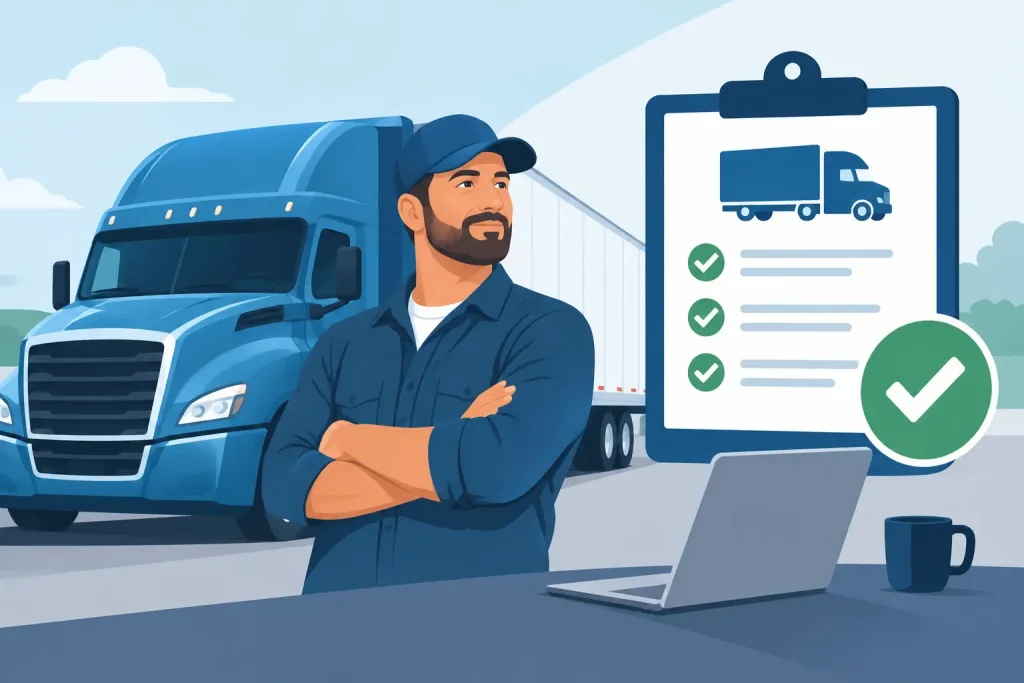
Having your paperwork ready keeps the process focused on funding instead of chasing missing details. Requirements vary, but these documents are commonly helpful:
- A valid driver’s license and basic contact information
- Recent bank statements or proof of income
- Business documents, if you have an established company
- Details on the truck or trailer you plan to purchase
- Insurance information or the ability to secure commercial coverage
- A clear explanation of any recent credit challenges
If you are not sure what applies to your situation, apply anyway and let a financing specialist tell you what is needed. Waiting until every document feels perfect can cost you a truck, a favorable price, or a revenue opportunity.
How to Improve Your Chances of Approval
Start with a realistic equipment budget. The monthly payment is only one operating cost. Factor in insurance, fuel, maintenance, tires, permits, parking, taxes, and downtime. A truck that keeps your total monthly obligations manageable gives you a stronger foundation than one that stretches every dollar.
Next, protect your bank activity before applying. Avoid unexplained overdrafts, large cash withdrawals, or major purchases that reduce your available funds. If you have a down payment saved, keep it accessible and document where it came from. Clean, understandable financial records make underwriting easier.
It also helps to apply before you get attached to one truck. Pre-approval gives you negotiating power and helps you focus on equipment within your financing range. If a seller’s truck does not pass inspection, has too much mileage, or cannot be financed under the approved program, you can move to another option without starting from zero.
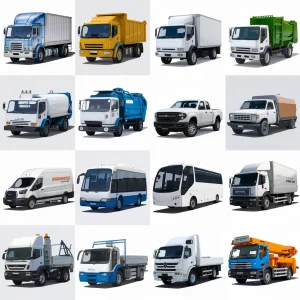
Finally, be honest about your goals. Are you buying your first semi truck to lease onto a carrier? Replacing a unit that is costing too much in repairs? Adding dump trucks, box trucks, trailers, or cargo vans to meet new demand? The right financing structure depends on where your business is headed.
Common Reasons Truck Loan Applications Stall
Many delays are fixable. The most common issue is incomplete information, especially when the application does not match the documents provided. A different address, an unverified income source, or missing equipment details can create extra questions.
Another issue is choosing a truck before understanding its financeability. A low-priced truck may look like a bargain, but extreme mileage, accident history, title problems, or poor condition can make it hard to fund. Ask for complete truck details early and consider an independent inspection before committing.
Insurance can also hold up delivery. Commercial coverage needs to meet the lender’s requirements, and new owner-operators sometimes underestimate the cost. Get insurance quotes while you shop so the premium is part of your real budget, not a last-minute obstacle.
Approval Is a Business Decision, Not a Test You Pass Once
A truck loan approval is not simply a yes or no judgment on your past. It is a business decision based on the equipment, your operating plan, and the available financing programs. Buyers with excellent credit may have more choices. Buyers rebuilding credit may need a higher down payment or a different truck. Both can still take steps toward ownership.
Inspired Funding works with trucking professionals across the country who need a practical path to commercial equipment financing. Whether you are an experienced owner-operator, a first-time buyer, or a fleet owner ready for another unit, the goal is to find a funding structure that gets your truck earning without creating unnecessary roadblocks.
The best time to prepare is before the right truck appears. Gather your documents, set a responsible down payment target, understand your operating costs, and be ready to act when an opportunity fits your business. The truck you finance should do more than fill a parking spot – it should help carry your next stage of growth.