A truck can put revenue in motion, but it is not the only expense standing between you and a profitable operation. Fuel advances, insurance deposits, repairs, permits, payroll, and deadhead miles all demand cash before a load pays out. That is why the choice between a working capital loan vs equipment financing matters. One helps you acquire the asset that produces revenue. The other helps you keep the business moving while that revenue comes in.
For an owner-operator buying a first truck, a growing fleet adding units, or a carrier recovering from a costly repair, the right answer depends on what the money needs to do. Choosing the wrong type of funding can leave you with a truck but no operating cushion, or cash in the bank but no equipment to expand.
The Core Difference: Asset Purchase vs. Operating Cash
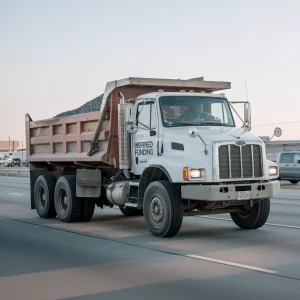
Equipment financing is built for a specific purchase. In trucking, that may be a semi truck, sleeper cab, day cab, dump truck, box truck, trailer, tow truck, cargo van, or another commercial asset. The vehicle or equipment serves as collateral for the financing, and the funds are generally sent directly to the seller. You make scheduled payments while putting the asset to work.
A working capital loan is different. It provides money your business can use for broader operating needs rather than one named piece of equipment. Depending on the program, that may mean covering insurance, fuel, maintenance, licensing, driver payroll, marketing, shop expenses, or a short-term cash gap between delivering a load and getting paid.
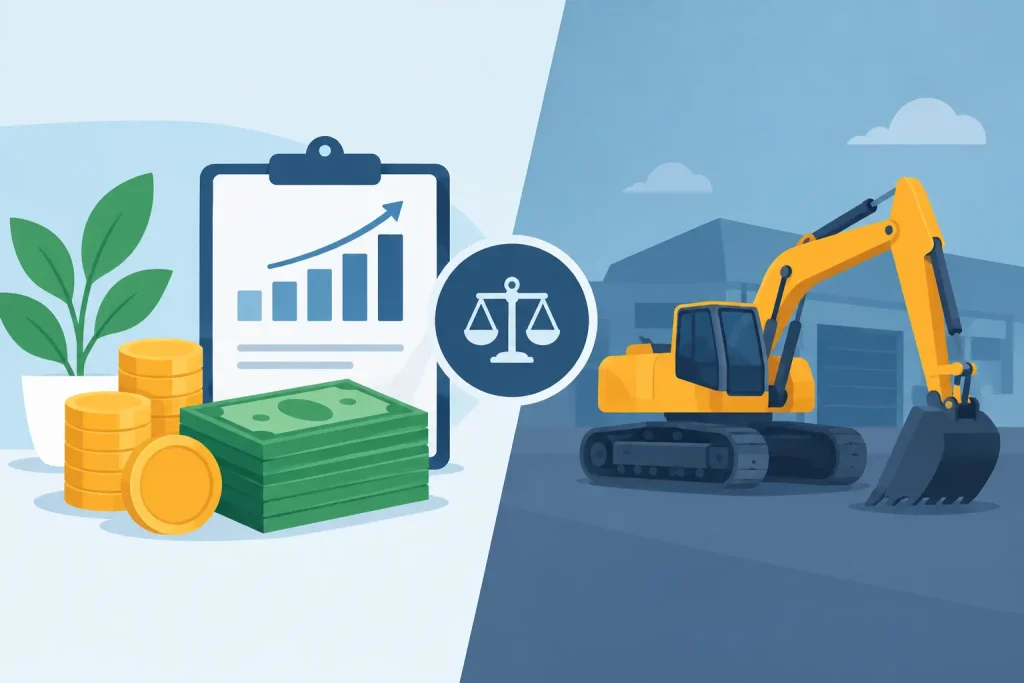
Think of equipment financing as the funding that helps you buy the truck. Working capital helps you operate the truck like a business.
When Equipment Financing Is the Better Move
Equipment financing is usually the clear choice when the main barrier to growth is not enough equipment. If you have freight opportunities but need a tractor, trailer, or work truck to take them, financing the asset can turn that opportunity into income.
For example, a company driver ready to become an owner-operator may have dispatch contacts and a plan for finding loads, but not $80,000 available for a late-model tractor. Equipment financing can make the purchase manageable by spreading the cost into monthly payments. Instead of waiting years to save the full purchase price, the driver can move toward ownership sooner.
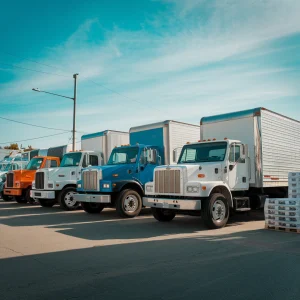
The same is true for fleet owners. Adding a truck can increase capacity, allow you to serve a new customer, or replace an older unit that is spending too much time in the shop. In those cases, the equipment has a direct job: generate revenue.
Equipment financing also preserves cash. Even when you can make a larger down payment, tying every available dollar into a truck can create problems later. A lower down payment may leave room for the first insurance payment, tags, repairs, fuel, and the unexpected costs that come with getting a unit on the road.
That said, financing a truck only makes sense when the payment fits your realistic revenue plan. Base the decision on likely miles, rates, fuel costs, insurance, maintenance, and downtime – not the best month you have ever had. A truck payment is fixed even when freight slows down.
What lenders may look at
Commercial equipment lenders often consider the vehicle’s age, mileage, value, and intended use alongside your business profile. They may also review your down payment, time in business, income documentation, and credit history.
Traditional banks can be difficult for newer operators or borrowers with challenged credit. Industry-focused financing programs may offer more flexibility, including low down payment options and underwriting that recognizes the earning potential of commercial equipment. A low credit score does not automatically mean you have to stay in a company truck or keep renting equipment forever.
When a Working Capital Loan Makes More Sense
A working capital loan is designed for the expenses that do not come with a title or VIN number. It can be the right tool when you already have equipment but need cash to stabilize or grow the operation around it.
Say your truck is running consistently, but a major repair hits during a slow-paying stretch. Using working capital for the repair may help you get back on the road without draining every dollar reserved for fuel and insurance. Or perhaps you have secured a new contract that requires another driver, additional fuel, and higher insurance costs before the first invoice is paid. Working capital can help bridge that gap.
It can also be useful for operators who bought equipment with cash and now need liquidity. Owning a truck outright is valuable, but ownership alone does not cover weekly fuel costs or keep a business prepared for a transmission issue. Cash flow keeps the wheels turning.
The trade-off is that working capital is not tied to a revenue-producing asset in the same direct way as truck financing. Rates, repayment terms, and payment frequency can vary significantly by program. Before accepting an offer, make sure you understand the total repayment amount, payment schedule, and how the payment will affect your weekly or monthly operating cash.
Working Capital Loan vs Equipment Financing for Trucking Growth
The simplest way to decide is to ask one direct question: What is stopping the next dollar of revenue?
If the answer is, “I need a truck, trailer, or specialized unit to haul the load,” equipment financing is likely the better fit. The asset itself is the missing piece, and it should produce income that supports the payment.
If the answer is, “I have the equipment, but I need cash to keep operating or take on more work,” working capital may be the stronger option. It can help cover the costs that show up before your receivables clear.
Many growing trucking businesses eventually need both. A fleet may finance a new tractor while using working capital to handle the upfront costs of adding a driver and putting that unit into service. This can be a smart move when the added revenue is well planned and the business has enough margin to carry both obligations.
The key is not treating financing as free money. Every payment needs a purpose. Equipment financing should support a productive asset. Working capital should solve a short-term operational need or create a clear path to more profitable work.
Questions to Answer Before You Apply
Before pursuing either option, get clear on your numbers. You do not need a complicated corporate budget, but you do need an honest view of what comes in and what goes out.
Start with your average weekly gross revenue, then account for fuel, insurance, maintenance, tires, dispatch, factoring fees, driver pay, permits, taxes, and personal draws. If you are buying a truck, add the estimated payment and insurance change. If you are borrowing working capital, add that repayment to your normal operating costs.
You should also ask whether the purchase or expense has a measurable return. A trailer that allows you to take higher-paying freight may have a clear payoff. Paying for a repair that gets your truck back on the road may protect existing revenue. Covering routine losses month after month without changing the underlying problem is a warning sign.
Finally, protect a reserve whenever possible. Trucking is full of expenses that cannot wait: a blown tire, an emissions issue, a deductible, or a customer that pays late. Financing can create opportunity, but a cash cushion gives you staying power.
Build the Funding Plan Around Your Next Move
The best financing decision is the one that matches where your business is going next. If ownership is the goal, equipment financing can help you move from driving someone else’s truck to building equity in your own revenue-producing asset. If the equipment is already in place, working capital can give you room to manage expenses and pursue growth without losing momentum.
Inspired Funding works with trucking professionals who need practical paths forward, including first-time buyers, owner-operators, fleet owners, and applicants who may not fit a bank’s narrow approval box. The process starts with the equipment or cash-flow need in front of you, not a one-size-fits-all answer.
Your next truck, repair, contract, or expansion opportunity should not be decided by hesitation alone. Know what the funds must accomplish, run the numbers, and choose the financing that keeps your business moving with purpose.