A day cab can be the right truck when your money is made close to home. Local freight, port work, construction hauling, dedicated routes, regional distribution, and short-run deliveries do not always require a sleeper. When you finance a day cab that fits the work you have lined up, you can lower your upfront cost, keep operating expenses focused, and start building an asset that supports your own business.
The key is not simply getting approved. It is getting approved for a truck, payment, and term that leave room for fuel, insurance, maintenance, permits, and the unexpected costs that come with running a commercial operation. A day cab should create opportunity, not put your cash flow under pressure before the first load is delivered.
Why Finance a Day Cab Instead of Paying Cash?
Paying cash for a commercial truck can sound like the safest move, but tying up every available dollar in equipment can leave a business exposed. A truck needs insurance before it can work. It may need tires, repairs, registration, fuel advances, or working capital while invoices are still outstanding. Financing preserves more of your cash for the costs that keep the truck moving.
For a first-time owner-operator, financing may be the bridge between driving for someone else and running your own operation. For an established fleet, it can be a way to add capacity without draining reserves that are needed across the business. The goal is to use the truck’s earning power to support its payment while protecting the cash you need to operate.
A day cab also has a practical advantage: it is designed for work that brings you back home. If your contracts, lanes, and customers are local or regional, paying extra for a sleeper configuration you do not need may not make business sense. The right equipment decision starts with the freight, not the truck listing.
Know What Your Day Cab Will Be Used For
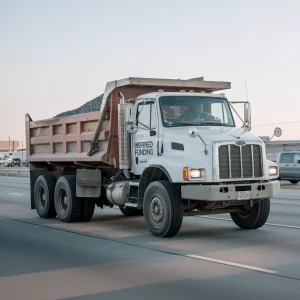
Lenders look at the overall transaction, but you should start with the work plan. A late-model highway day cab pulling dry van freight has different demands than a heavy-spec truck serving construction sites, hauling containers from a port, or moving aggregate with a dump trailer. Horsepower, axle configuration, mileage, maintenance history, and weight requirements can all affect the truck price, resale value, and your operating costs.
Before applying, get clear on your expected weekly revenue, route length, type of trailer, and how often the truck will run. If you have a dispatch relationship, a dedicated customer, or load history, that information can help you make a more confident buying decision. You do not need to have every detail perfected, but you should know how the truck will earn.
It also helps to think beyond the purchase price. A lower-priced day cab with high mileage may come with a smaller payment, yet require repairs sooner. A newer truck can cost more upfront but may offer better reliability, fuel efficiency, and access to certain customer or port requirements. There is no single best choice. The best truck is the one that matches your route, budget, and growth plan.
What It Takes to Finance a Day Cab
Traditional banks often prefer long operating histories, high credit scores, extensive financial records, and large down payments. That can be frustrating when you are a capable driver with real industry experience but a limited credit profile, recent credit challenges, or a new business.
Commercial truck financing can offer a more practical path. Approval decisions may consider the truck itself, the amount financed, your down payment, your experience, and the strength of the full deal instead of relying on one number alone. That matters for buyers who have been turned away by a bank or told to wait until they have more time in business.
At Inspired Funding, programs are built for trucking professionals, including first-time buyers, owner-operators, challenged-credit applicants, and fleet owners. Down payments can start at 10%, and there is no minimum FICO score requirement. Approval is still based on the complete application and deal structure, but imperfect credit does not have to end the conversation.
Your down payment matters, but it is not the only factor
A larger down payment can reduce the amount financed and lower the monthly payment. It may also strengthen an approval request, especially when the truck is older, higher-mileage, or priced near the top of the market. But waiting until you have an oversized cash reserve can keep you from acting on a real business opportunity.
A manageable down payment, combined with the right truck and realistic projected income, can be enough to get moving. Protect your remaining capital. You will need it once the truck is in your name.
Credit challenges do not define your business potential
Credit history matters in commercial financing, but it does not always tell the full story. Medical bills, a past layoff, a divorce, limited personal credit, or a previous business setback can affect a score without reflecting your ability to run profitable routes today.
Be direct about your situation. A specialized financing partner can review options that a conventional lender may not offer. Trying to hide credit issues usually slows down the process. A clear application gives the funding team a better chance to structure a deal around where you are now and where your business is headed.
Prepare for a Faster Approval Process
Fast funding starts with organized information. You do not need a stack of paperwork before asking for a pre-approval, but having the basics ready prevents avoidable delays. Be prepared to provide identification, proof of residence, business details if you have an established company, recent bank statements when requested, and information about the truck you want to purchase.
Once you find a day cab, the lender will typically need the vehicle details, including the year, make, model, VIN, mileage, purchase price, and seller information. Whether you are buying from a dealer or another source, verify the truck’s condition and maintenance records before committing. Financing approval is valuable, but it should never replace a careful equipment inspection.
Pre-approval gives you a stronger position when shopping. Instead of guessing what payment you can handle, you can shop within a workable range and move quickly when the right truck becomes available. That is especially useful in a market where clean, well-maintained commercial trucks can sell fast.
Build a Payment Around Real Operating Costs
Do not judge a financing offer by the monthly payment alone. A longer term may reduce the payment, which can help early cash flow, but it can also increase the total cost paid over time. A shorter term may build equity faster, but it creates a higher monthly obligation. The right choice depends on your revenue consistency, cash reserves, and how long you plan to keep the truck.
Run the numbers based on conservative revenue, not your best month. Account for fuel, insurance, maintenance, tires, taxes, permits, tolls, dispatch fees, trailer costs, and time off the road. If the payment only works when every week is perfect, it is too tight.
This is also where working capital can make a difference. A financed day cab gets you the asset, while operating funds can help cover the gap between taking a load and receiving payment. Keeping those needs separate can make it easier to protect your truck payment and keep serving customers when cash flow is uneven.
Avoid Mistakes That Cost Owner-Operators Money
The fastest way to lose momentum is to buy based on emotion. A truck may look sharp, have the brand you prefer, or be priced just low enough to feel like a deal. But if it is not spec’d for your work, has neglected maintenance, or leaves no room in the budget, it can become expensive fast.
Do not put every dollar into the down payment. Do not assume a low monthly payment means the deal is affordable. And do not wait to ask about financing until after you have committed to a truck you cannot realistically fund. A pre-approval and a clear budget give you more control from the beginning.
If you are moving from a company driving job into ownership, start with a business model you can manage. A dependable day cab on a steady local route can be a stronger foundation than chasing the biggest truck or the highest possible revenue number. Growth comes from consistent profit, not just gross income.
Put the Right Day Cab to Work
A day cab is more than a truck purchase. It can be the equipment that lets you take direct control of your routes, customers, schedule, and earning potential. The right financing plan makes that step more reachable, even if you are building credit, buying your first truck, or expanding a growing fleet.
Bring a realistic work plan, protect your operating cash, and choose equipment that earns its place in your business. When the opportunity is there, a smart financing decision can put you in the driver’s seat of something bigger than your next load.