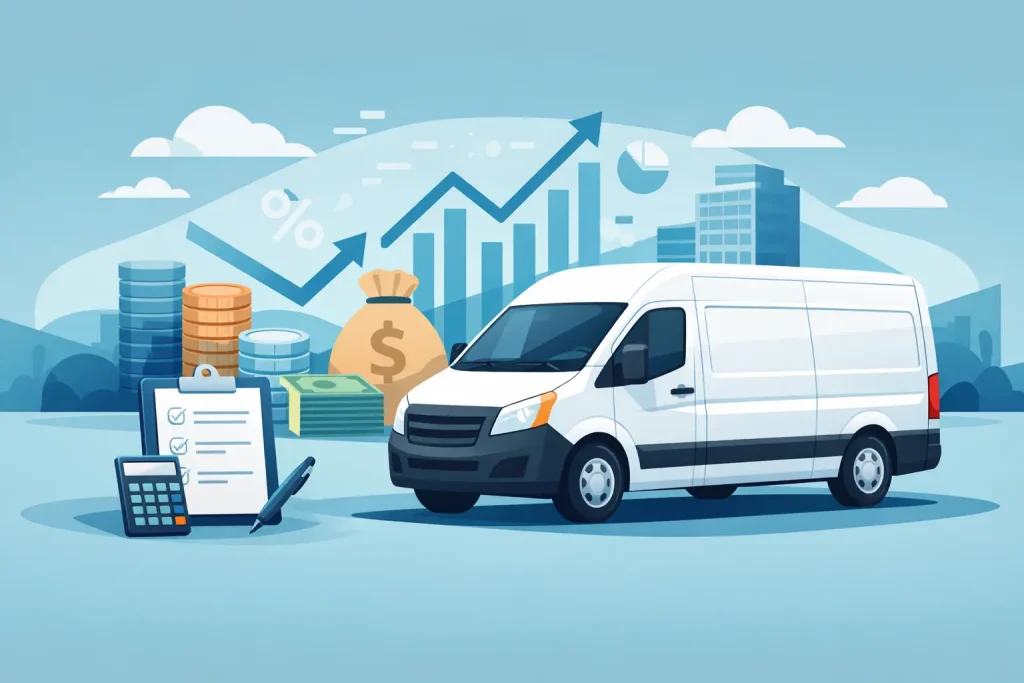
A cargo van can be more than transportation. It can be the asset that lets you accept delivery routes, start a mobile service business, add a crew vehicle, or stop relying on expensive rentals. Learning how to finance a cargo van starts with one simple goal: structure a payment your business can handle while getting the vehicle on the road fast enough to produce income.
Traditional banks can make that harder than it needs to be. They may focus heavily on perfect credit, long business history, and large cash reserves. Commercial vehicle financing is different. The right funding partner looks at the vehicle, your intended use, your business opportunity, and the full strength of your application.
Start With the Van Your Work Actually Requires
Before applying, get clear on what you need the cargo van to do. A local courier may need fuel efficiency, low operating costs, and dependable cargo space. A contractor may need shelving, a ladder rack, towing capacity, or room for tools and materials. A medical delivery operation may need a newer vehicle with strong reliability and lower mileage.
Buying more van than your operation needs can raise your payment, insurance cost, and down payment without increasing revenue. Buying too little can limit the jobs you can take. The right choice is the van that supports your current work and gives you reasonable room to grow.
New cargo vans often come with stronger warranties and fewer immediate maintenance concerns, but they carry a higher purchase price. Used vans can lower the amount financed, though condition and mileage matter. If a lower-priced used van needs major repairs in the first few months, the savings can disappear quickly. Review service records, inspect the vehicle, and build a maintenance cushion into your plan.
Know What Cargo Van Financing Can Cover
Cargo van financing is designed to spread the cost of a commercial vehicle over time. Instead of paying the entire purchase price upfront, you make a down payment and repay the financed balance through monthly payments. Terms, rates, and approval requirements vary based on the vehicle, the amount financed, your credit profile, time in business, and available documentation.
Your financing amount may include more than the sticker price. Depending on the deal, it can account for taxes, title and registration costs, dealer fees, and certain equipment that is installed with the vehicle. Ask for a full buyer’s order or purchase agreement so you know the true amount being financed.
For a business owner, the question is not only, “Can I get approved?” It is also, “Can this van earn enough to cover its payment and operating costs?” Estimate your likely weekly revenue, then account for fuel, insurance, maintenance, parking, tolls, payroll if applicable, and your monthly finance payment. A cargo van should support cash flow, not squeeze it.
How to Finance a Cargo Van With a Clear Plan
The strongest applications are prepared before the lender reviews them. You do not need to have every part of your business perfected, especially if you are a first-time buyer, but you should be able to show how the van fits into a real income plan.
Start by setting a realistic budget. Look at the total amount you can put down, not just the vehicle price. A larger down payment can reduce the financed balance and monthly payment, but it should not drain the working capital you need for insurance, fuel, repairs, permits, and the first few weeks of operation. Many commercial programs offer down payments starting around 10%, which can help qualified buyers preserve more cash for the business.
Next, choose the van and gather the details. Lenders typically need the year, make, model, VIN, mileage, purchase price, and seller information. You can finance through a dealership, private seller, or another qualified source depending on the program. Being dealership-agnostic gives you more control to shop for the vehicle that makes sense instead of settling for the only option on one lot.
Then organize your basic application information. This may include your driver’s license, business details, address history, bank statements, proof of income, and information on existing commercial work. Requirements depend on the transaction. A new business owner may be asked for different documents than an established fleet company with years of revenue.
Finally, apply for a pre-approval before making a nonrefundable commitment. A pre-approval helps you understand your buying power, estimated down payment, and likely payment range. It also lets you negotiate and shop with more confidence.
Credit Matters, But It Is Not the Whole Story
Many buyers assume they cannot finance a cargo van because their credit is limited, damaged, or still rebuilding. That assumption keeps a lot of capable operators from pursuing work that could improve their position.
Credit can affect rate, down payment, and available terms, but commercial lenders may consider more than a credit score. They may evaluate the type of vehicle, the strength of your income, your experience in the industry, the amount you are putting down, and whether the purchase makes business sense. No minimum FICO requirement does not mean every application receives identical terms. It means your opportunity should not end before someone looks at the full picture.
If you have challenged credit, be direct about it. A past issue is easier to address when you can show stability today, whether that means consistent deposits, current work, a solid down payment, or a clear plan for using the van to generate revenue. Avoid applying randomly with multiple lenders without understanding their requirements. A focused application through a commercial funding partner is usually a smarter move.
Compare the Payment, Not Just the Rate
A low rate is valuable, but it is not the only number that matters. Compare the total down payment, monthly payment, loan term, fees, prepayment rules, and amount financed. A longer term may lower the monthly payment, which can help a new operation protect cash flow. The trade-off is that you may pay more over the life of the financing.
Also consider how fast the process can move. A cargo van sitting on a lot does not earn revenue. If you have a delivery contract ready, a new service territory opening, or a customer demand you cannot meet with your current equipment, approval speed has real business value.
Be cautious about offers that look easy but are unclear about the total cost. Ask for the payment schedule and review what happens if you pay early, need to add equipment, or want to replace the van later. Straight answers are part of a good financing relationship.
Protect Your Approval Before Closing
Once you are working toward approval, keep your financial picture steady. Do not take on unnecessary debt, make large unexplained bank withdrawals, or switch jobs without discussing it first. Make sure your driver’s license is current and arrange commercial insurance coverage for the vehicle and its intended use.
Insurance is especially important for cargo vans used in delivery, hauling, contracting, or commercial transportation. Personal auto coverage may not protect your business activity. Get a quote early so the premium does not surprise you after you have already chosen a vehicle.
You should also plan for the day after funding. Set aside money for fuel, basic supplies, branding, shelving, safety equipment, and routine maintenance. Financing gets you the asset, but operational discipline turns that asset into a business.
Turn a Cargo Van Into a Revenue-Producing Asset
The best time to seek financing is when you have a clear reason for the van to exist. Maybe you are leaving company work to build your own delivery operation. Maybe your home service business is turning away calls because one vehicle cannot cover every job. Maybe your fleet has proven demand and needs another unit to serve more customers.
Inspired Funding helps commercial operators pursue cargo van financing with flexible programs, fast approvals, and options built for real business owners, including first-time buyers and applicants with imperfect credit. The goal is not simply to put you in a vehicle. It is to help you put a vehicle to work.
A cargo van payment should represent a move toward greater control over your income, your schedule, and the growth of your operation. Choose the right vehicle, protect your cash flow, bring a clear plan to the application, and take the next step while the opportunity is in front of you.