
One good load can prove the point fast: when you are paying someone else’s truck note through lease payments or giving up margin as a company driver, you are building their business instead of your own. Owner operator truck funding changes that equation. It gives you a practical path to get into a revenue-producing truck without waiting years to save a huge down payment or hoping a traditional bank will understand how trucking income really works.
For a lot of drivers, the goal is not just owning a truck. It is owning control. Control over the loads you take, the schedule you run, the lanes you prefer, and the money you keep. Funding is what turns that move from “someday” into a real business decision.
What owner operator truck funding actually does
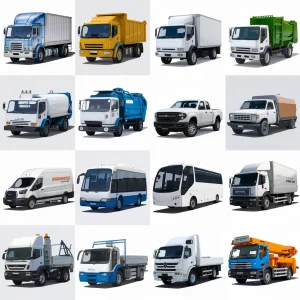
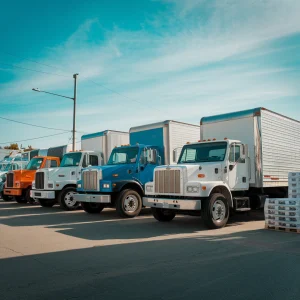
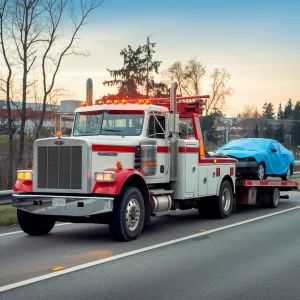
At its core, owner operator truck funding helps independent drivers and small trucking businesses finance the truck or equipment they need to generate revenue. That can mean a semi truck, sleeper cab, day cab, trailer, dump truck, box truck, tow truck, cargo van, or another commercial vehicle tied directly to the work you do.
The big advantage is speed. Instead of tying up all your cash in one purchase, funding lets you spread the cost over time and keep working capital available for fuel, insurance, registration, repairs, permits, and payroll if you are growing beyond a one-truck operation.
That matters more than many first-time buyers expect. A truck is not the only cost of starting or expanding. If you put every dollar into the purchase itself, the first breakdown, slow-paying customer, or insurance bill can put pressure on the whole operation. Strong funding keeps your business moving instead of leaving you asset-rich and cash-poor.
Why traditional lenders often miss the mark
Banks are built to like clean files, long histories, and borrowers who fit standard boxes. Trucking rarely fits standard boxes. Income can be strong but inconsistent on paper. Credit may have taken hits during downtime, equipment issues, medical events, or a rough freight cycle. Some drivers are first-time buyers with experience on the road but not much history as business owners.
That is where specialized commercial vehicle financing stands apart. A lender that understands trucking looks beyond a narrow checklist. They know that a borrower with industry experience, a workable down payment, and a clear earning path may be a better candidate than a spreadsheet alone would suggest.
That does not mean every approval looks the same. Better credit can still open up more favorable terms. A stronger cash position can reduce monthly pressure. Time in business can help. But a borrower does not need a perfect profile to have a real shot at getting funded.
Owner operator truck funding is about leverage, not just access
A lot of drivers think financing is only for people who cannot pay cash. That is usually the wrong frame. Smart funding is often about leverage. If you can secure the truck you need with a manageable down payment, you may be able to keep enough cash in reserve to handle startup costs and protect your business from early surprises.
That reserve matters. New owner-operators often underestimate the gap between getting the truck and getting fully settled into consistent revenue. There are deposits, compliance costs, maintenance items, and periods where receivables lag behind expenses. Keeping liquidity can make the difference between surviving a slow first month and scrambling under pressure.
The right funding structure also helps when growth is the goal. If you are adding another truck to the fleet, preserving cash may allow you to hire a driver, cover onboarding costs, or absorb utilization gaps while that unit starts producing.
Who this kind of funding works best for
First-time buyers
If you have been driving for a company and want to own your first truck, funding can shorten the timeline dramatically. You do not have to wait until you have the full purchase price saved. You can move when the right opportunity shows up, as long as the payment fits your business plan.
Borrowers with challenged credit
A rough credit history does not automatically mean the end of the road. In trucking, plenty of capable operators have credit issues that do not reflect their ability to run profitable loads. Specialized lenders often have programs built for this reality, especially when there is stable income, industry experience, and a workable down payment.
Small fleet owners
When one truck is already producing, adding another can increase revenue fast, but only if the acquisition process does not drag out. Funding helps fleet owners move on equipment opportunities while keeping capital available for operations.
What lenders usually look at
The exact approval formula depends on the lender and the vehicle, but most decisions come down to a few practical questions. Can the borrower reasonably afford the payment? Does the truck or equipment fit the business use? Is there enough experience or revenue strength to support the deal? How much is available for the down payment?
Credit still matters, but it is not the only factor. Time in the industry, type of equipment, age and condition of the truck, monthly income, bank activity, and overall file strength all play a role. That is good news for operators who may not look ideal to a bank but still have a solid business case.
This is also why honesty matters during the application process. If there is a past repo, recent late payments, or a gap in employment, it is better to explain it than hope it gets ignored. A lender focused on trucking is more likely to work through real-world issues when the full picture is clear.
How to improve your chances before you apply
The fastest approvals usually come from borrowers who are organized. Have your basic business and personal information ready. Know what type of truck you need, what you can afford to put down, and what monthly payment range makes sense based on your expected revenue.
It also helps to think beyond approval and ask whether the deal supports the business. A lower down payment can help you get in the truck sooner, but a higher payment may tighten your monthly cash flow. A cheaper truck may seem attractive, but if it comes with reliability problems, downtime can erase the savings. The right deal is not just the one you can get approved for. It is the one that gives you room to operate.
If your credit is improving, say so. If you have recent deposits showing stronger income, highlight that. If you are moving from company driving into a lane or freight type you know well, that experience has value. Good financing partners look at momentum, not just history.
What a straightforward funding process should feel like
Owner operator truck funding should not feel like a maze. A good process starts with a simple application, moves quickly to a pre-approval or conditional approval, and gives you a clear idea of your buying power. From there, the lender should help match the financing structure to the truck and your situation rather than forcing you into a one-size-fits-all box.
That is especially important if you are shopping at different dealerships or buying outside a single seller network. Flexible, dealership-agnostic funding gives you more room to find the right equipment instead of settling for whatever is easiest to finance.
Speed matters here because truck deals do not wait around forever. A clean, responsive process can be the difference between securing the unit you want and losing it to another buyer. That is one reason many borrowers choose industry-focused lenders like Inspired Funding over traditional sources that move too slowly or ask the wrong questions.
The real goal is business ownership
The truck is the asset, but ownership is the bigger move. When your financing is set up right, you are not just buying equipment. You are putting yourself in a position to build equity, increase revenue, and create options. Maybe that means staying a one-truck operation with better margins. Maybe it means adding trailers, expanding into new freight, or growing into a small fleet.
There are trade-offs with any financing decision. Better terms often come with stronger credit or more money down. Older equipment may cost less upfront but carry more risk. Newer trucks may support reliability and branding but increase the monthly payment. The point is not to chase a perfect deal that never comes. The point is to secure a workable one that helps you move forward with confidence.
If you are ready to stop waiting for ideal conditions, owner operator truck funding can be the tool that gets your business on the road now, while you still have the momentum to make the most of it.