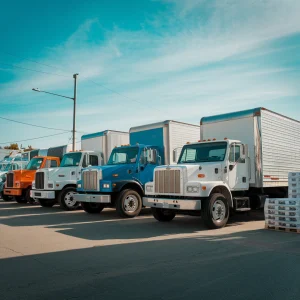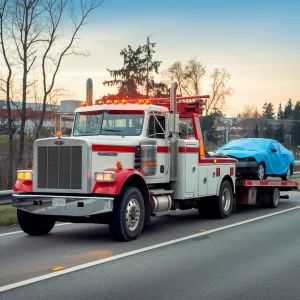

A truck can start earning the day it hits the road. That is why one of the first questions growing carriers and owner-operators ask is, how does commercial truck financing work? The short answer is simple: a lender helps you buy the truck now, and you repay the balance over time through scheduled payments while using the equipment to generate revenue.
That sounds straightforward, but approval, down payment, rate, and loan structure can vary a lot depending on your business, your credit profile, the truck you want, and how the lender evaluates risk. If you are moving from company driving into ownership, replacing an older unit, or adding trucks to a fleet, understanding the financing process can save time and help you make a stronger deal.
How does commercial truck financing work in real life?
Commercial truck financing is built around a revenue-producing asset. Instead of paying the full purchase price upfront, you put money down, finance the remaining amount, and make monthly payments over a set term. In many cases, the truck itself serves as collateral for the financing.
Here is what that means in practice. If you are buying a semi truck for $80,000 and the lender requires 10% down, you would bring $8,000 to the deal. The remaining $72,000, plus any applicable fees, would be financed. Your payment then depends on the term length, the rate, and the overall structure of the contract.
This is different from consumer auto financing in one key way: lenders are not just looking at whether you can afford a vehicle for personal use. They are looking at whether the truck can support business income. That is why commercial lenders often evaluate your time in business, the type of equipment, your operating plan, and your cash flow potential alongside your credit.
What lenders look at before approving truck financing
The best way to think about underwriting is this: lenders want to understand both the borrower and the truck. A stronger file usually makes approval easier and may improve terms, but there is no single formula that fits every applicant.
Credit history matters, but it is not the whole story. Some borrowers have strong income and a workable business plan even if their score is lower than what a traditional bank prefers. Specialized truck financing companies often look beyond a minimum score and pay closer attention to recent payment history, open collections, bankruptcies, or signs that credit is improving.
The truck itself also matters. Newer units and well-maintained used trucks are often easier to finance than older, high-mileage equipment. The lender wants confidence that the asset has usable life left and can hold enough value to support the loan.
Then there is the business side. A first-time buyer may be asked for a commercial driver’s license, proof of income, bank statements, or evidence of trucking experience. An established carrier may need to show time in business, revenues, existing fleet performance, or current obligations. If you have contracts lined up or a clear plan for how the truck will be deployed, that can strengthen the file too.
Down payments, rates, and terms
Most borrowers focus on the monthly payment first, which makes sense, but the payment is only one part of the deal. Down payment, interest rate, and term length all work together.
A lower down payment helps you preserve cash, which is important when you also need money for insurance, tags, maintenance reserves, and startup costs. But lower down payments can increase the financed amount and raise the monthly payment. In some cases, a larger down payment can improve the approval odds or reduce the total cost over time.
Rates depend on risk. A borrower with stronger credit, more time in business, and a clean file may qualify for more favorable pricing. A first-time buyer, startup operation, or challenged-credit applicant may still get approved, but at a higher rate or with more money down. That is the trade-off. Access to funding is valuable, especially when the truck can start producing income quickly, but the structure has to make business sense.
Terms commonly stretch across several years. A longer term can lower the monthly payment, which helps cash flow. The downside is that you may pay more over the life of the financing. A shorter term usually means higher monthly payments but less total interest. The right choice depends on your revenue, operating costs, and how aggressively you want to build equity in the truck.
How the approval process usually works
For most trucking businesses, speed matters. You may have found the right truck, need to replace a down unit, or want to act before a deal disappears. Commercial truck financing is often designed to move faster than a traditional bank process.
The first step is usually an application. This gives the lender a snapshot of who you are, what kind of equipment you need, and what your business profile looks like. From there, the lender may request supporting documents such as bank statements, a driver’s license, invoices, settlement statements, proof of residence, or business formation documents.
Next comes underwriting. This is where the lender reviews your file, evaluates the truck, and decides whether to issue an approval. Sometimes that approval comes with conditions, such as proof of down payment, updated insurance information, or additional documents.
Once the truck is confirmed and the conditions are satisfied, the financing documents are prepared. After signing, funds are sent so the purchase can close. In plain terms, the process is application, review, approval, documentation, and funding.
Why borrowers get declined or approved with harder profiles
One reason people ask how does commercial truck financing work is because they assume a past credit issue means the answer is no. That is not always true.
Traditional lenders often have tighter rules that can shut out first-time buyers, startups, or applicants with bruised credit. Specialized lenders tend to look at the full picture. If you have industry experience, money down, stable deposits, or a solid reason for the purchase, there may still be a path forward.
That does not mean every file gets approved. Recent repossessions, unresolved major derogatory items, thin income documentation, or trying to finance the wrong truck can all create problems. But many borrowers who have been turned away elsewhere are not actually unfinanceable. They just need a lender that understands trucking and structures deals around real operating conditions.
Financing new versus used commercial trucks
New trucks often qualify for longer terms and can be attractive because of reliability and warranty coverage. The downside is the higher purchase price. If cash flow is tight, a newer used truck may be the better business decision.
Used truck financing is common and can be a strong move when the unit has reasonable age, mileage, and condition. The right used truck can lower your upfront cost and get you into ownership faster. The trade-off is that older equipment may face stricter guidelines, shorter terms, or more scrutiny from the lender.
This is where experience matters. A truck that looks like a bargain can become expensive if it is hard to finance or likely to spend too much time in the shop. The goal is not just to get approved. The goal is to finance equipment that supports revenue and stays productive.
How to improve your chances before you apply
A stronger application usually starts before the paperwork. If possible, clean up avoidable credit issues, keep bank deposits consistent, and be ready to explain your business plan clearly. If you are a first-time buyer, show the lender why you are ready to operate profitably, not just why you want to own a truck.
It also helps to choose equipment that fits your profile. Going after a realistic purchase often produces a better result than stretching for a truck that creates too much risk on paper. Have your documents ready, know how much you can put down, and understand your budget beyond the truck payment.
For borrowers who want a lender that moves quickly and works with a wide range of credit backgrounds, companies like Inspired Funding are built around that exact need. The right financing partner does more than quote numbers. They help you turn a truck into a business asset.
The bigger picture behind truck financing
Commercial truck financing is not just about buying equipment. It is about taking control of income, building business equity, and creating room to grow. For one operator, that may mean stepping out of a company seat and into ownership. For another, it may mean adding another unit, another driver, and another stream of revenue.
The smartest move is not always the cheapest rate or the longest term. It is the financing structure that fits your stage of business, protects cash flow, and gets the right truck working for you without unnecessary delays. When the numbers make sense and the truck is ready to earn, financing becomes more than a loan. It becomes a practical step toward owning more of your future.