A lot of trucking businesses never get off the ground because the first truck feels out of reach. That is exactly why semi truck financing for startups matters. If you are ready to stop driving for someone else, start your own authority, or add your first revenue-producing unit, the right financing can move you from planning to hauling much faster than waiting to save the full purchase price.
The biggest mistake new buyers make is assuming they need perfect credit, years in business, or a huge down payment to qualify. In trucking, that is often not true. Startup financing exists because lenders that understand commercial vehicles know one thing very well: the truck is not just an expense. It is the asset that creates income.
Why startup truck financing looks different
Traditional banks often look at a startup and see risk first. No operating history, limited business financials, and not much collateral outside the truck can make a new applicant hard to approve through a standard business loan process.
Commercial vehicle financing works differently. It is built around the equipment, the income potential of that equipment, and the borrower’s ability to put the truck to work. That opens the door for first-time buyers, owner-operators making the jump into ownership, and newer companies that do not fit a bank’s box.
That does not mean every deal gets approved or every borrower gets the same terms. It means the evaluation is usually more practical. A lender may care about your down payment, your recent payment history, the type of truck you want, your experience in trucking, and whether the deal makes sense for your business model.
Semi truck financing for startups: what lenders usually look at
If you are applying as a startup, expect the lender to focus on a few core areas. Credit matters, but it is rarely the whole story. Some lenders are willing to work with challenged credit if the rest of the file is strong enough.
Your down payment is one of the biggest factors. A stronger down payment lowers the lender’s risk and can improve your approval odds. Startup buyers are often surprised to learn that they may not need 20 percent or 30 percent down. In some cases, programs start much lower, which can make the difference between waiting another year and getting on the road now.
The truck itself matters too. Age, mileage, condition, and vehicle type all affect financing. A clean, income-ready unit from a reputable seller is typically easier to finance than an older truck with heavy mileage and questionable maintenance history. Newer is not always better if the payment becomes too high for your lane strategy, but the equipment still has to make sense.
Experience also helps. If you have years behind the wheel, that can support your application even if your business is brand new. Lenders understand the difference between a true beginner and an experienced driver starting an independent operation.
What startup borrowers can realistically expect
The best way to approach financing is with clear expectations. Startup deals can absolutely get approved, but terms vary based on risk. If your credit is strong, your down payment is solid, and the truck fits the deal, you are more likely to see better monthly payments and more favorable structures.
If your credit is bruised or your cash is tight, approval may still be possible, but you may need to be flexible. That could mean a newer truck with better collateral value, a larger down payment, or a different purchase price than you originally planned.
This is where many startups win or lose. Buyers often shop for the truck first and financing second. A smarter move is to get pre-qualified early so you know your real range. That way, you are shopping with a number, not a guess.
Choosing the right truck for your first financing deal
Your first truck does not need to be your forever truck. It needs to be reliable, financeable, and able to support profitable work. That sounds simple, but a lot of new owners let emotion get in the way and chase a truck that looks impressive rather than one that fits the business.
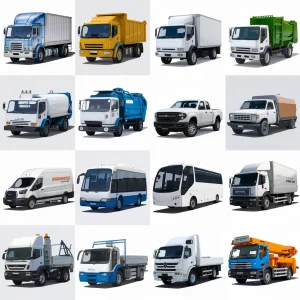
A startup hauling regional freight has different needs than an owner-operator running long haul. A sleeper may be worth the extra cost for one business and unnecessary overhead for another. A lower purchase price can help cash flow, but if the truck is constantly in the shop, the savings disappear fast.
This is where a lender that knows trucking can be valuable. The goal is not just to approve a loan. The goal is to help you finance an asset that gives you a real shot at operating profitably. That means looking at the whole picture, not just the sticker price.
How the approval process usually works
Startup buyers often expect financing to be slow and complicated. It does not have to be. In many cases, the process starts with a short application and a review of basic information like your credit profile, time in industry, down payment, and the truck you want to buy.
From there, the lender may request supporting documents. These can include a driver’s license, bank statements, proof of income, business formation documents, or invoices for the truck. The exact requirements depend on the structure of the deal and the strength of the application.
Once the lender has what they need, the deal can move quickly. That speed matters in trucking because the right truck does not stay available forever. Fast approvals help startups compete for solid equipment and get into service sooner.
The trade-offs every startup should understand
There is no one perfect financing structure for every new trucking business. Lower down payment programs are attractive because they preserve cash, but they can also mean higher monthly payments. A longer term can reduce monthly pressure, but it may increase total cost over time.
Buying a cheaper truck can lower the amount financed, yet it may raise maintenance risk. Financing a newer truck can improve reliability, but the payment may be higher than what your current load volume can comfortably support.
That is why the right deal is not always the one with the lowest upfront requirement. It is the one your business can carry while still leaving room for fuel, insurance, permits, repairs, and working capital. Startups fail when they focus only on getting approved and ignore what happens after the first payment is due.
Why bank denials are not the end of the road
A bank decline does not automatically mean you are not financeable. It often means the bank was judging your startup by rules that do not fit the trucking business. Commercial vehicle lenders tend to understand that many strong operators are first-time buyers, self-employed applicants, or borrowers with credit challenges tied to real-life setbacks.
That matters because the trucking industry is full of people who know how to generate revenue but do not check every traditional lending box. A financing partner with flexible underwriting can often find a path where a conventional lender simply says no.
For startup owners, that difference can be huge. It turns financing from a barrier into a practical business tool.
Building a stronger application before you apply
If you want the best shot at approval, come prepared. Know how much you can put down and be honest about your budget. Have a clear plan for the type of work you intend to run. Make sure your bank activity reflects stability as much as possible, and avoid major surprises on your credit if you can help it.
It also helps to stay realistic. A first truck that gets you earning is often better than holding out for a dream spec that strains the deal. As revenue grows, you can trade up, refinance, or add units that fit your next stage of growth.
This is one reason companies like Inspired Funding focus on practical approvals. Startup buyers do not need a lecture about why ownership is hard. They need a path to an income-producing truck that makes business sense now.
Start with the truck, but think like an owner
Semi truck financing for startups is really about more than buying equipment. It is about taking control of your income, building equity in a business asset, and creating a foundation you can grow from. The financing is the bridge, not the destination.
If you approach the process with the right expectations, the right truck, and the right funding partner, startup status does not have to hold you back. Your first truck should put you in position to earn, learn, and build. That is how small operations turn into real trucking businesses.